



 15.33°C Kathmandu

Tue, Oct 13, 2026
Columns
It’s time to give domestic workers the dignity they’ve earned
At the current pace of progress, it could take another 85 years before all domestic workers enjoy adequate labour protection. That is far too long.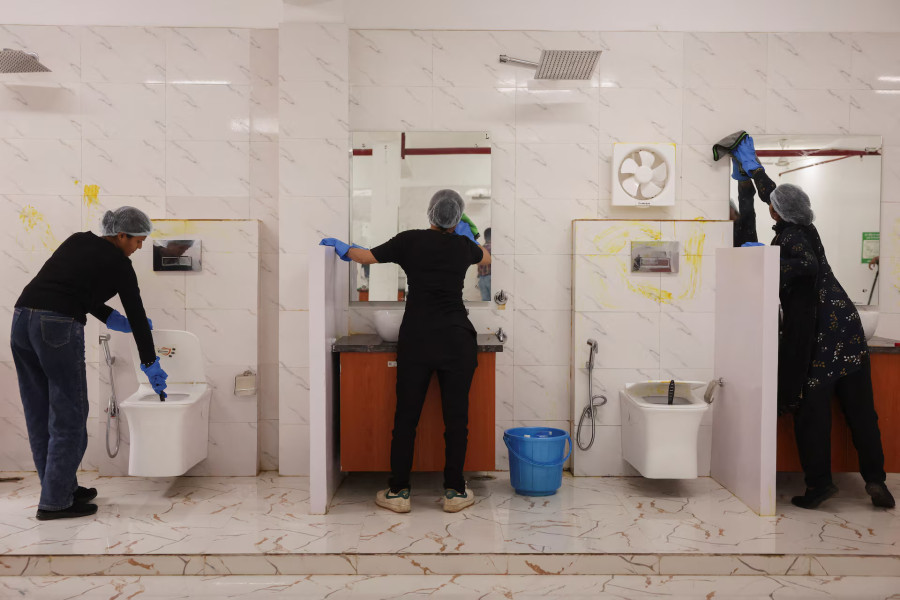
bookmark
Numan Özcan
Published at : June 15, 2026
Updated at : June 15, 2026 21:56
15 years ago, on a sunny June day in Geneva, millions of domestic workers around the world gained the recognition they had long deserved.
The adoption of the Domestic Workers Convention, 2011 (No. 189), by the International Labour Conference was a landmark moment. For the first time, domestic work was recognised as work like any other, deserving of the same rights, protections and dignity as other forms of employment.
Domestic workers play a critical role in sustaining families, societies and economies. They clean homes, cook meals, guard households and tend gardens. They care for children, elders and persons with disabilities, enabling millions of others to participate in the labour market and community life.
Yet, despite their essential contribution, domestic workers remain among the most undervalued, under-protected and under-represented ones in the world. The vast majority are women, many working in informal arrangements with limited access to labour rights, social protection and safe working conditions.
The Domestic Workers Convention—an international labour standard— created the foundation for change when it recognised domestic workers as workers, entitled to the same rights and protections as other workers.
In the 15 years since its adoption, progress has been made. By 2021, there had been a 15 percentage-point increase in the number of domestic workers covered by labour laws worldwide. More countries have extended legal protections, improved working conditions and strengthened institutions responsible for enforcing workers’ rights.
But progress has not reached everyone.
Millions of domestic workers continue to face long working hours, low wages, unsafe conditions and exclusion from social protection systems. The largely informal nature of domestic work leaves many workers vulnerable to workplace injuries, illness and poverty in old age.
For migrant domestic workers, these challenges are often compounded by restrictive migration policies, recruitment costs, language barriers, dependence on employers and fear of losing their legal status.
Today, protecting domestic workers is more urgent than ever. Demand for domestic work and care services is growing rapidly due to population ageing, changing family structures and increased participation of women in the labour force. At the same time, digital transformation, climate change and conflict are reshaping labour markets and creating new vulnerabilities. Without decisive action, more than 75 million domestic workers worldwide risk facing worsening recruitment and working conditions, as well as increased exposure to child labour and forced labour.
Nepal has made important progress towards recognising domestic workers. The Labour Act's recognition of domestic work as a service of a special nature, the Civil Code's provisions on minimum age, and mandated education and employer obligations, the role of local governments in registration, and recent coverage of informal workers in social security provide a foundation for further alignment with ILO Convention No. 189.
These reforms have laid the groundwork for greater protection and recognition of domestic workers as workers in Nepal. Yet recent analysis of Nepal’s legal framework against the standards of the Domestic Workers Convention shows that significant gaps remain in Nepal. Many domestic workers still lack effective access to labour protections, social security, occupational safety and health measures, written contracts and violence and harassment grievance mechanisms. Minimum wage coverage remains the most significant gap.
Domestic workers are often employed in informal arrangements that leave them vulnerable to exploitation and make it difficult to enforce their rights. Concerns also persist around child domestic labour, barriers to collective bargaining, caste-based discrimination and the heightened vulnerabilities faced by migrant domestic workers.
These findings highlight an important reality: Recognition is an important first step, but it must be matched by implementation, enforcement and reforms that ensure domestic workers enjoy the same rights and protections as all other workers. The next phase of reform should, therefore, move from recognition to enforceable rights with concrete plans and actions.
While there has been progress, the question now is how we accelerate change over the next 15years.
For Nepal, the path forward is clear. Domestic workers must be fully recognised and protected through a comprehensive legal and policy framework that reflects the realities of their work and upholds their rights. This includes clear and consistent legal definitions, written contracts registered at the local level, equal treatment regarding minimum wages, working hours, overtime, rest and leave, and effective access to social security, maternity protection, and occupational safety and health.
Special safeguards are needed for child domestic workers, live-in workers and Nepali migrant domestic workers, including repatriation rights, protections against document retention, and stronger monitoring mechanisms. Equally important is ensuring that domestic workers can organise, be represented and participate meaningfully in social dialogue. These measures are not merely legal reforms; they are investments in dignity, equality and decent work.
Ratification of the Domestic Workers Convention remains central to advancing these goals. But ratification is not the end of the journey. It is a democratic commitment, a promise that domestic workers belong within the framework of rights, representation and social justice.
That is why this anniversary is a call to action. At the current pace of progress, it could take another 85 years before all domestic workers worldwide enjoy adequate labour protection. That is far too long.
Domestic workers are the bedrock of our economies and provide essential care services that enable hundreds of millions of women and men to participate in work, family and community life. We must not make them wait decades longer for the rights and protections they deserve.
Now is the time to ensure that domestic workers themselves enjoy a firm foundation of decent work.
Our collective well-being depends on it.
Numan Özcan
Özcan is the country director of the International Labour Organisation in Nepal.




Most Read from Columns

Before you take credit for Khula Manch, read its history
Shah went to the UN to speak for Nepal, then left before he could make the most of it

Lesson learned after the death of Ronaldo
What Lubra can teach Nepal about climate-induced migration and resettlement

Bhotekoshi flood wasn’t a freak event. It’s the Himalaya doing what it does
Editor's Picks

Constitutional Bench caught in seniority, ‘pick and choose’ dispute

A Dom boy’s long road to becoming a doctor

From blankets to handmade dolls, two foreign women bring comfort to flood survivors

News Analysis: When institutional defence exposes institutional fault lines

It’s a bird … it’s a plane … it’s the Indian ambassador’s farewell tweets
E-PAPER | October 13, 2026

×