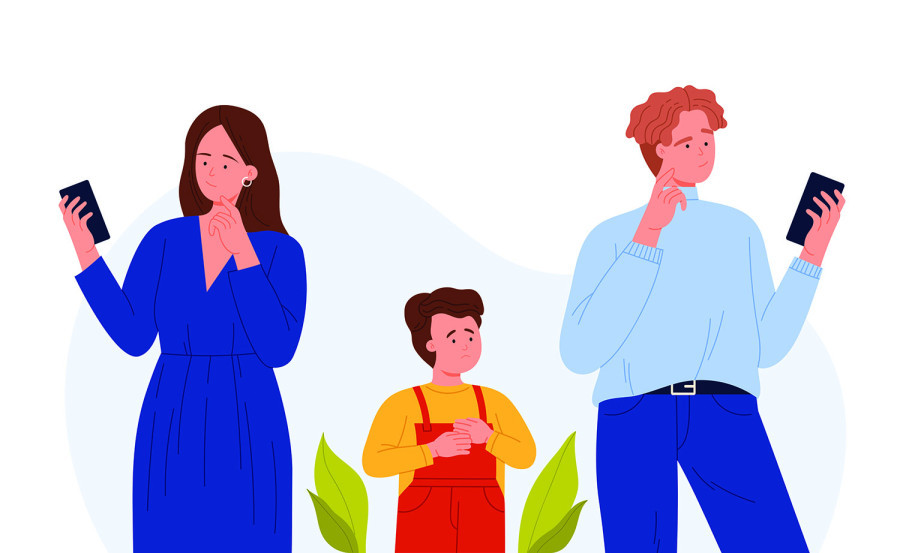
Do we remember Punch? The Japanese Macaque holding to its plushie that compensated for its mother’s warmth and presence? It is the reality of the majority of children whose upbringing revolves around the absence of their parents.
Parenting styles are the primary forces that shape a child’s development from birth, be it physical, social, or emotional.
Currently, time is becoming something parents constantly try to make up for. This is where ‘Materialistic Parenting’ emerges. With this, parental warmth and care are calculated by the gifts they provide to their children, inviting risks to their attachment styles, emotional regulation, and personality development.
Priyanka Chaguthi is a certified parenting coach and the founder/ consultant at Vygotsky Child Parent Consulting and Learning Centre. She elaborates further on the subject.
What does materialistic parenting mean? What are the psychological reasons parents use this style?
Materialistic parenting is a parenting pattern in which love, care, or success is primarily expressed through gifts, money, gadgets, branded items, or the constant fulfillment of children’s wants, rather than through emotional connection and presence.
In many cases, parents are not intentionally trying to “spoil” their children. This style often comes from deeper emotional experiences and social pressures. Some parents may want to compensate for the deprivation they experienced in childhood. Others may feel guilty about having limited time with their children due to work pressure or migration. There is also increasing social comparison today, in which parenting is often measured by what one can provide materially.
For many emotionally exhausted parents, buying something for a child can feel easier than emotionally engaging with them. A gift takes minutes, but emotional presence requires patience, regulation, and connection.
What can be the short-term and long-term psychological effects on children growing up in materialistic homes?
In the short term, children may appear happy because their wants are frequently fulfilled. However, when material fulfilment consistently replaces emotional connection, psychological effects can emerge over time.
Short-term effects may include low frustration tolerance, dependency on rewards, entitlement behaviours, and difficulty handling disappointment.
In the long term, children may develop a constant “never enough” mindset, difficulty regulating emotions, validation-seeking behaviour, or confusion between love and material giving. Some may struggle to build secure relationships because they were emotionally provided for materially, but not always relationally.
Children need more than resources. They need emotional safety, co-regulation, boundaries, and meaningful connections to develop resilience and a healthy sense of self.
Can gifts or material rewards substitute emotional presence? How does it impact the parent-child attachment bond?
Gifts can create happiness and memories, but they cannot substitute emotional presence.
A child’s attachment security develops when they feel emotionally seen, heard, comforted, and connected to. When material rewards repeatedly replace emotional availability, children may begin associating love with transactions rather than relationships. Sometimes children silently internalise the feeling that, while their material needs are being met, they are not fully understood emotionally. Over time, this can affect how they seek validation, intimacy, and emotional security in future relationships.
Parenting coach Priyanka Chaguthi Photo: Courtesy of Priyanka Chaguthi
Is materialistic parenting evident across families of different socioeconomic status?
Yes, materialistic parenting exists across different socioeconomic groups, although it may look different in each context. In economically strong families, it may manifest as overindulgence, excessive gifting, or achievement-based rewards. In middle- or lower-income households, it may emerge through overcompensation, where parents try to ensure their children never experience the hardships they themselves faced. The issue is therefore not simply about wealth. It is more about the belief that providing material things is enough to fulfil a child’s emotional needs.
What practical steps can parents take to shift toward more values-based parenting?
Values-based parenting begins when parents become intentional about what they want children to remember emotionally, not just materially. Parents can start by prioritising small moments of connection in daily life, creating non-purchase-based family rituals, and encouraging gratitude and a sense of responsibility.
It is also important to allow children to experience healthy limits and disappointment instead of constantly rescuing them from discomfort. Children may forget many gifts over time, but they remember whether they felt emotionally safe, respected, and connected at home.
How do you respond to parents who say, “I just want my kids to have what I didn’t”?
This statement usually comes from love, sacrifice, and unresolved pain. Most parents genuinely want to protect their children from hardship. But children do not only need what we lack materially; they also need what many adults themselves may not have received emotionally: emotional safety, attunement, healthy boundaries, and unconditional connection.
Providing opportunities for children is important. The concern begins when comfort replaces character-building or when abundance replaces emotional attachment. Sometimes the greatest gift parents can offer is resilience, emotional intelligence, and a secure relationship.
What are the things you believe more parents should understand about this topic?
I believe more parents need to understand that emotional deprivation can exist even in financially stable homes. Presence is psychologically more nourishing than presents.
Children’s deepest developmental needs are relational, not material. Boundaries do not reduce love; they strengthen security. Overprotection and overprovision can unintentionally weaken resilience and gratitude. We are raising children in a highly consumer-driven world, which means parenting today requires more conscious reflection. Parents may need to ask themselves: “Am I only providing things for my child, or am I also building emotional connection, resilience, and inner security?”
At the end of the day, children may not remember every toy or expensive experience, but they will remember whether home felt emotionally safe.




 23.24°C Kathmandu