



 21.42°C Kathmandu

Mon, Oct 12, 2026
Culture & Lifestyle
‘Paral Ko Aago’: Love, conflict return in a reimagined classic
The 2026 adaptation of the story written by Guru Prasad Mainali follows a fractured marriage, asking what remains after anger has done its damage.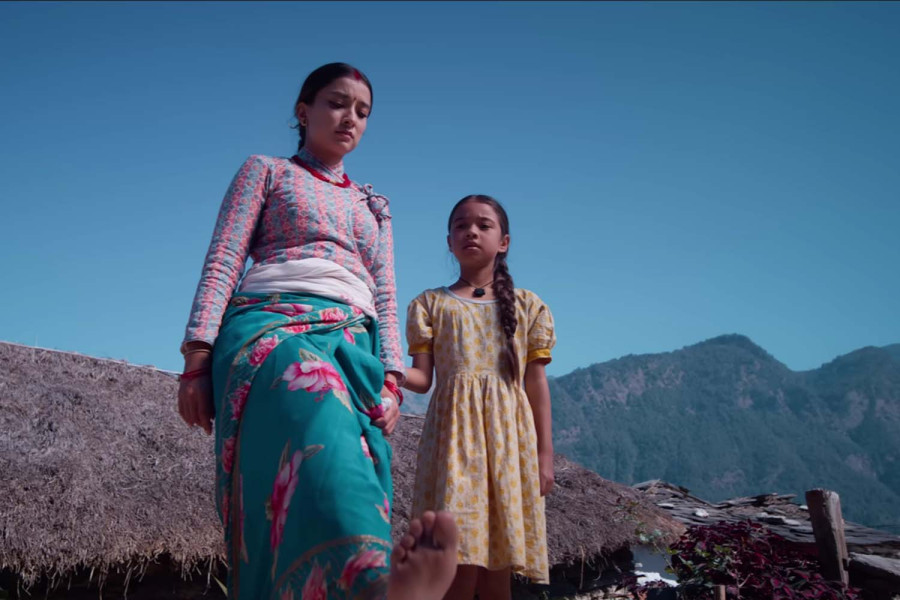
bookmark![]()
Screengrab Via YouTube ![]()
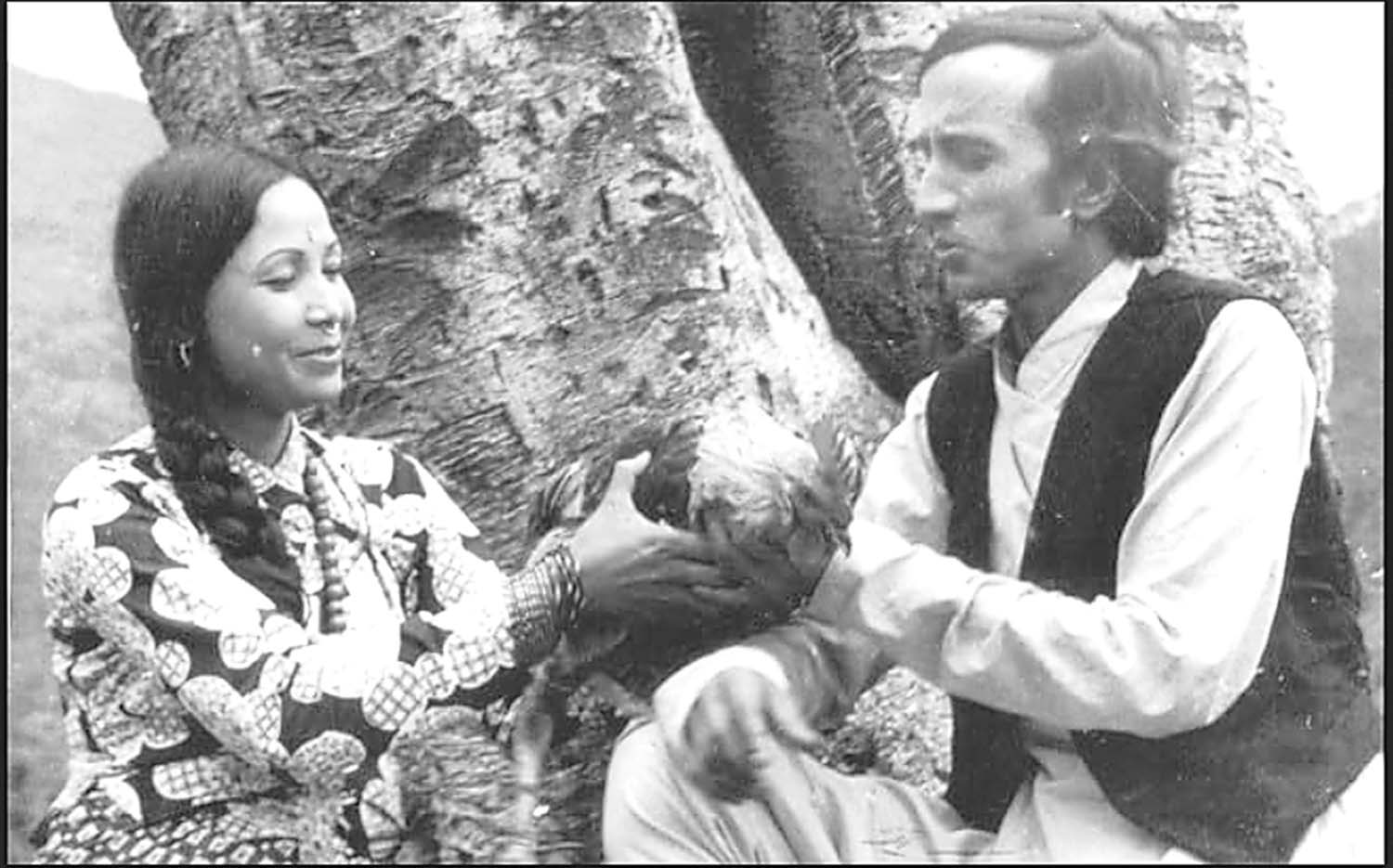
The inclusion of Shanti Thatal in the music team feels like a thoughtful homage to the original ‘Paral Ko Aago’, released in 1978. IMDB ![]()
Skanda Swar
Published at : April 29, 2026
Updated at : April 29, 2026 09:52
Kathmandu
‘Paral Ko Aago’ (2026) holds on to the emotional core that made the original story endure, while shaping itself into a distinctly modern Nepali drama.
Some stories linger like unfinished conversations. Guru Prasad Mainali’s ‘Paral Ko Aago’ is one of them. First adapted into a black-and-white film in 1978, it has stayed alive in memory for decades. 50 years later, Sunar takes on the difficult task of retelling a story that already feels deeply familiar.
Inspired by Mainali’s enduring tale, the 2026 ‘Paral Ko Aago’ is a melodrama of love and marriage. The film follows the lives of a couple experiencing love and despair, arguments and reconciliation—themes common across the globe.
The storyline will resonate with Mainali’s readers. It centres on a husband and wife whose relationship unravels when the husband, drunk, turns abusive. Unable to endure it any longer, the wife leaves in search of some respite. Filled with regret, the husband sets out to find her, his journey marked by inner conflict and moments of introspection.

What’s interesting about this remake is its structure. While the 1978 original leaned on the conservative moral codes of its time, Sunar’s film places a stronger emphasis on the human and romantic dimensions of the story. At times, it feels less like a morality tale and more like an exploration of what love demands—and what it takes to survive it.
The best feature of this film is its cast. Nepali folk singer-songwriter and actor Prakash Saput takes on the role of the unideal husband. The film shows Saput’s character angry with his wife for coming home late, while the neighbours try to settle the dispute, a scene that immediately sets a realistic rural tone. Saput’s performance is on par with his cult-like fame and popularity in Nepali music—he is convincingly the mountain man, harsh and gentle when needed.
Suhana Thapa as Gauthali is the heart of the film. As a woman pressed to the brink, but unable to give up the hope for love, she is nuanced and mesmerising. There are close-ups of her face throughout, and Thapa communicates so much with a simple expression. She is the best part of the film, and the scenes after she leaves home are truly heartfelt. Saugat Malla’s character, Juthe Damai, is another standout performance.
One of the most consistent supporting actors in Nepali cinema, Malla brings both depth and humanity to a role that could easily have been reduced to comic relief. His presence anchors the film within the rhythms of village life, giving it a sense of authenticity and warmth.
The film features cinematography by Sankalpa Bhujel, editing by Milan Shrestha, choreography by Ramji Lamichhane, and music by Shanti Thatal, Satya Swaroop, and Prakash Saput. The inclusion of Shanti Thatal in the music team feels like a thoughtful homage to the original—she composed the iconic 1978 soundtrack. Here, the music carries a distinctly folk sensibility, layered with modern arrangements that suit the film’s tone. The songs, all featuring Saput’s vocals, are striking.
The depiction of rural India—its traditional homes and everyday rhythms—feels lived-in and authentic, lending the film an aesthetic that is both warm and inviting.
The pacing is generally skilful over the 130-minute run-time, although the film slows at its centre. Some scenes drag, and on occasion, the script is a bit heavy-handed with its sentiment. ‘Paral Ko Aago’ 2026 is described as a film of laughter and tears, passion and pain, one that captures the fragile moments that can erupt like a powder keg, but also how love can heal and be victorious. In most ways, it is—but a leaner edit would have heightened the effect.
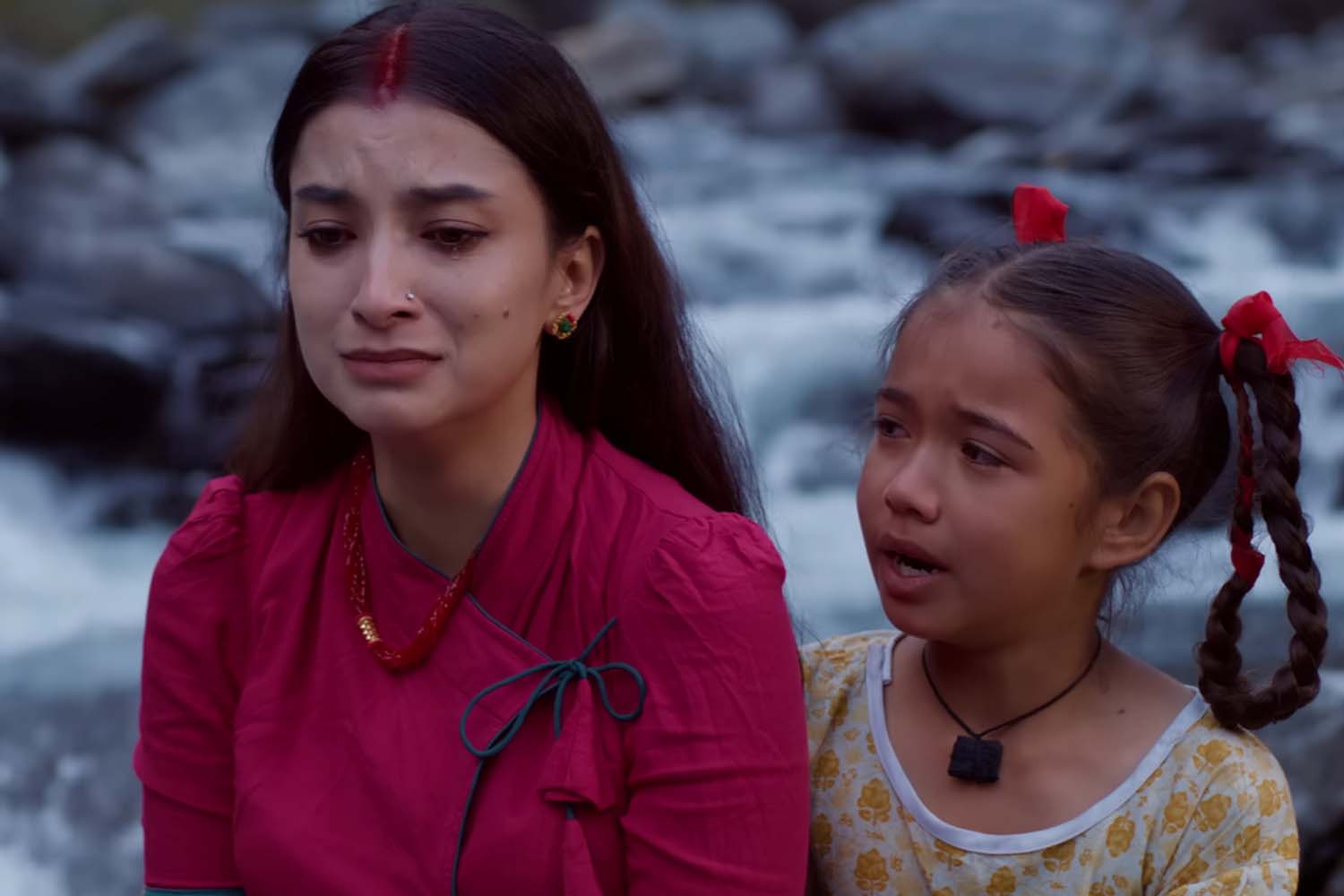
One of the major challenges in this version of the adaptation was retelling a story rooted in rural Nepali patriarchy for a contemporary audience while remaining faithful to its setting without being irresponsible. Sunar seems aware of this balance. The husband’s actions are neither romanticised nor excused; they are shown for what they are—destructive and deeply troubling. The wife’s departure, meanwhile, is framed with dignity. And when reconciliation comes, it feels less like submission and more like something reached through understanding.
‘Paral Ko Aago’ 2026 is a heartfelt, accomplished and affecting film that adapts its literary original without sacrificing its own personality. It is not a flawless film—it is sometimes overpaced, and its script could have fleshed out some of its more nuanced perspectives—but it is a movie made with a good heart.
In a Nepali film landscape hungry for stories that go beyond action and comedy, ‘Paral Ko Aago’ is a welcome reminder that simple human stories —told well—still burn the brightest.
____________
Paral Ko Aago
Director: Laxman Sunwar
Cast: Prakash Saput, Suhana Thapa, Saugat Malla, Srijana Adhikari, Shankar Acharya, Kishor Bhandari, Jack Shrestha
Duration: 120 minutes
Year: 2026
Language: Nepali
Available on: Nearby Cinemas





Most Read from Culture & Lifestyle

It’s a bird … it’s a plane … it’s the Indian ambassador’s farewell tweets

‘Tenzing’ puts the Sherpa at the centre of the Everest story
How should Nepal navigate a world in reorder? Rajib Upadhya on geopolitics and foreign policy

How Anup Poudel took Nepali cinema to Cannes

A Nepali photographer rediscovers Calcutta after decades
Editor's Picks

Constitutional Bench caught in seniority, ‘pick and choose’ dispute

A Dom boy’s long road to becoming a doctor

From blankets to handmade dolls, two foreign women bring comfort to flood survivors

News Analysis: When institutional defence exposes institutional fault lines
It’s a bird … it’s a plane … it’s the Indian ambassador’s farewell tweets
E-PAPER | October 12, 2026

×