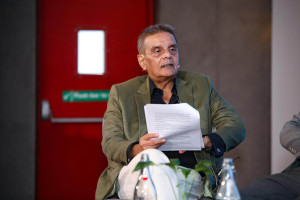
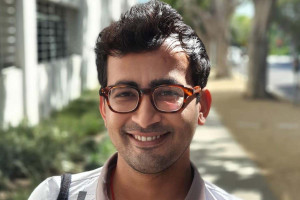
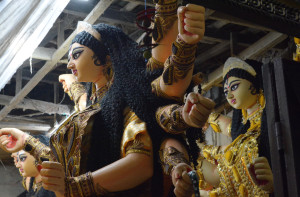
As tattoo culture grows and stigma fades, the International Nepal Tattoo Convention highlights global artistry while also drawing attention to the declining presence of indigenous tattoo traditions. Many cultures view tattoos as symbols of fortune that guide them into the afterlife. Photos: Courtesy of Bijay Koju and Nikhil Sunuwar
Across the globe, tattoo artistry has served as a medium for conveying personal expressions, emotions, and heritage. This body art has also been prevalent in Nepal, and the hype around it is growing.
While tattoos are now widely celebrated, they have not always been respected as an art form or as a profession. A common misconception that still persists is that people with tattoos are seen as rebellious and unprofessional, often subject to vilification. This social stigma has long associated tattoos with “goons,” substance abuse, and even criminality.
Omprakash Gurung, one of the directors of the recently concluded ‘13th International Nepal Tattoo Convention’, has witnessed different perceptions of tattoos.
“Earlier, when people came to get tattooed, they used to fear that their parents would find out, but now clients attend the appointment with their parents,” says Gurung, describing the change in outlook.
According to him, some of the industry’s main concerns in earlier years were poor hygiene and the lack of proper instruments for practice. Now, the tattoo industry is evolving, with improved technology and greater public awareness of getting and caring for tattoos.
At the Convention itself, one of the artists, Mira Hector from Malaysia, admitted that one way to tackle this misconception is to put a smile on her face and be friendly so that people are not intimidated by her. However, she thinks blame cannot be placed on those who have never seen tattoos before.
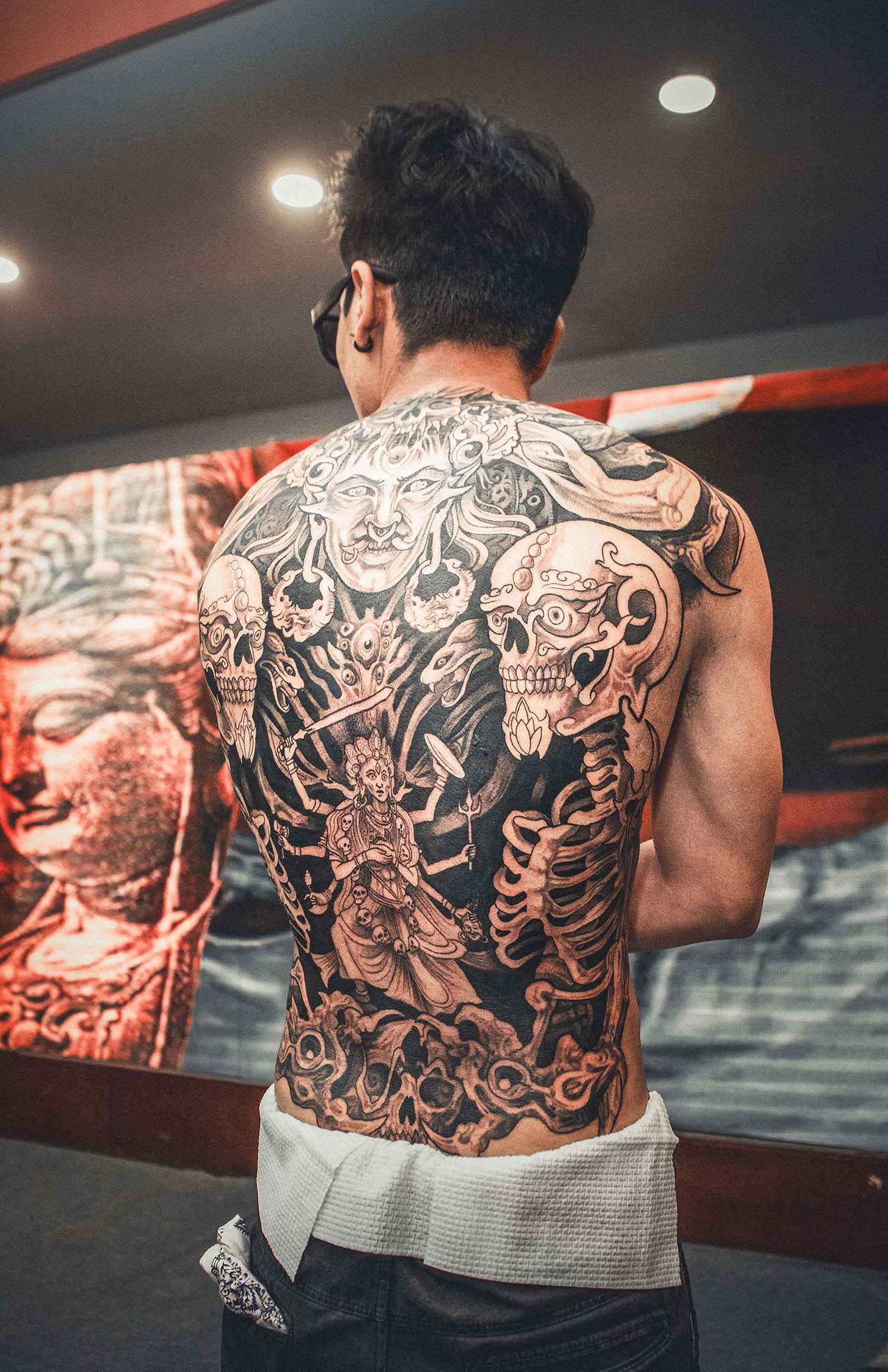
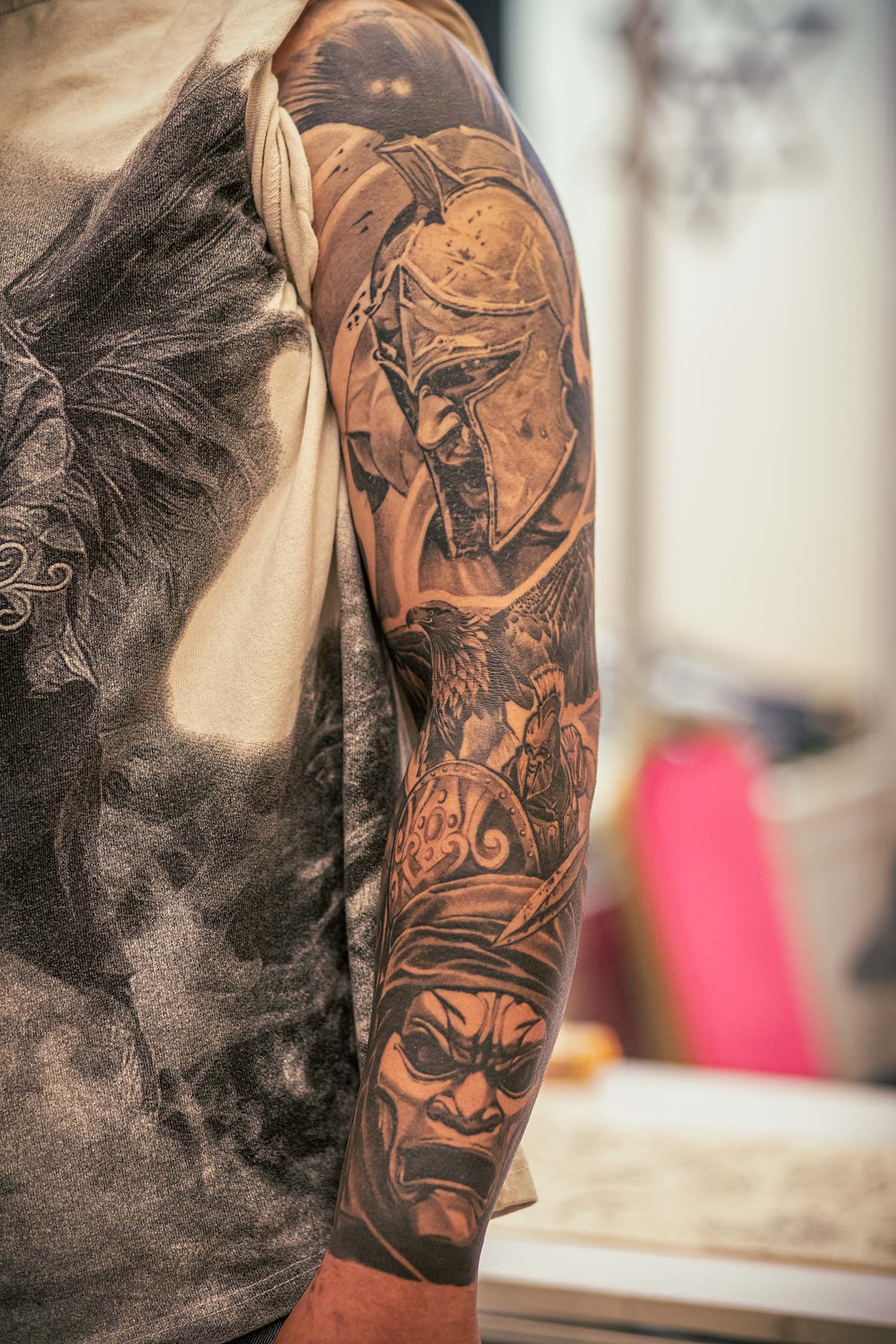
When many cultures view tattoos as symbols of fortune that guide them into the afterlife, the ridicule tattooed individuals face for expressing themselves through art becomes deeply contradictory.
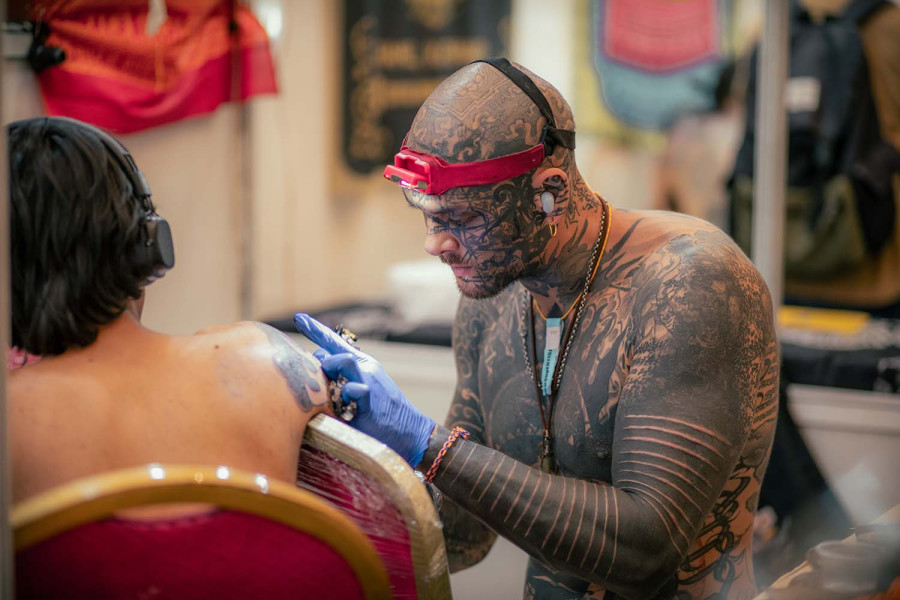
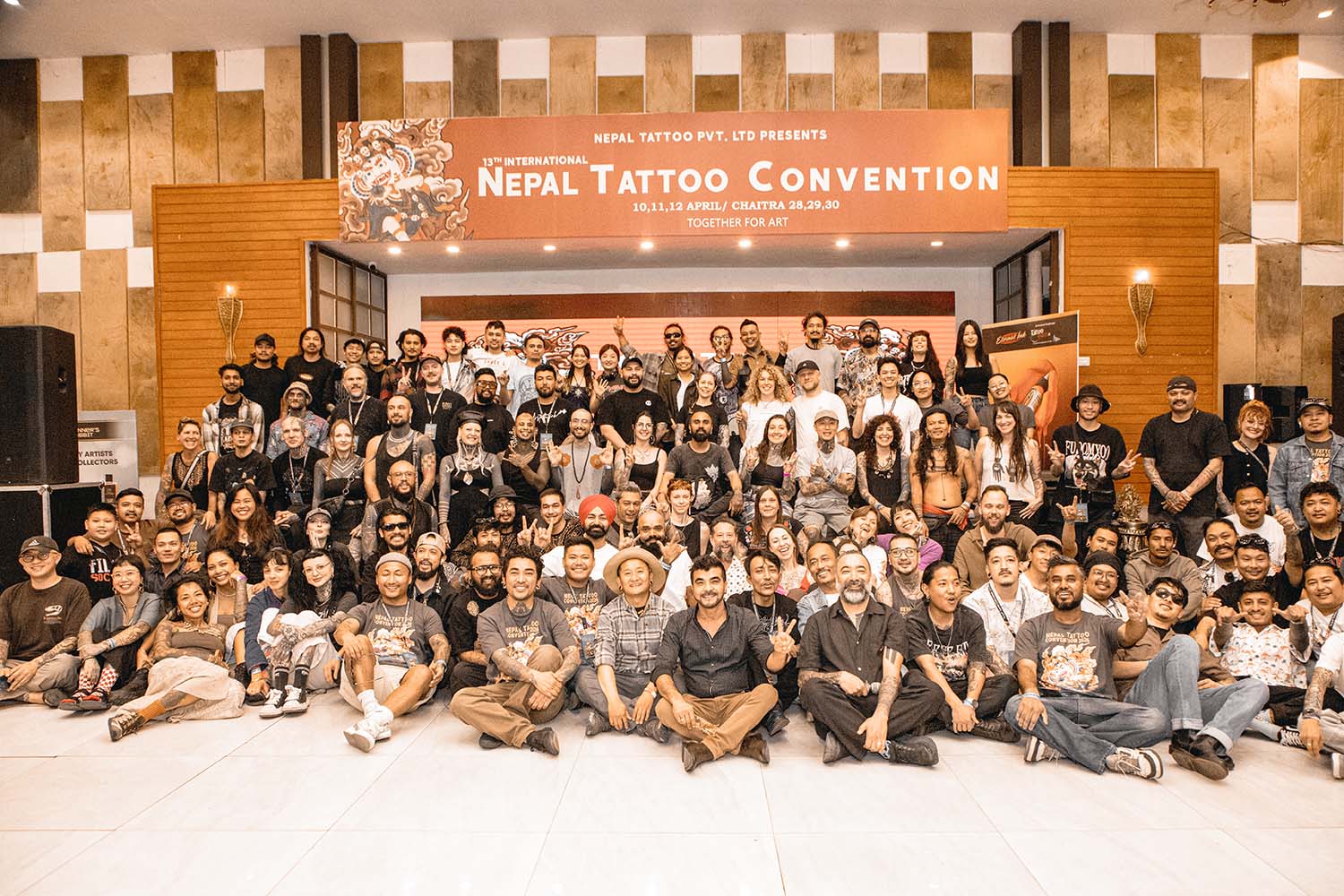
To honour and celebrate the artistry of tattoos, the annual tattoo convention, the ‘13th International Nepal Tattoo Convention’, took place from April 10 to 12 at Heritage Garden, Sanepa. Organised by Nepal Tattoo Private, the event brought together international tattoo artists and enthusiasts.
Directed by Omprakash Gurung and Bijay Shrestha, the convention featured more than 250 artists from 22 countries; in total, there were 95 tattoo booths.
The convention also included live music, food stalls, merch booths and cultural dance performances.
“The main reason we organised this convention was to foster Nepal’s tattoo community while also encouraging participating artists to engage with the country’s traditions and culture,” says Gurung, one of the directors.
Kamal Dulal, the owner of Mystic Ink Nepal, says, “I started with non-traditional tattoos, but then I realised I could draw inspiration from Nepali elements as well.”
“When I started tattooing 10 to 15 years ago, public perception was almost the complete opposite of what it is today. I think the newer generation has played a key role in helping the tattoo industry flourish,” says Dulal.
He adds that the Convention has also allowed him to explore and appreciate different tattoo styles. “It provides a platform to connect with other artists—something we don’t often get the chance to do elsewhere,” he says.
Camila, a tattoo artist from Colombia, pays respect to women, nature and animals through her artistry. “In countries like India, women are very creative. They are inspired by nature, and that seeps into their art as well,” she says.
Similarly, influenced by them, she also wishes to pursue the same ideology through tattoos. Her tattoo form mainly uses dots, which, subjectively, represent the plant seeds women carry with them for sowing.
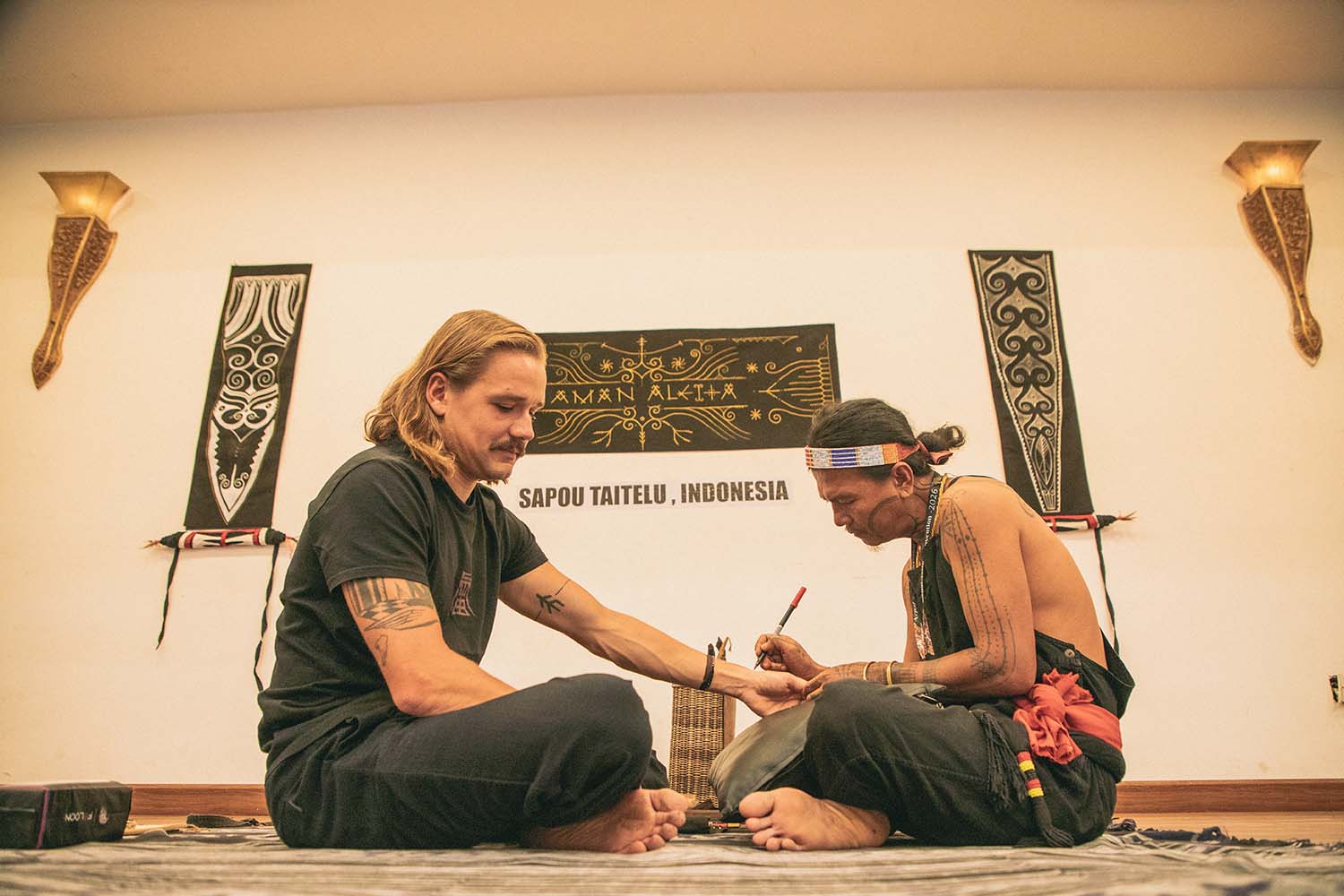
At the Convention, Nagaia, a Malaysia-based tattoo artist, set up a booth for her studio, Rakta Dhatu Tatu. Her designs are inspired by the Iban community’s Pua Kumbu tribal textile work.
Organised by Nepal Tattoo Private, the event brought together international tattoo artists and enthusiasts.
“The motifs are sacred to the tribe, which is why I seek permission from women weavers in Borneo’s tribal communities before using them. I don’t want any designs to be misrepresented or misunderstood,” says Nagaia.
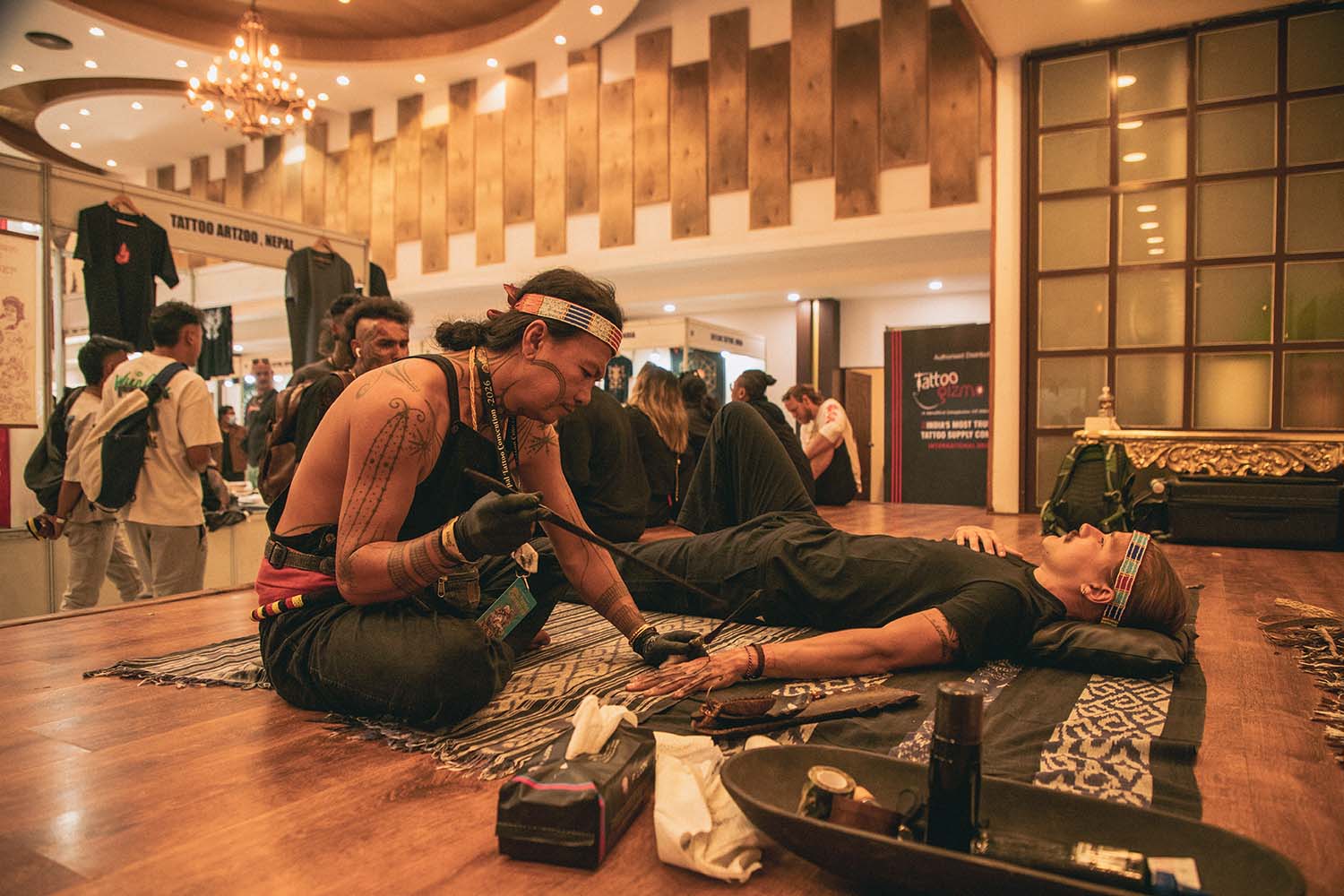
The hand-tapping tattoo method she uses is one of the riskiest tattoo practices, as the tattoo stick gets very close to a person’s blood while the tattoo is being inked.
According to Nagaia, the hand-tapping method in Borneo has been done for more than 2000 years. The ink traditionally used in it was made out of coal or soot mixed with sugarcane.
When asked about preserving the tattoo method, she explains that as people outside Borneo get tattooed with local motifs, the tradition continues to spread and endure in different places.
Caco Menegaz, a Brazilian tattoo artist, primarily works in sacred geometry, a form of tattoo artistry that uses lines and shapes with spiritual and symbolic significance.
“Tattoo for me is a way to show your inner sight to the outside world. Doing this freehand style, I think I can translate what a person feels through my lines and shapes,” says Menegaz.
For him, being a tattoo artist means representing each person in their own skin through art.
“Sacred geometry is the base for every single thing; it is linked to our existence. Through my tattoo, I try to connect that with people’s bodies,” believes Menegaz.
Menegaz adds, “I think the people here are very patient with tattooing, especially geometrical and tribal tattoos, which are kind of the primordial concept of tattooing.”
Although the booths and stalls showcased a wide range of global tattoo styles, the visibility of Nepal’s traditional tattoos remained questionable. While some artists incorporated elements of Nepali culture, none practised indigenous forms such as ‘Tharu Godna’ or ‘Newari Lha-chyogu’.
Gurung says, “We rarely see Nepal’s traditional tattoo artistry—not only is it absent from the commercial market, but its overall presence is minimal.”
Given the rich symbolism of Nepali tattoos—ranging from the animistic to the spiritual—their absence on the global stage is even more striking. It not only highlights a gap in commercial representation but also raises questions about cultural preservation. Furthermore, a key challenge for Nepal’s tattoo industry lies in sustaining and practising indigenous tattoo traditions.




 23.26°C Kathmandu