At Cebu Fiesta, a slice of authentic Filipino taste
From hearty chicken adobo to refreshing halo-halo, Cebu Fiesta Kitchen introduces Kathmandu to the rich, lesser-known flavours of Filipino cuisine. Mokshyada Thapa/TKP
While mainstream Southeast Asian cuisines often represent Asia’s diverse food culture, Filipino cuisine remains largely overlooked, even in Nepal. To change that, Cebu Fiesta Kitchen in Lalitpur offers an authentic taste of the Philippines.
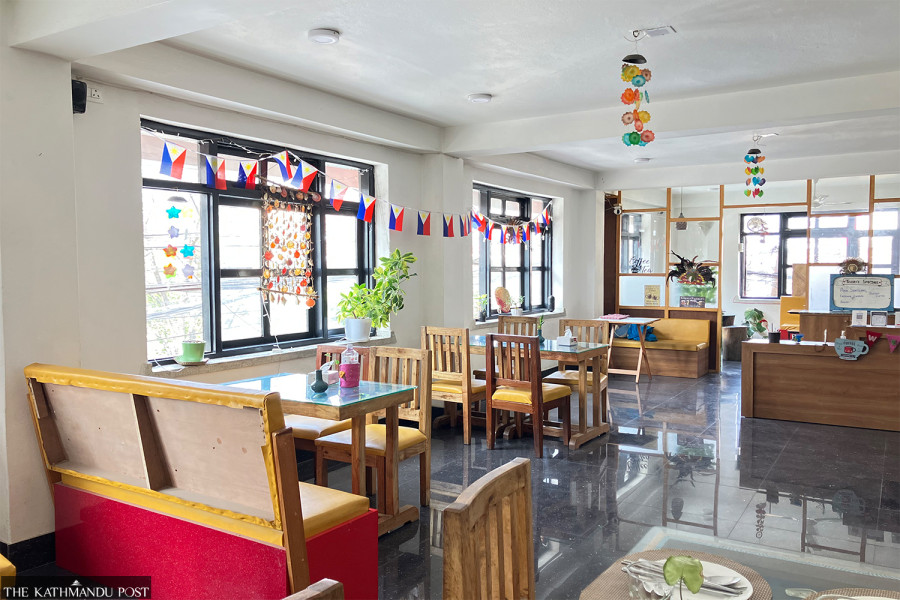
The restaurant’s wooden tables are topped with glass, under which small snail shells, miniature surfboards, and pebbles are carefully arranged, creating an island-inspired aesthetic.
Two Filipino friends, Sharon Gayosa Shakya and Terence Lee, felt a need for authentic Filipino cuisine in Nepal. Even though there was a community of people from the Philippines, not even a single restaurant in Kathmandu served the country’s dish; thus, they opened Cebu Fiesta Kitchen.
The restaurant is relocated to Jhamsikhel, Lalitpur, in January 2025. Now, it is a family-owned restaurant, currently being operated by Shakya’s daughter, Anisha Shakya and her husband, Anil Shakya.
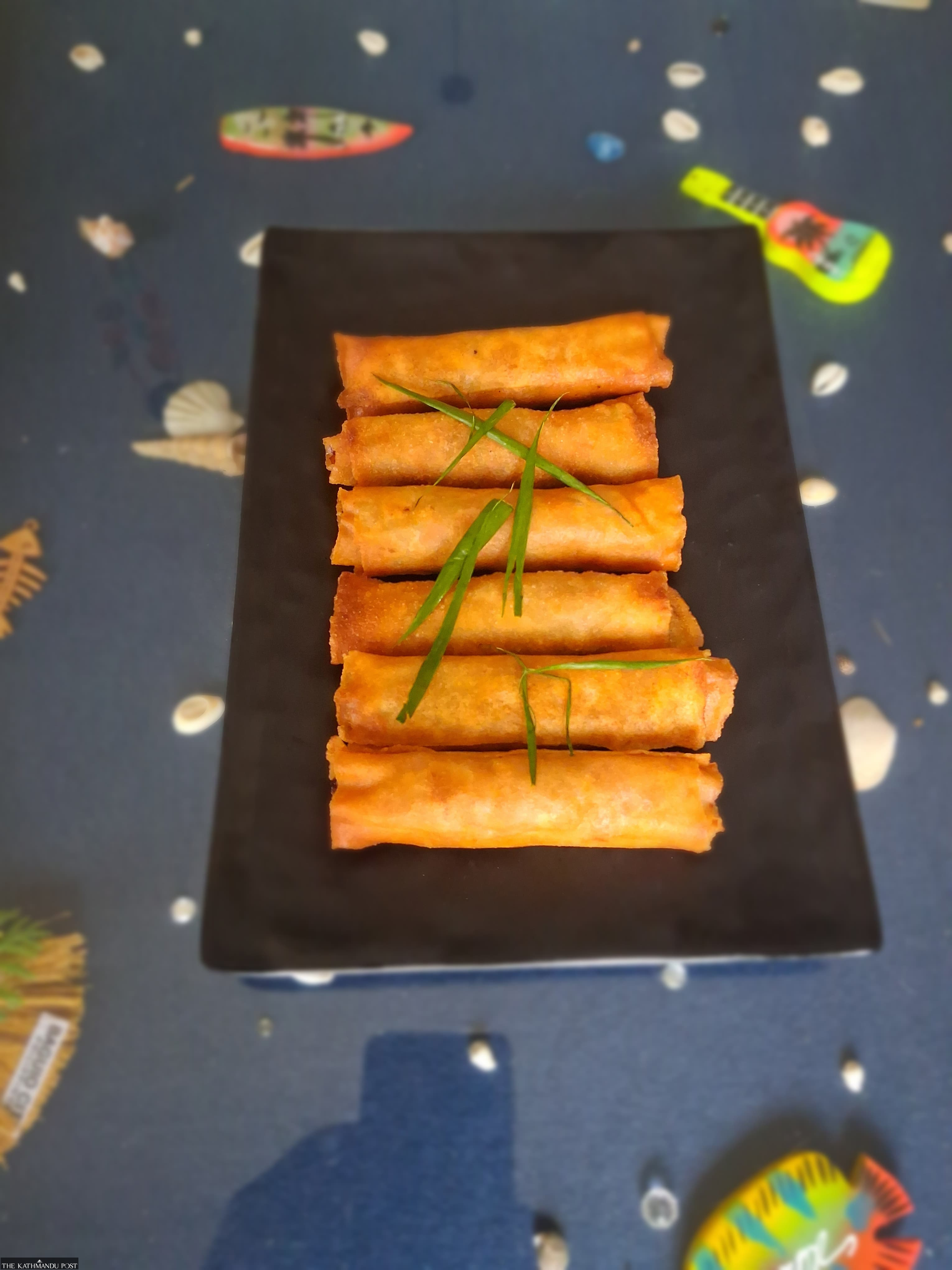
Lumpia
Anisha says, “My parents met in Cebu, a city in the Philippines, while studying, and a fiesta means celebration. That is how our restaurant was named.”
When the Post visited Cebu Fiesta, one of the owners served five dishes and a dessert.
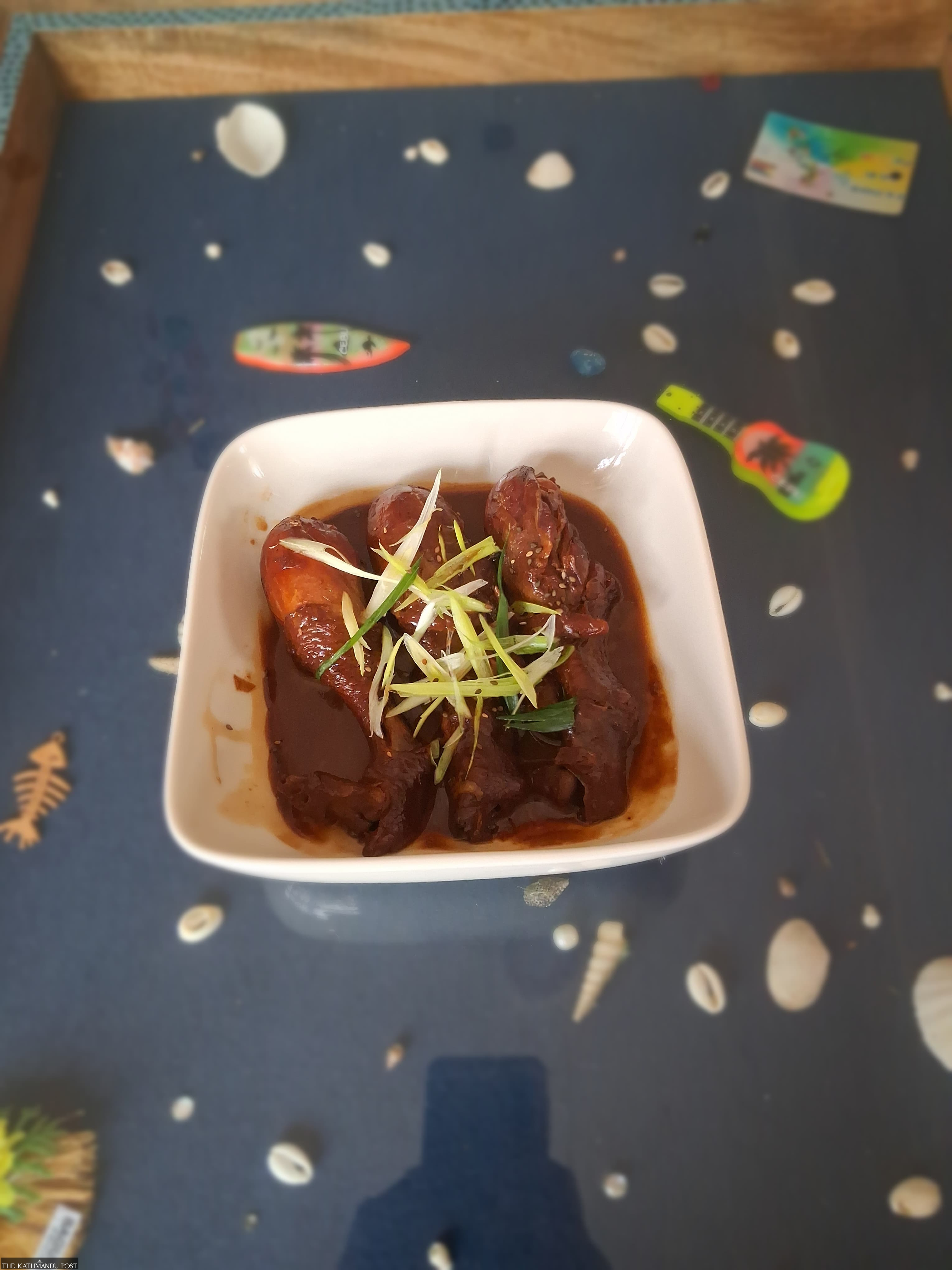
The first dish to arrive at the table was the beloved Filipino dish, Chicken Adobo. On the outside, the glossy chicken legs, covered in thick brown soy sauce and topped with scallions and sesame seeds, made the adobo visually appealing.
The chicken’s tenderness justifies its lengthy marination time. It was a combination of both savoury and sweetness. Adobo’s herb-filled sauce, when eaten with plain, warmed rice, evened out its flavours.
Although the Nepali palate usually does not prefer dishes that have the words ‘sweet’ and ‘meat’ together, Chicken Adobo is a hearty exception.
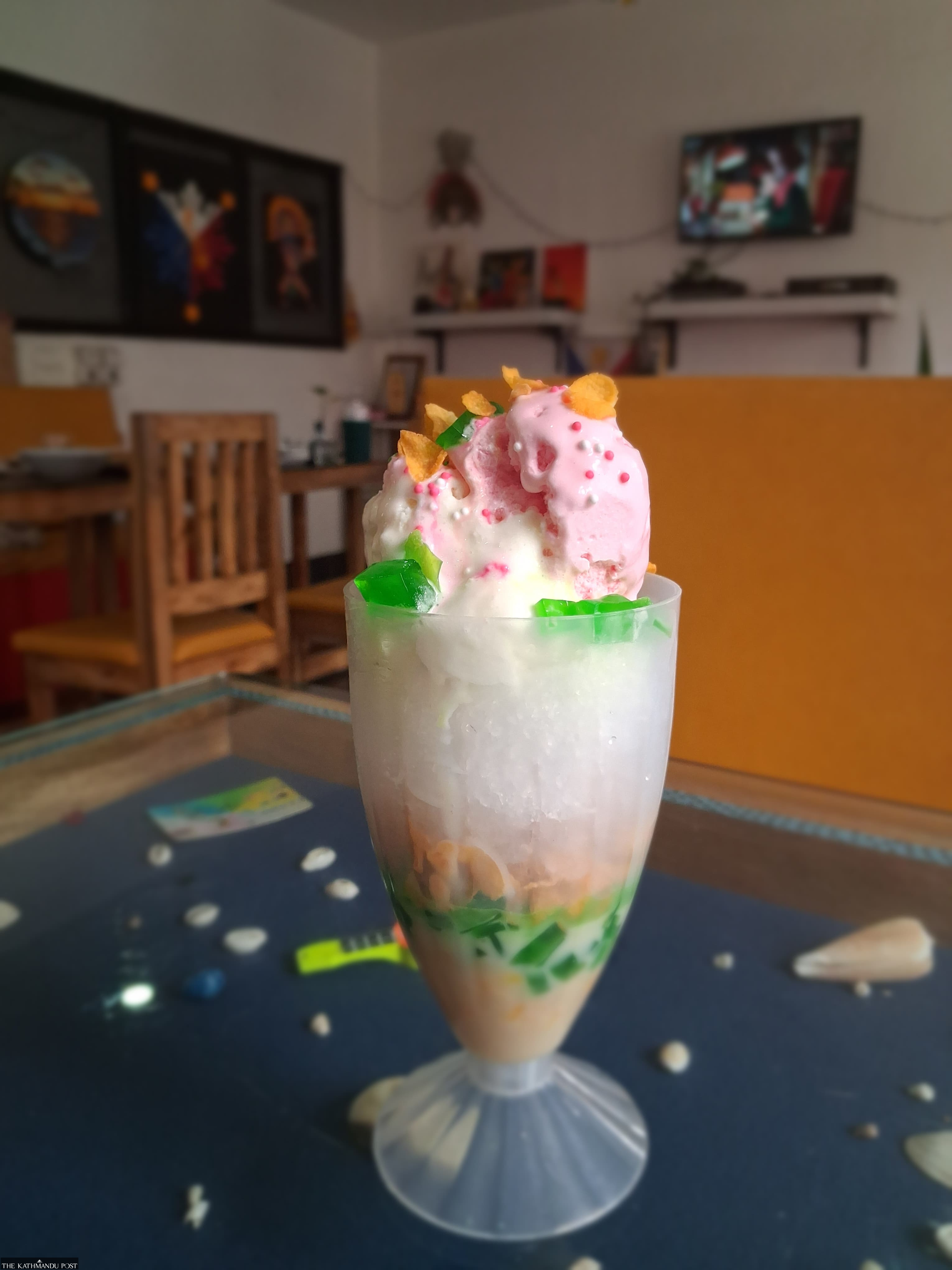
Halohalo
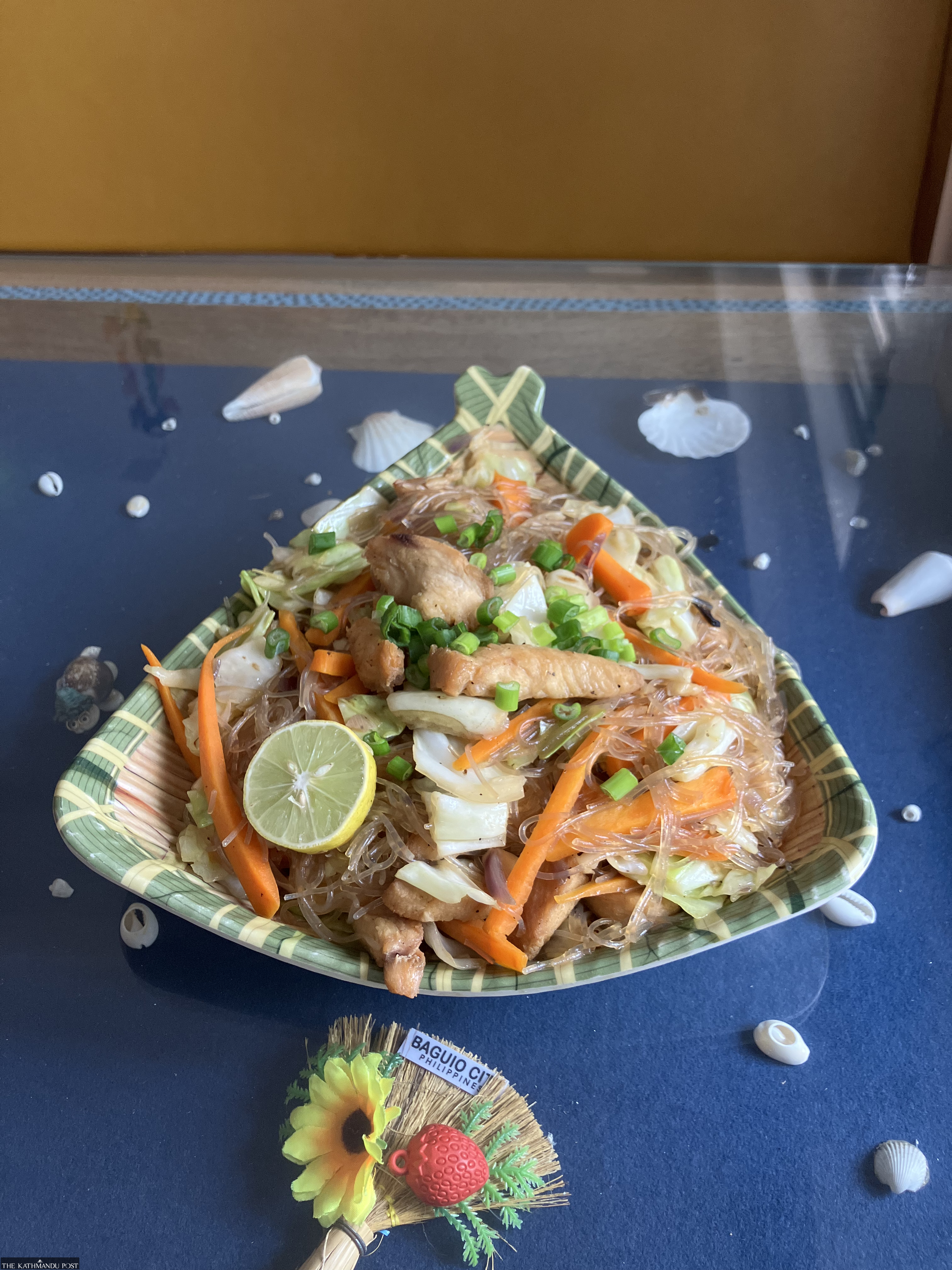
The most enticing dish on the table was the Chicken Pancit. The wooden plating looked like it came from a tropical island, and the food was colourful.
Made from stir-fried silky glass noodles, carrots, chicken, cabbage and other vegetables, the Pancit feels like a complete meal on its own. The portions of this dish were large, almost suitable for three servings.
Unlike the bold Adobo, Pancit leaned into a mild, subtle salty-savoury profile. The glass noodles created a chewy texture, while the occasional crunch of the vegetables made this dish a distinctive experience for the taste buds.
Then another dish on the menu was Chicken Lumpia, a fried appetiser. The outside of Lumpia had a golden-brown look, and the inside had succulent fillings of vegetables and chicken.
Although the exterior of the dish was crispy, the inside was tender and juicy, accounting for a contrasting texture. The fillings also had an umami taste, probably because oyster sauce was used to enhance the flavour.
Pancit
Chicken Lumpia is quite similar to spring rolls, but the wrap is thinner in this dish, as are the ingredients used. After all the chicken items, it was now time to indulge in pork dishes. Pork is considered a staple meat in the Philippines.
Pork Siomai is a Filipino dumpling. The stuffing is made from pork, green and red onions, and carrots. This dish also uses oysters and soy sauce, both common ingredients in Filipino cooking.
Almost resembling Nepali Kothey momo, the dish was served with homemade chilli oil. Alone, Siomai’s taste was mild, allowing the natural sweetness of pork and the freshness of vegetables to seep in subtly.
The last dish to arrive was Pork Sisig, a snack mainly eaten, served with a lemon wedge. The meat used in it is pork face and ears, which might throw off some people, but was the special part that elevated the dish.
When eaten with red onions and green chillies, the grilled meat has a bold, smoky flavour. It was complemented by a slight char on the outside with mayonnaise as its condiment, which gave it a creamy flavour.
Abodo
To cleanse the palate with a sweet dessert, we were served Halo-Halo. A popular cold dessert that includes shaved ice and condensed milk, generally with ube ice cream, but it was substituted with vanilla and strawberry flavours, along with jellies, corn, and cornflakes.
‘Halo-Halo’, when translated to Tagalog, means ‘mix-mix’. Despite its serene composition, all of the components of this dish are supposed to be mixed before eating. Each spoonful offered something different—the crunch of cornflakes, the chewiness of jellies, the creaminess of the ice cream, and the refreshing chill of shaved ice.
According to Shakya, most of the dishes on the menu follow her mother’s recipes, while some have been modified. Overall, the dishes cannot be described by a single flavour profile, as they are a blend of sweet, salty and savoury.
As for the Nepali palate, Filipino cuisine differs from the usual seasoning, but some of them are even the same, like bay leaves. But it offers a refreshing flavour with each bite, creating a spices-and-herbs-filled taste.




 19.39°C Kathmandu