The technique, transformation, and magnetism of continuously externalising and physically expressing emotions on stage are an art in themselves.
Remaining cohesive to one’s personality, or briefly setting it aside to overlap it with the character’s, theatre actors navigate the demands of sensibility and vulnerability. ‘Exaggeration’ of everything—voice, diction, dialects, body language—yields relativity. The actors make this possible, fabricating the world as a stage.
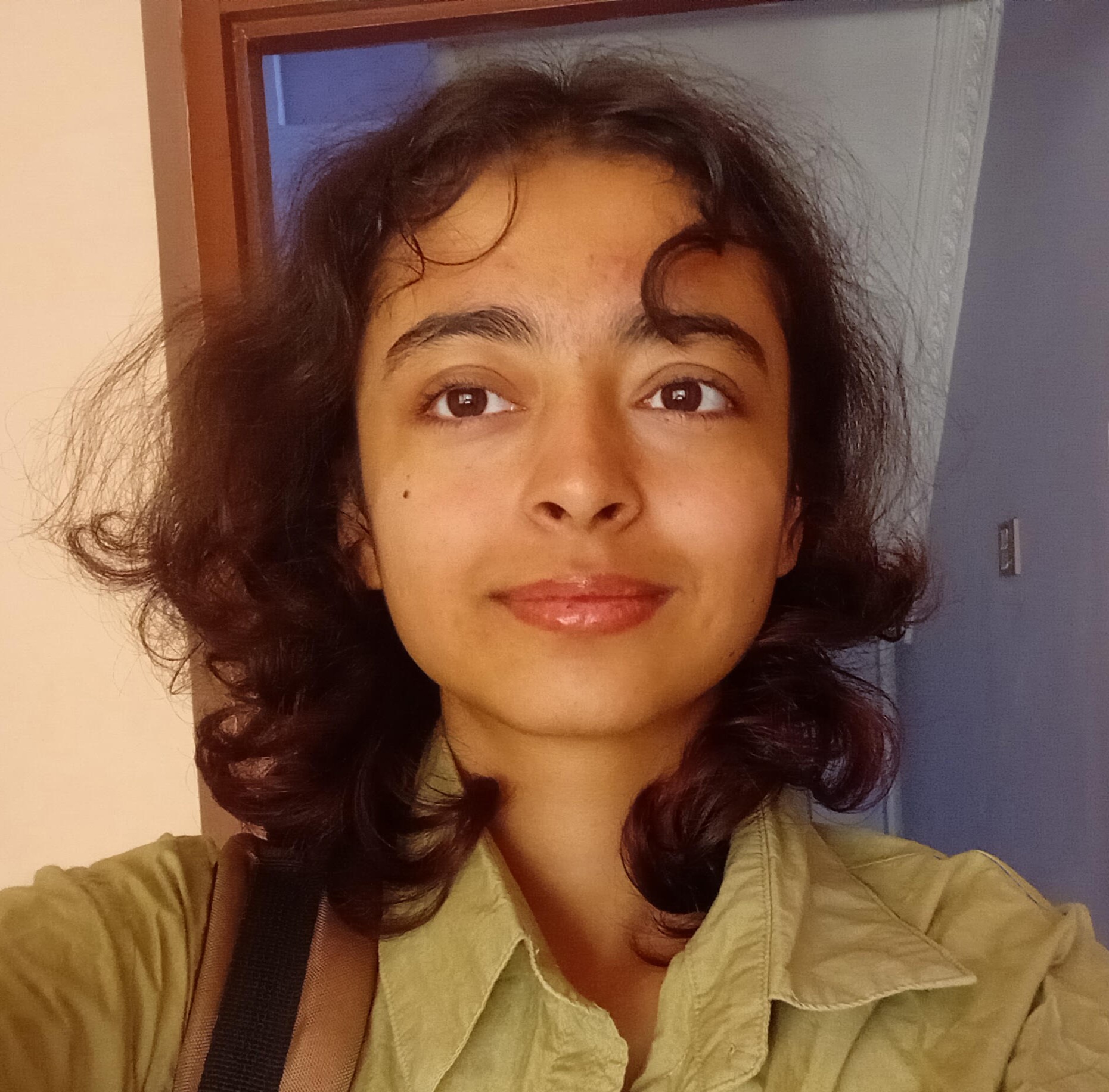
Theatre actress Saraswati Chaudhary’s gradual familiarisation with the characters happens in parallel with the rehearsals. “While practising, I separate professional life from the personal,” she says. “Along with the rehearsals, I start trusting myself with the ambience, and I memorise the lines.”
Anchoring the characters’ milieu, age, temperament, and dispositions—envisioning them through the script, or sometimes predicting them—the actors embrace the process of transformation.
By playing over two dozen characters across diverse shows and multiple personalities in her acting career, Chaudhary is constantly challenging herself and sharpening her acting techniques. Perhaps the time and effort put into the preparation illuminate even the blur of the stages, making some roles settle deeply in her memory. “I remember practising for the play ‘Hedda Gabler’. I was Hedda, the main character, and the process was rigorous and equally memorable for me,” she shares. “A character I challenged myself with.”
Saraswati Chaudhary Courtesy of Keshav Thapa
Theatre actors constantly negotiate this space between self and role, translating inner emotions into visible gestures, expressions and movements. Internal monologues among them seem to persist throughout the rehearsals. “Which character am I? Who am I trying to become? How do I embody this?” Questions oscillate within, finding answers amidst practice.
This act of metamorphosis requires individual techniques, research and experiences that move beyond the stage. “Meditation and mindfulness help me immerse myself in the characters. I often find myself in front of a mirror, practising, or simply visualising my role, planning how I will move and cover the stage,” shares Chaudhary.
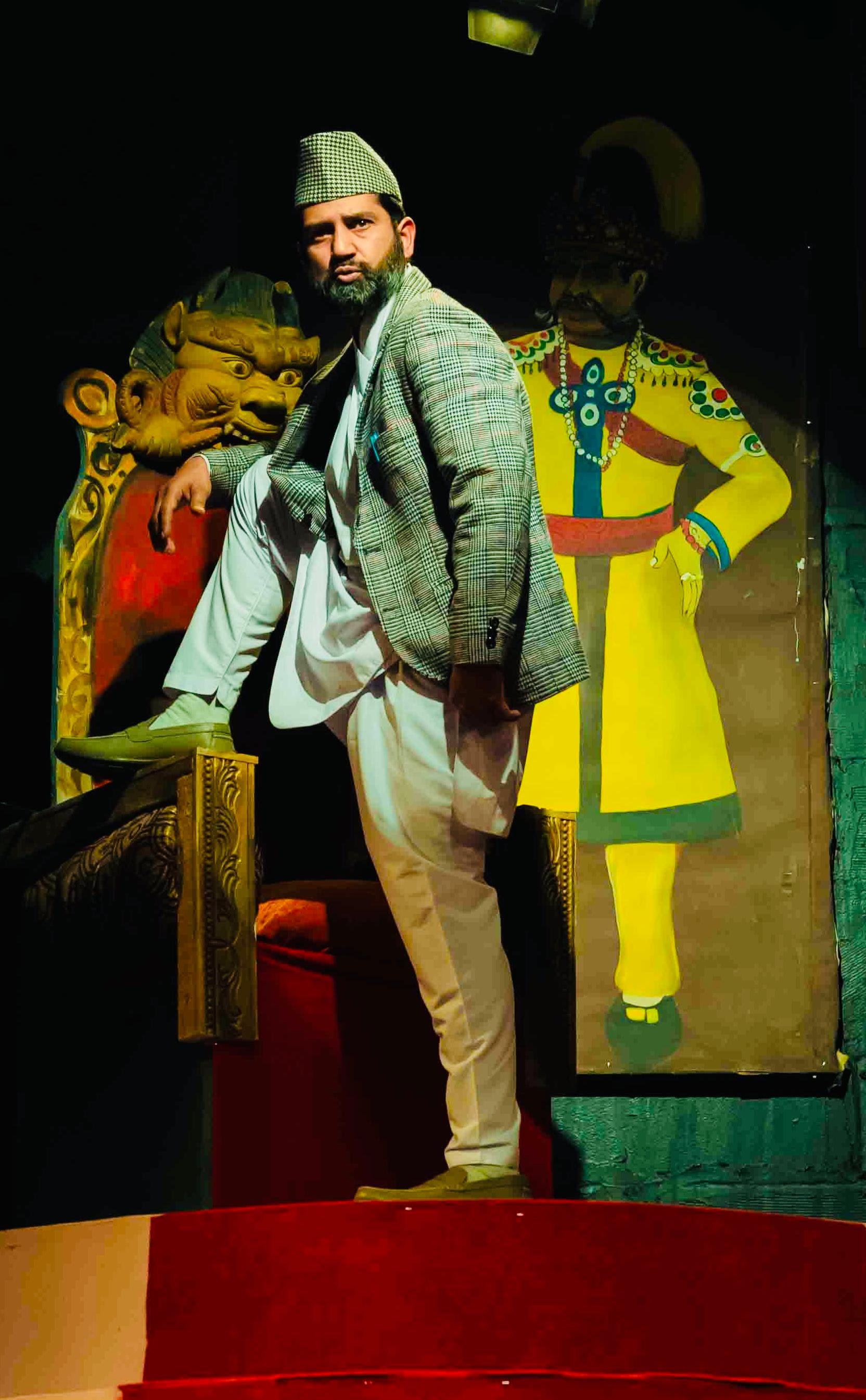
For Prabin Khatiwada, dissolving into each character begins with observing society, then reflecting on those observations, shaping them through imagination, and finally bringing them to life through practice.
“Stories come from experiences in society. Keen observation of its atmosphere is crucial in forming a character. Then, expanding the horizon of imagination—envisioning the structure of society I am mirroring. Lastly comes practice. Practising constantly develops comfort,” shares Khatiwada.
Prabin Khatiwada Courtesy of Prabin Khatiwada
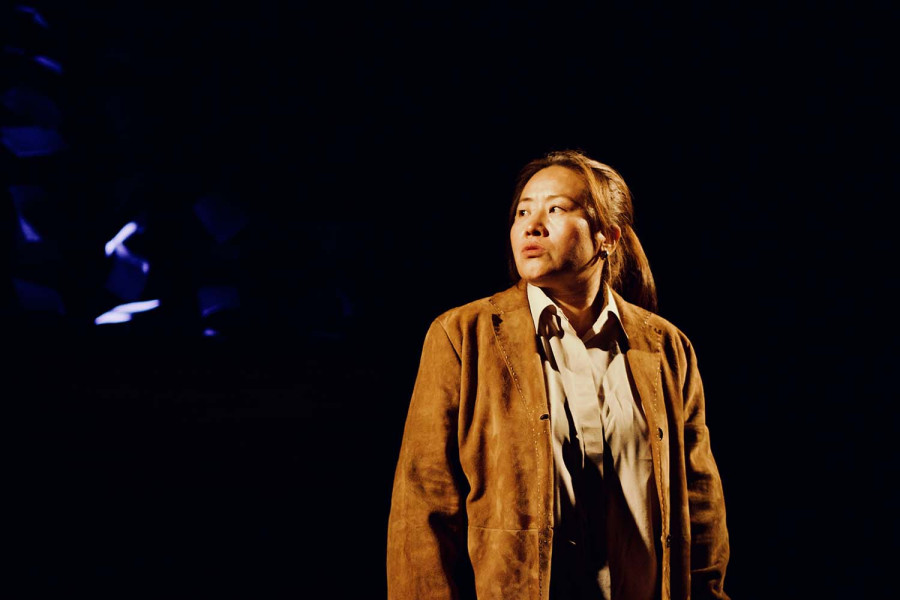
Actress Pashupati Rai pays sharp attention to the play’s theme, analysing her first impression of the encounter. “As I gather information about the play, I ask why my character is in it, and what impact does it carve on the overall setting,” she explains.
Reading and re-reading the script is the primary way of visualising the character, which, according to her, comes naturally once she deciphers the text. “I don't immediately assume the character’s voice or movements. Reading the scripts over and over again, my body instinctively starts to adapt to the character’s emotions and space,” she says.
For her, preparing for each character remains memorable. In particular, she recalls gaining knowledge through ‘Bagh Bhairav’, rooted in Newa culture, and ‘Prima Facie’, which demanded a distinct rehearsal approach. “Certain roles are taken to project an actor’s acting skills. These, however, stood pivotal on how I understood the society and myself,” says Rai.
The process of analysing character and developing the background is unique to each actor. However, bringing all elements of the play to a single ground is a collective process. Theatre is not an individual occurrence. It is a collaborative, co-dependent creative process in which peer improvisation holds firm.
“The merits and demerits should be traced initially by peers,” says Khatiwada. “They become our first audience.” He also believes that the surroundings to which the actors are subjected play a significant role in developing the characters.
Pashupati Rai Courtesy of Prayash Bantawa Rai
With acting experience, be it for a year or decades, staying behind the curtains at the premier show fills actors with apprehension, underscored by a need for solitude.
“I simply remain stagnant. Conversations and encounters do not seem as appealing to me five minutes before the show. I close my eyes and recall my dialogues,” shares Chaudhary.
Khatiwada, too, shares a similar approach. “I try to forget everything, hoping that nobody will obstruct my peace,” he says.
“I practice breathing techniques, reminding myself of the character I am about to play—avoiding any other thoughts. Physical exercises, an hour before the show, help me regulate my emotions and my character,” says Rai.
Eventually, Rai transforms theatre into a shared experience for everyone by breaking the fourth wall and consciously acknowledging the audience’s presence.
For these actors, theatre acting becomes more about experiencing society through a different life than it is about embodying someone else. They transform observation into embodiment by tracing through vulnerability, discipline, and imagination between rehearsals and performances.




 24.95°C Kathmandu