Travelling to the country’s most remote districts to provide healthcare, KC quietly documents the lives he encountered in ‘Doctorle Dekheko Nepal’. Post Illustration
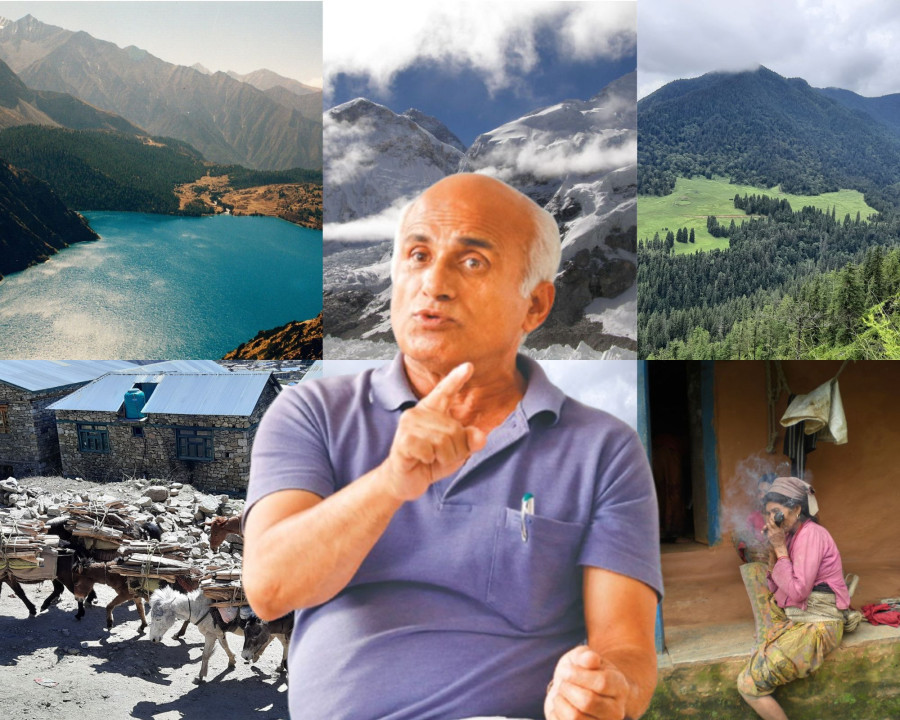
Many know Dr Govinda KC as Nepal’s senior orthopaedic surgeon and a man of service. But beyond his long career in medicine and fast-unto-death activism demanding reforms in Nepal’s medical education, few know of his passion for photography.
The year was 1986, soon after completing his MBBS at Rajshahi Medical College in Bangladesh, KC spent around 4,000 Bangladeshi Taka from his scholarship money to buy a Yashica camera with advanced features.
“With my own camera in hand, my dream of taking photographs came true,” he says. Before that, he borrowed cameras from friends to take pictures.
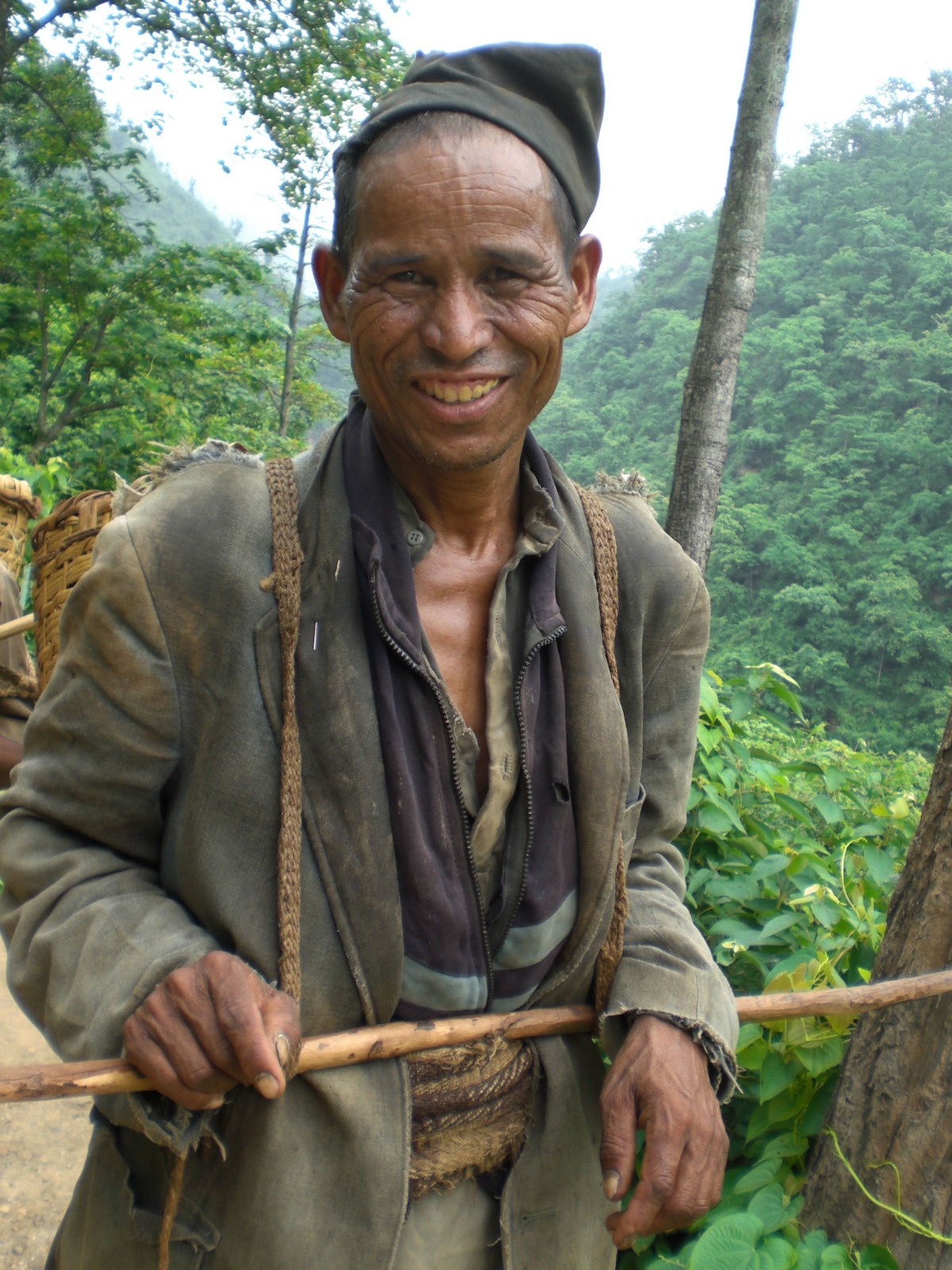
Over the years, he would traverse Nepal as an orthopaedic surgeon providing medical aid, and during these travels, he took many photographs that capture the economic, social, and political realities of the country. Such photographs, clicked over a period of four decades, have been compiled in the book ‘Doctorle Dekheko Nepal’.
Photos: Courtesy of Govinda KC
KC says the book, which took about five years to complete, contains roughly 1,500 to 1,550 photos across 420 pages. In these five years, he went through over 100,000 photos in his collection, both print and digital, to form the book.
Not only that, when a devastating cyclone hit Mozambique in 2019, KC decided to go there to provide medical aid. On his way, he lost his laptop at Doha International Airport in Qatar during a rushed security screening. Because he had not backed up his files, he lost thousands of irreplaceable photos. But luckily, some photos from that collection were printed for a photo exhibition, so not all was lost.
Before this book was published, KC held multiple photo exhibitions. His first exhibition in Pokhara was a tribute to the Gandharva community, whom he views as the ‘messengers’ of Nepali music.
At another exhibition at the Teaching Hospital, in a typical Govinda KC move, he invited a shoe cobbler sitting at the hospital gate to be the chief guest. He argues that as a society, we owe ‘centuries-old debt’ to those we have marginalised.
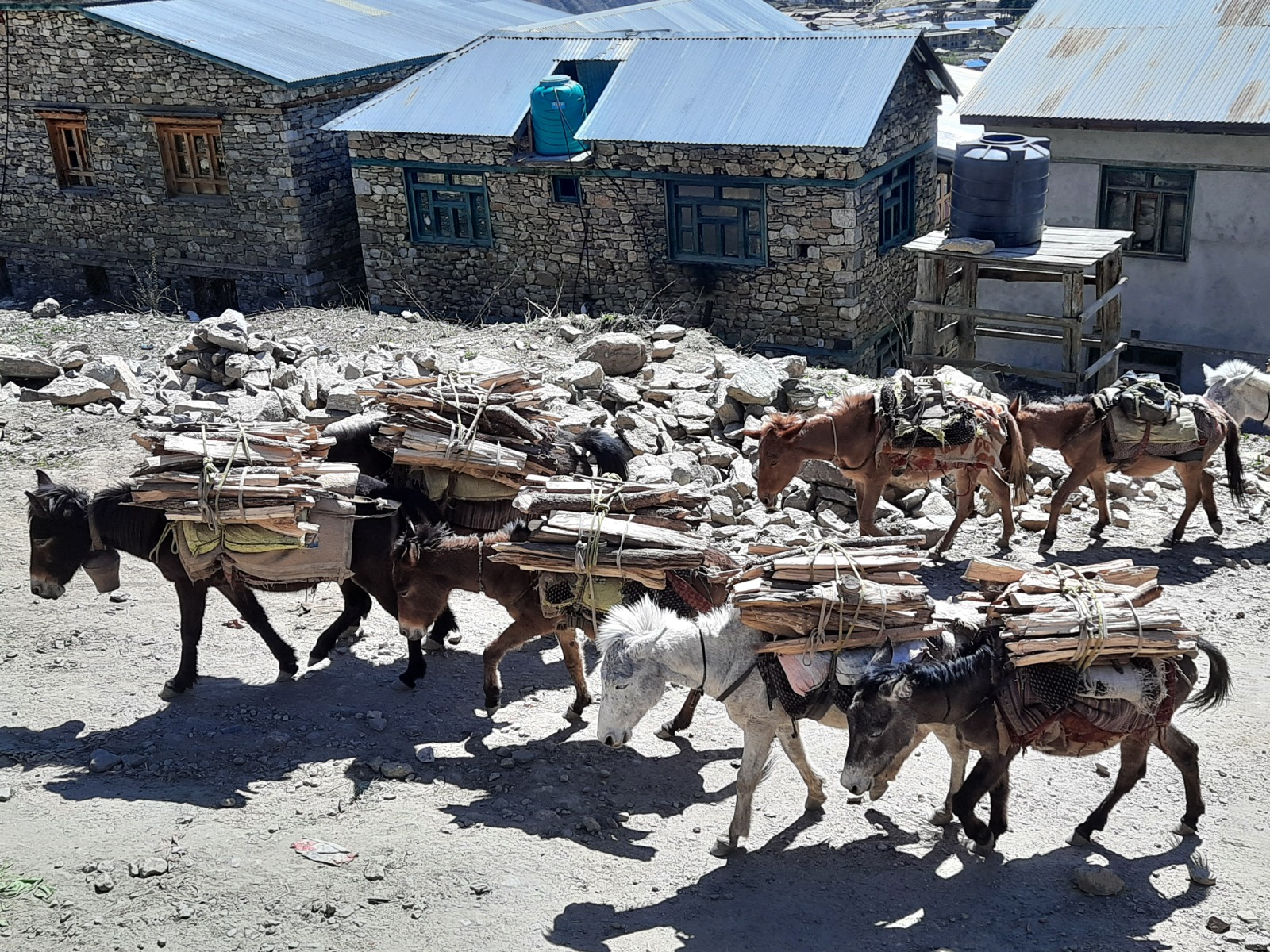
Mules carrying firewood to cook food and keep warm in Humla.
During his time at the same hospital, he noticed that patients arrived from across the country with major and minor illnesses. That’s when it clicked for KC, “What if I provide training to the health workers working in remote areas? That way, it would be easier for local people to receive treatment at nearby health centres instead of travelling far.”
With this idea, he journeyed to all 77 districts of Nepal to provide free healthcare and training, and the book evolved from these travels.
‘Doctorle Dekheko Nepal’ is divided into two parts. Part one consists of 17 chapters, such as ‘Country’s Faces and Attires’, ‘Earthquake’, ‘Economy’, ‘Organisations’, ‘Pilgrimage sites’, ‘Culture’, ‘Transportation’, and more.
Part two consists of 19 chapters: ‘Festivals’, ‘Flowers’, ‘Villages, Cities, and Alleys’, ‘Birds and Insects’, ‘Climate Change and Natural Disasters’, ‘Service and Travels’, and more.
These chapters don’t just consist of photos and brief contexts; they include observations, analysis, and data. For example, in the ‘Transport’ chapter, data shows that driver negligence is the chief cause of deaths in road accidents.
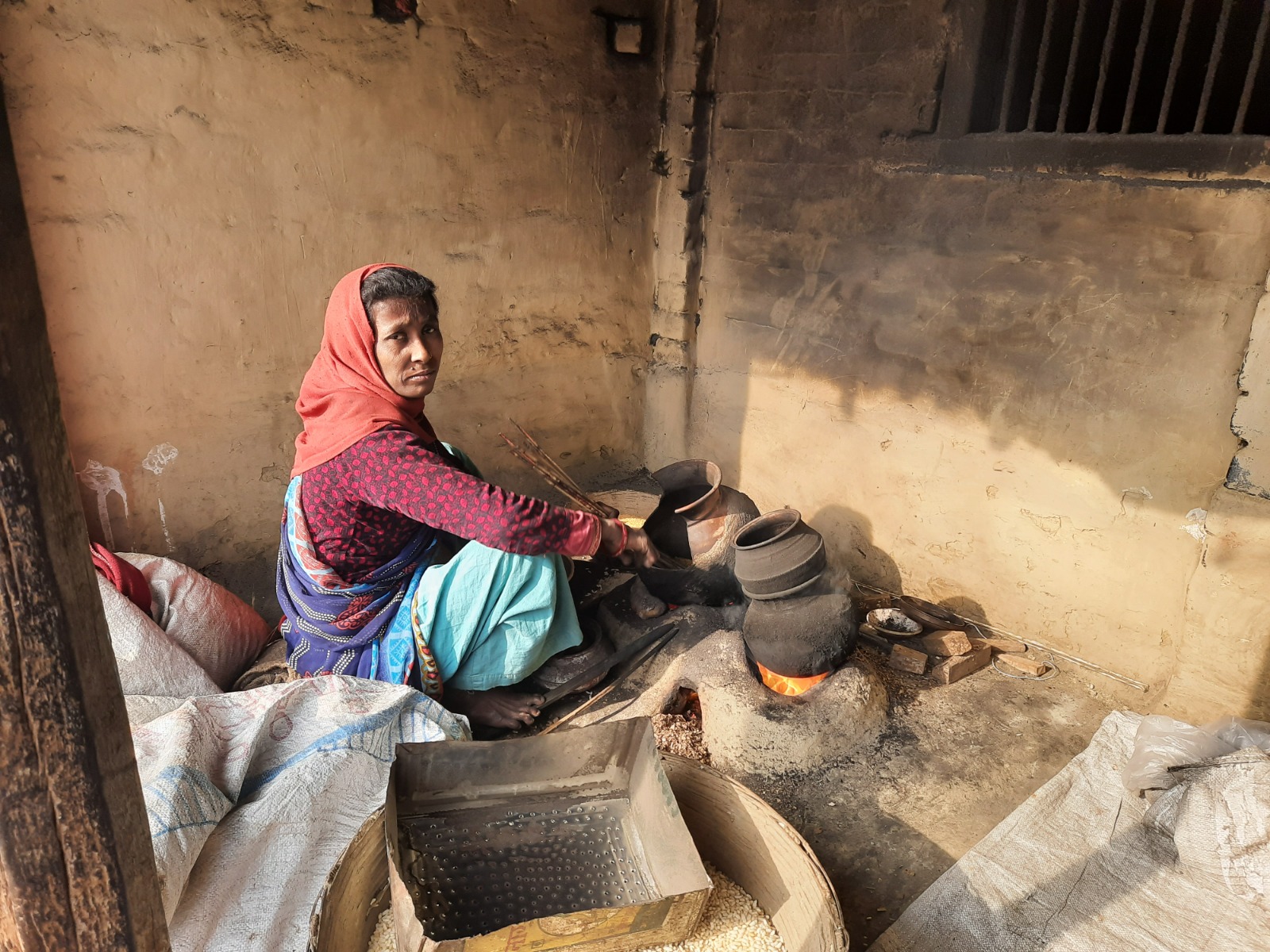
In the sweltering heat of Tarai, a woman makes puffed rice for pennies while middlemen take most of the profit.
Similarly, another chapter compiles district-wise data on total population, literacy rates, and the number of people with disabilities, covering areas such as Nuwakot, Surkhet, Palpa, Syangja, and Doti.
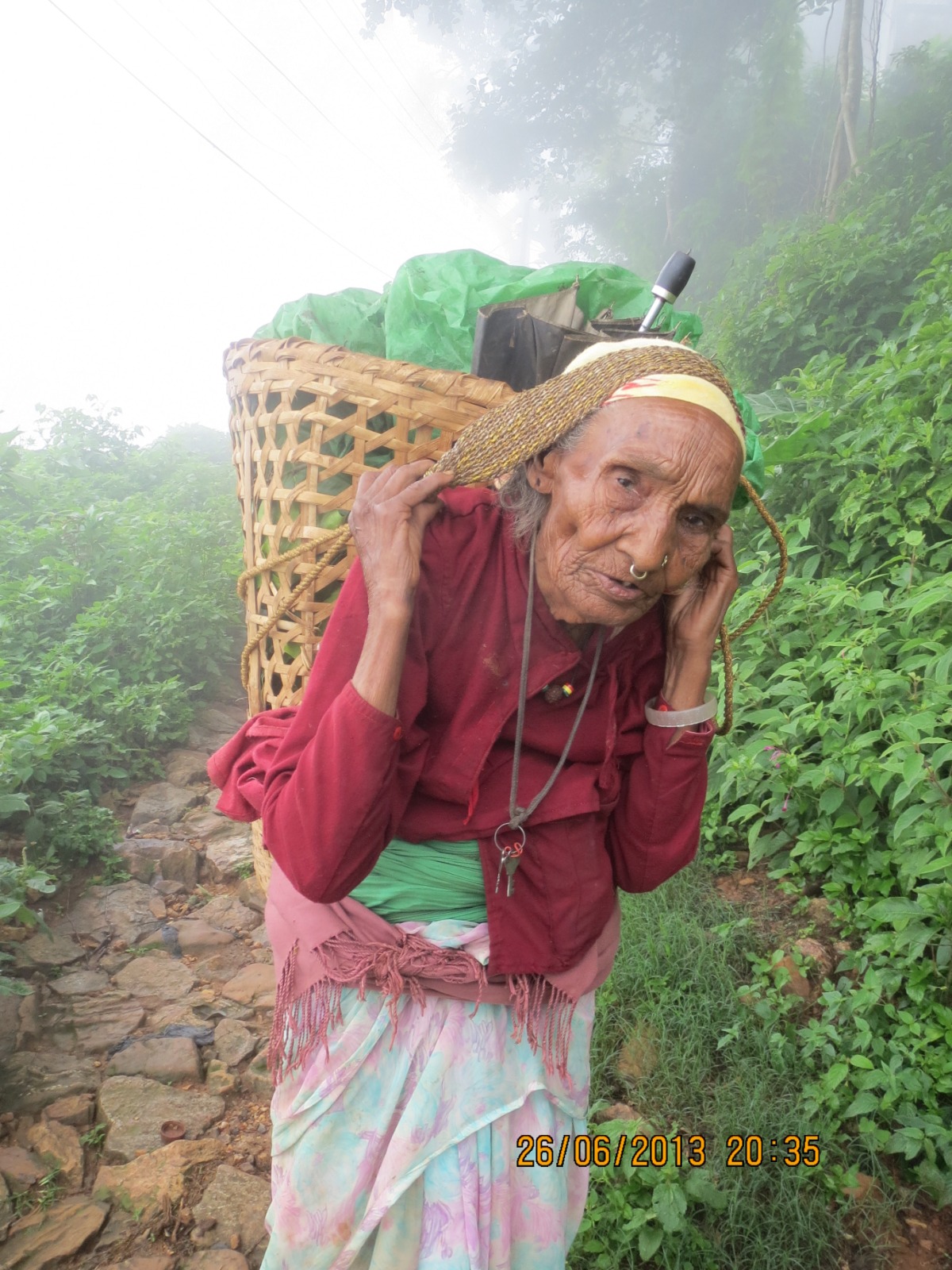
Also throughout the book, KC has captured the everyday lives of locals living in remote areas like Myagdi, Bajura, Dolpa, Mugu, and Rasuwa who are pressed by poverty, sickness, and the lack of the state’s care. This is where the book’s strength lies–intimate storytelling. From the oxygen-depleted heights of Dolpa, where families collect dried yak dung for fuel, to the sweltering heat of Tarai, where a woman makes puffed rice for pennies while middlemen take the profit, the book documents not just a country but a state that has failed its most vulnerable citizens.
“These people don’t even know the government owes them basic facilities. They curse their fate and live miserably,” says KC.
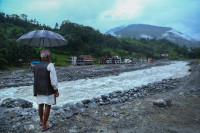
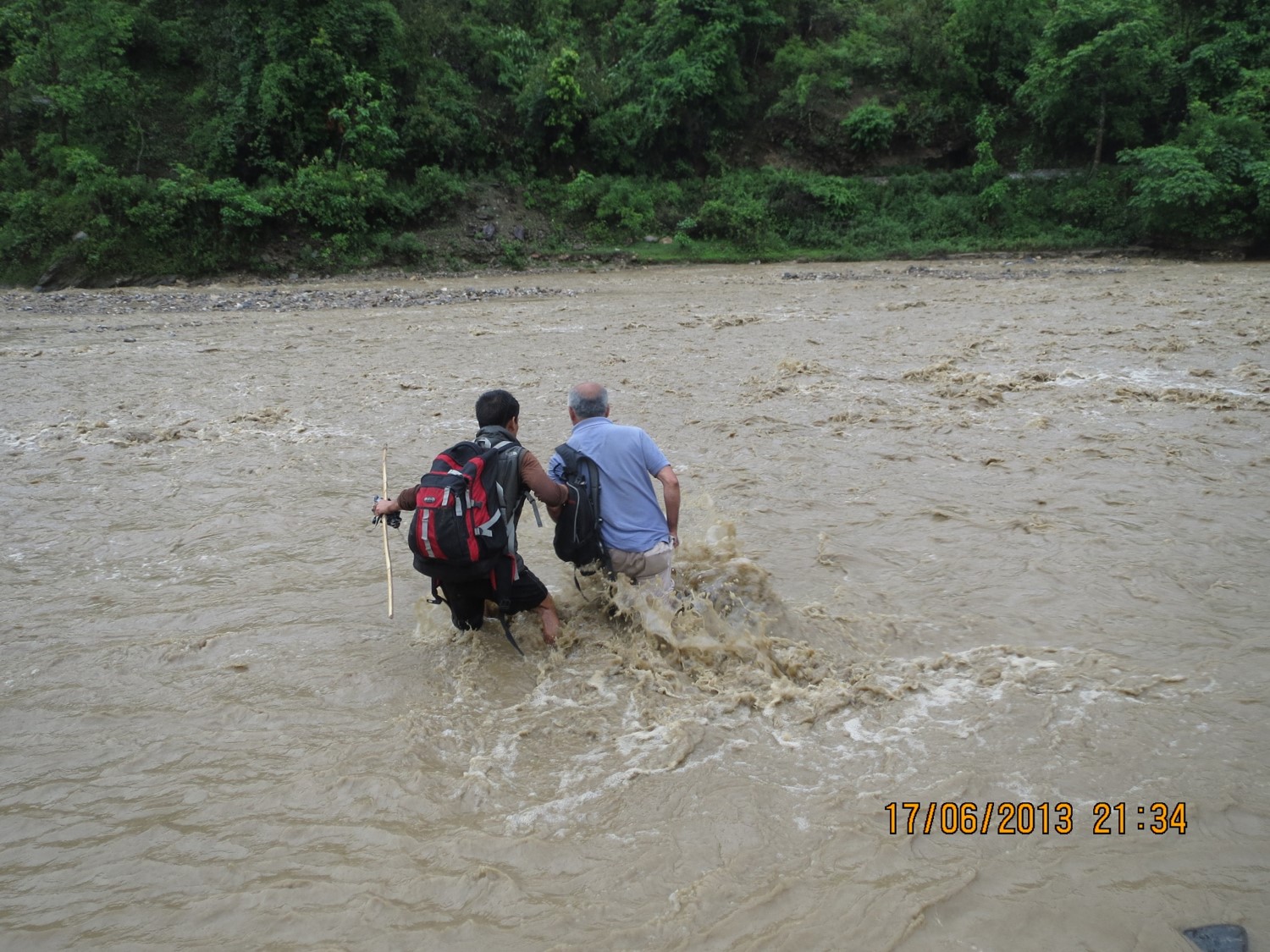
A tea shop vendor helping Dr KC cross a river during peak monsoon in Jajarkot.
When asked whether he has seen any notable changes in the country during his travels over the last four decades, he says there is little to savour. “There are more shortcomings than positives,” he says. He argues that the country’s development challenges are rooted in weak infrastructure, an education system that emphasises theory over practical skills, and governance failures.
“Out of all the roads we have, only a minimal percentage is blacktopped. Our education system produces workers for foreign markets, and Nepal’s Human Development Index (HDI) rank fell from 121st in 1991 to 143rd in 2021,” he says.
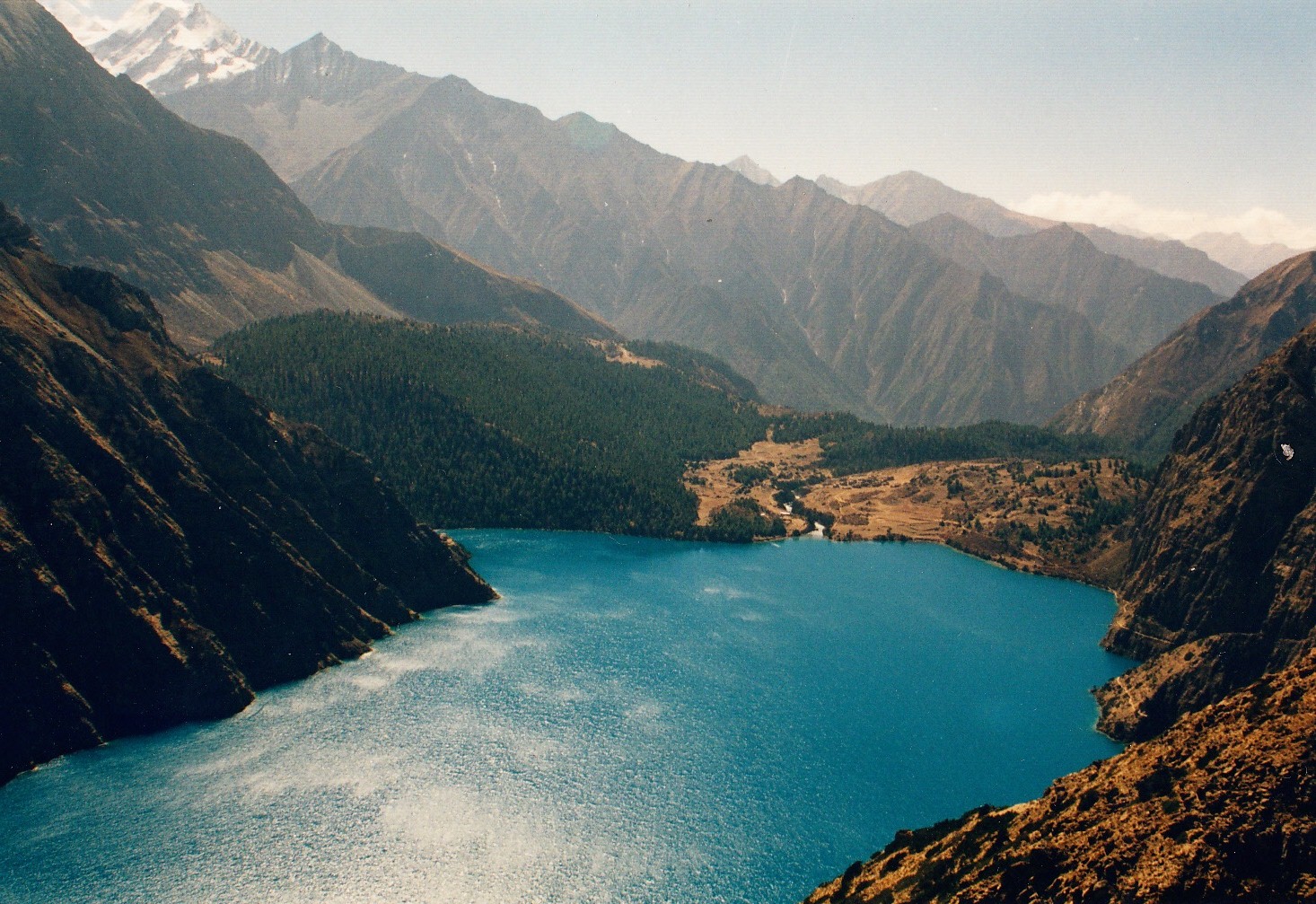
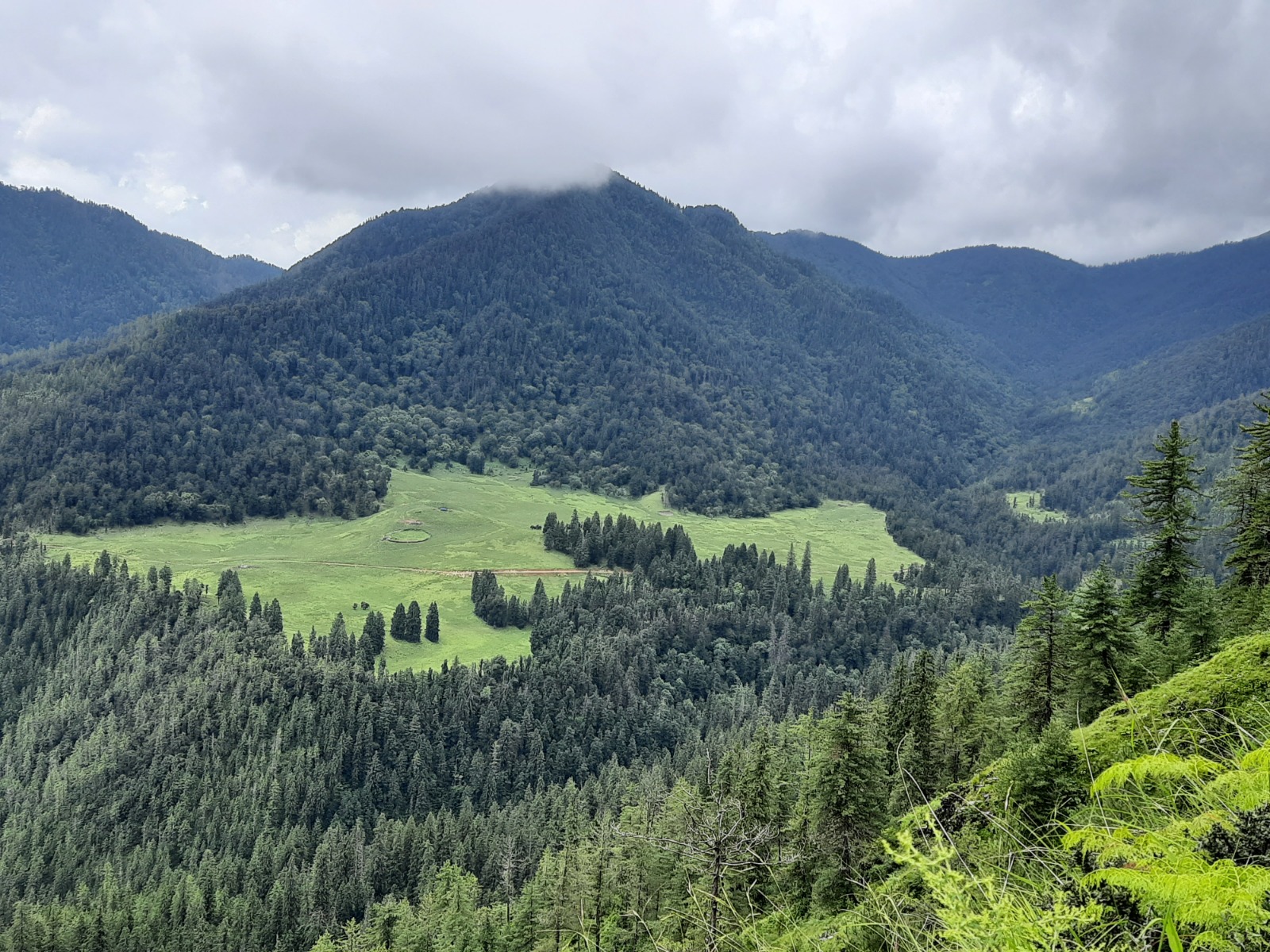
A serene Phoksundo Lake.
By presenting the stories of Nepali people who have been facing injustice from the state, KC argues that any positive change in Nepal is due to the hard work of honest, simple citizens rather than political leadership. In keeping with this tone, he chose to self-publish the book, as opposed to finding an established publisher because, “I wanted to ensure my message was not compromised. Commercial publishers are business-minded; they want to edit or present things in a way that sells best to readers,” says KC.
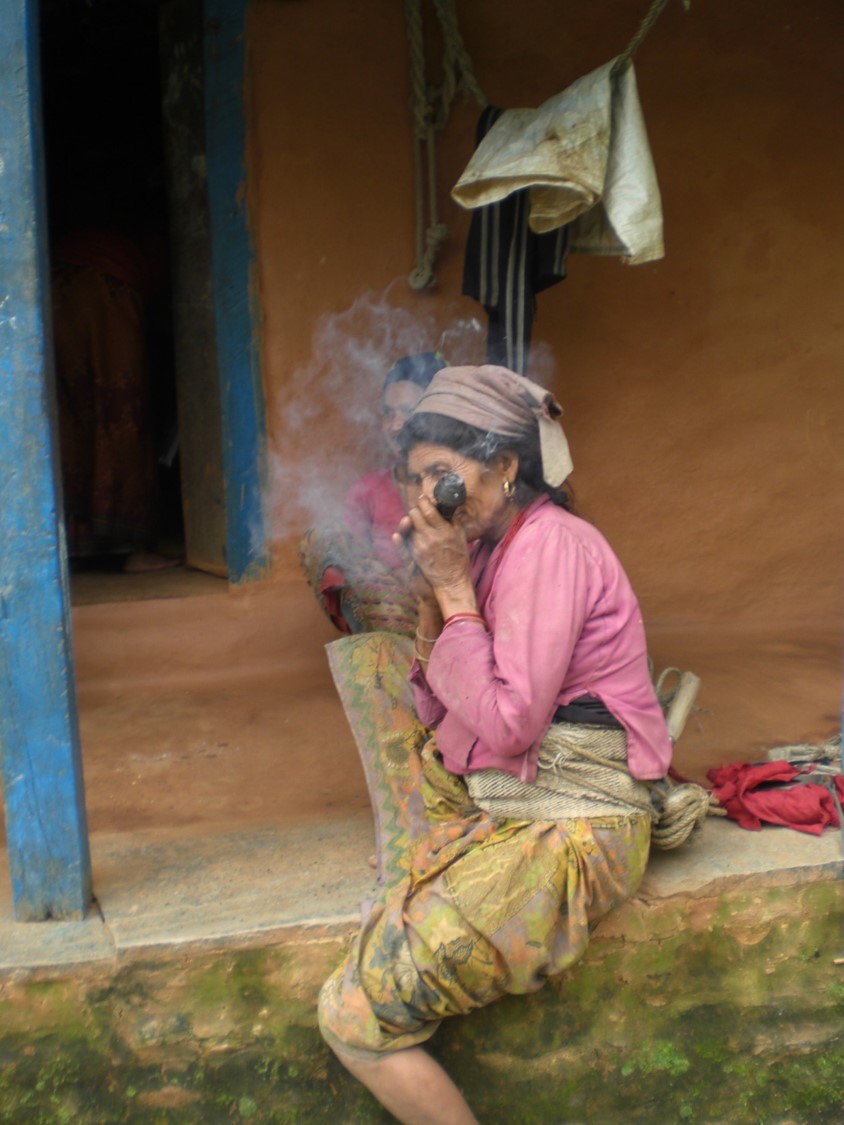
An elderly woman smoking Kakkad (pipe) in Dailekh.
By being his own publisher, he has presented Nepal exactly as he saw it, without any commercial filters.
In the end, this is not merely a coffee table book of pretty landscapes. It is a pictorial record of the nation’s soul. KC specifically targets students and teachers as his primary audience, hoping the next generation of ‘torchbearers’ will see the country for what it truly is.




 26.12°C Kathmandu