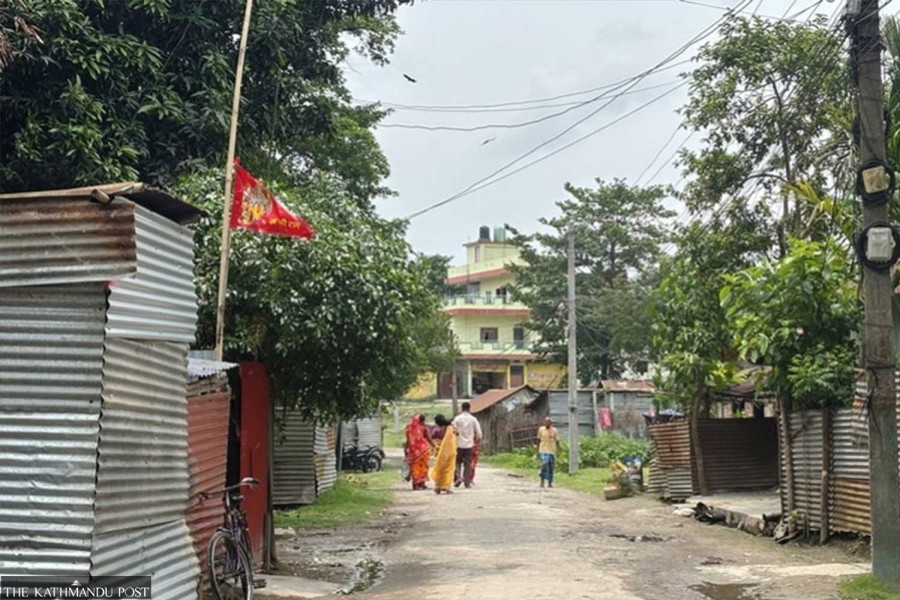
A large settlement stretches along the banks of the Singhiya river in ward 1 of Biratnagar Metropolitan City, from Ghina Ghat to Hathkhola. More than 2,000 squatter families live in Paropakar Ghat, Ganga Tole, Kushal and the surrounding areas. These are dense settlements near Hanuman Temple in ward 2 and in Basta Tole in ward 4.
Residents said they have been alarmed after watching footage of eviction drives carried out by Kathmandu Metropolitan City along the Bagmati river. The recent demolition of riverside settlements in the Capital has deepened fears among people living along the riverbank that a similar operation could be launched here.
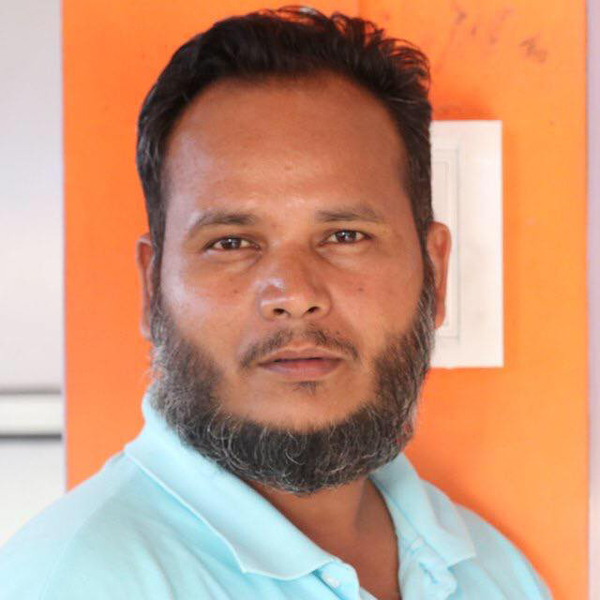
Sixty-six-year-old Farok Sheikh of Paropakar Ghat in ward 1 said he has been unable to sleep, fearing bulldozers could roll in at any time. He has lived along the Singhiya riverbank for more than 30 years. “We keep thinking when the bulldozers will come and demolish our homes,” he said. “We voted, expecting proper resettlement. Now they are talking about evicting us instead.” Sheikh warned of resistance if authorities proceed without alternatives. “If they want to remove us, they must first arrange another place for us. Otherwise, we will not move,” he said.
Sixty-six-year-old Lal Bahadur Khadka, who has lived there since 1994, said the government appears more focused on eviction than on solving the underlying problem. “We voted for established parties many times in the past. This time too, we voted for a new party expecting solutions. Now I am hearing that the same government we voted for is planning to evict us,” he said. Around 100 squatter houses are located only in the Paropakar Ghat area. Most residents depend on daily wage labour and say they have neither adequate housing nor stable livelihoods.
Resident Haridev Mandal said the settlement did not emerge overnight. “We started settling here around 1993–94. It was all forest back then,” he said. “We did not just occupy land. We have lived here for years after years of struggle and investment.” He said successive political parties had repeatedly promised land ownership certificates. “Now hearing about eviction instead is very painful,” he said.
Land rights activists estimate that more than 7,000 squatter families are living on government-owned land within Biratnagar Metropolitan City, most of them from Dalit, poor and marginalised communities.
The District Administration Office, Morang, however, says the exact number of genuine squatters in Biratnagar has not been confirmed. It estimates that over 10,000 squatter families may be living on both public and private land across the district. The administration has begun identifying both “genuine and fake” squatters.
Chief District Officer Yuvaraj Kattel said that detailed data collection is underway at the local units. “We have already started action. Notices have been issued to remove 58 houses in Letang,” he said. “Action will begin in other areas soon as well.” He added that all local units have been instructed to assist in identifying squatters. “We are examining up to three generations and also checking bank balances,” he said. “We will distinguish genuine from fake squatters and proceed with action.”
Residents said both fear and anger are rising inside the settlements. “We want the right to live with dignity,” said Hari Shankar Prasad Sah of Basta Tole in ward 4. “We are not asking to stay in unsafe conditions, but we must be properly resettled instead of being forced onto the streets.”




 14.01°C Kathmandu