



 17.6°C Kathmandu

Thu, Oct 22, 2026
Opinion
Question them
Supporting the new government is vital but vigilance is needed to prevent yet another political disaster.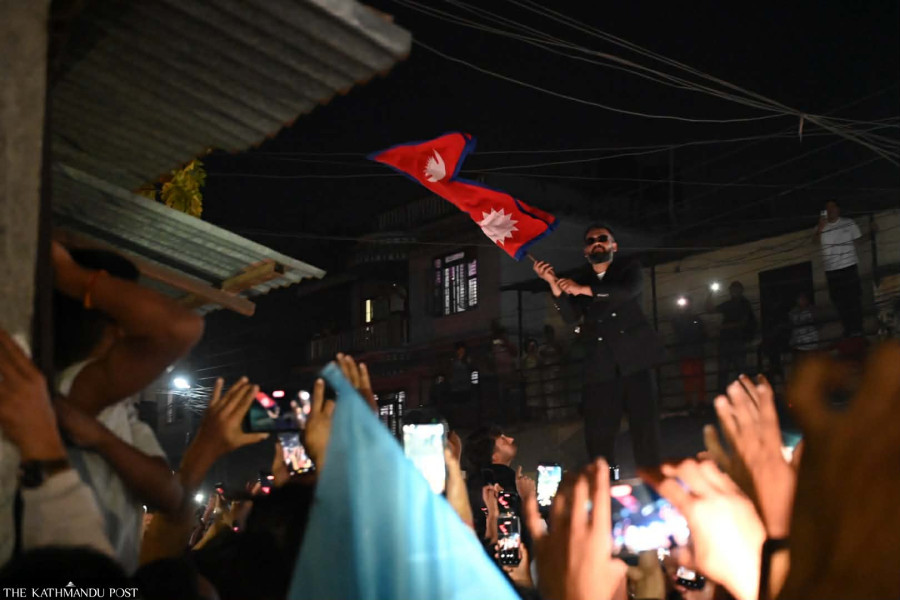
bookmark
Sugam Gautam
Published at : March 11, 2026
Updated at : March 11, 2026 06:45
Currently, there is an excitement in the Nepali air, thanks to the parliamentary elections that have at last instilled new hope in people. To the old outfits’ distaste, the election results have unexpectedly swayed in the Rastriya Swatantra Party’s (RSP) favour. While the RSP views it as a victory, it can serve as a lesson for others.
First of all, the RSP’s victory is a punishment imposed by the public on the old parties that have time and again failed to deliver on their promises of effective governance and sound service delivery. If the old parties had stood by their promises, the alternative forces, including the RSP, wouldn't have emerged at all. The birth of these alternative forces is directly related to the perennial recklessness of the traditional parties. For now, the identity of the RSP is only linked with the notoriety of traditional parties. We are yet to understand the RSP’s grounds on several important issues.
Delving into the current election results, what’s apparent is that people have voted in the RSP's favour out of sheer frustration with old forces. The public has become disenchanted to the extent that they now only need a stable government. The common voice among the public is that at least someone should be allowed to complete a five-year term in government without interruption. This time, the citizens have trusted the RSP to take charge. What needs to be understood is that there's no rocket science behind the RSP’s sweeping victory; the public has felt that it's the only party that is left to be tested. Also, the last-moment entry of Balendra Shah has further bolstered the RSP’s stance in national politics, attracting the younger generation.
To everyone's surprise, some deserving candidates from traditional parties have also lost the election, owing to the growing hatred for the old leaders. For instance, Gagan Thapa, who had revolted and forced his way to the party chair of the Nepali Congress, will also not be seen with his thundering speeches in the parliament.
Interestingly, this election has opened the door for young leaders—a new phenomenon in Nepali politics that used to be a playground of three septuagenarians for a decade or so. The presence of fresh faces in the parliament aligns with the mandate of the Gen Z revolution. The majority government that once looked elusive has also come to life with the RSP’s clinical performance in the election. The leaders under the RSP government will be inexperienced, yet they will have a clean history to brag about. If they can stay away from corruption and cronyism, it will be enough in the initial phase. Moving ahead, they need to come up with some impactful work capable of making a difference in people's daily lives.
On the citizens’ part, everyone, including the RSP rank and file, needs to pose questions and seek accountability at every step. If the citizens fail to ask questions to the RSP, we will be experiencing a déjà vu, and only the characters will be different this time. It will be in everyone's goodwill that we support the new government, yet remain watchful to prevent yet another political disaster.
Sugam Gautam
Gautam is a writer from Pokhara.



Editor's Picks





E-PAPER | October 22, 2026

×