



 24.12°C Kathmandu
Thu, Aug 20, 2026
Opinion
Hidden cost of voting
Exercising the right to vote requires time, money and flexibility: Privileges not everyone has.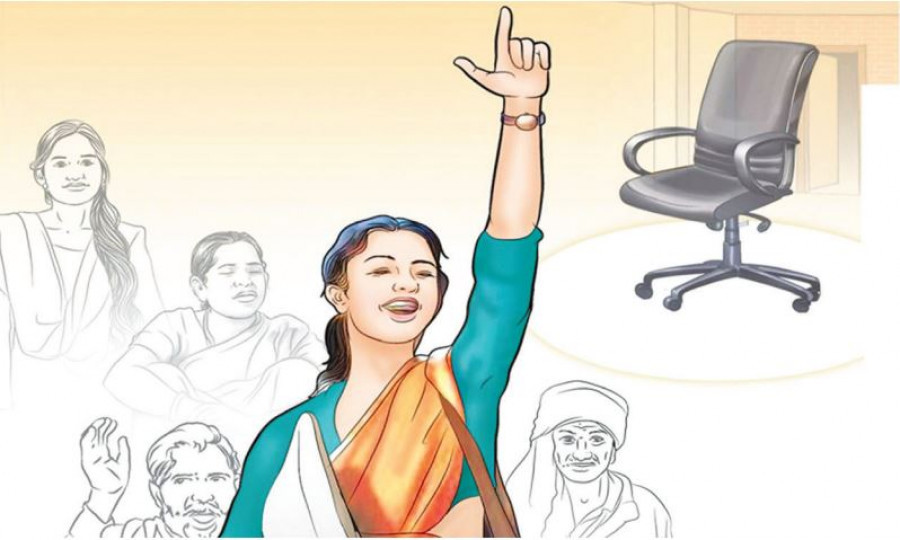
bookmark
Jina Shrestha
Published at : March 6, 2026
Updated at : March 6, 2026 12:12
Democracy tells us that voting is a right. But for many citizens, voting is expensive. Kathmandu is home to approximately 3.5 million people. Yet only around 700,000 are registered voters in the capital. This gap reveals that the majority of people living in Kathmandu are internal migrants. When elections arrive, they are expected to travel back to their home constituencies to cast their vote. But can everyone afford to do that?
Reports suggest that nearly 800,000 people left Kathmandu as elections approached. The bus parks were crowded, highways packed, and social media flooded with photos of citizens heading home to vote. Yet millions remained in the valley. Are they politically indifferent? Or is the answer more complicated?
While heading home in a rideshare, a rider recently asked me casually, “Are you going to vote on your own? Aren’t the candidates paying your travel costs?” The question startled me. Elections do not work that way; as responsible citizens, we vote for the candidate and party we believe deserve to represent us in parliament. This is not a transactional process; it is a democratic responsibility. The rider shared that he is from Itahari and wouldn’t be able to afford to vote, even if he wanted to.
That was the reality check. For many people, voting is about choosing between participation and survival. Kathmandu is not a city people migrate to for leisure. It is Nepal’s economic hub— a place where thousands work as daily wage earners. Missing even one day of work means losing income. Travelling to their home district often requires high transportation costs, food expenses and lost wages. For a daily wage worker, that cost is the difference between eating and not eating.
We often criticise low voter turnout among urban migrants and label them irresponsible. But what if it is not apathy? What if it is economics?
The Constitution guarantees citizens the right to vote. Yet in practice, exercising that right requires time, money and flexibility: Privileges not everyone has. Internal migrants must either permanently transfer their voter registration, which is often bureaucratically difficult, or travel long distances every election cycle.
When democracy becomes expensive, participation becomes unequal. Voting remains a crucial civic duty. But responsibility cannot exist in isolation from reality. Nepal must begin discussing solutions seriously. Absentee voting, temporary voting centres for internal migrants, simplified voter registration transfer systems, or even early voting mechanisms could make participation more accessible. Many democracies around the world have adopted flexible voting systems to ensure that mobility does not become disenfranchisement.
If we truly believe that sovereignty lies with the people, then the system must adapt to the lives people actually live. If voting remains financially burdensome for millions of internal migrants, we must ask ourselves an uncomfortable question: Is the system truly inclusive or only accessible to those who can afford it?
.png&w=200&height=120)

Editor's Picks
Who owns basmati? Nepal enters a global battle over a prized grain
Widespread server crashes point to Nepal’s digital state failure

As Nepali women’s choices expand, marriage becomes an option
.png&w=300&height=200)
As AI-generated covers spread, Nepali musicians fight to reclaim their voices
Nepal’s federal security gap: Provinces have constitutional authority, CDOs exercise real power
E-PAPER | August 20, 2026

Enter The Kathmandu Post
Advertisement

×