Nearly 2.6 million smart driving licences printed as backlog cleared
A new digital licensing system is set to launch in mid-July, while over 300,000 licences nearing expiry will be issued only after renewal. Post File Photo
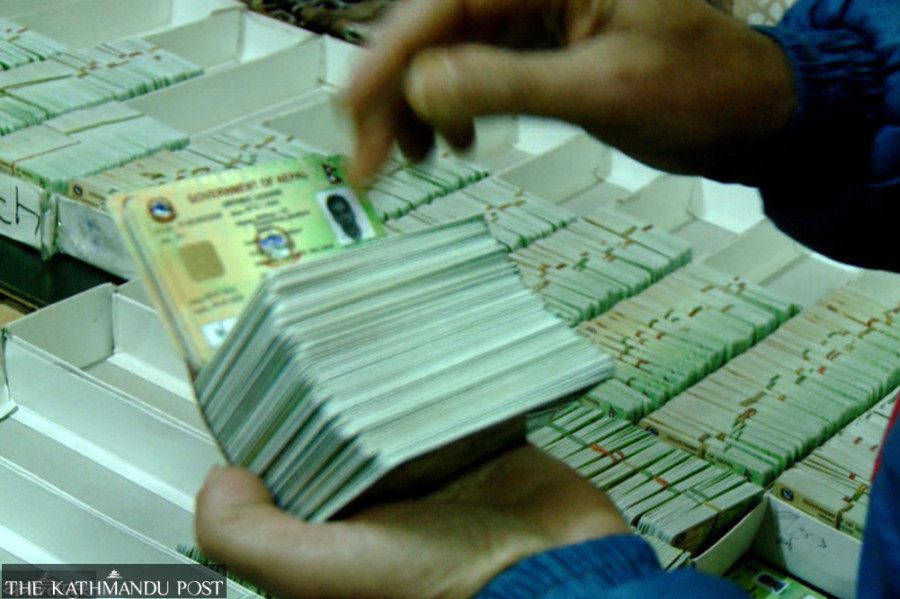
Nearly 2.6 million smart driving licences from a backlog of 2.9 million applications have been printed within eight and a half months of an agreement between the Security Printing Centre and the Department of Transport Management (DoTM).
The centre has printed 2,592,417 licence cards in two phases. Of the remaining applications, 307,583 licences have less than a year of validity left.
The DoTM said these licences will be printed only after applicants renew them. According to Dev Raj Dhungana, executive director of the Security Printing Centre, all eligible licence cards have been printed based on the data provided by the department.
The first agreement between the centre and the DoTM was signed on October 29, 2025, to print 1.2 million licence cards by April 25. After completing the first batch on schedule, the two sides signed another agreement on April 17 to print an additional 1.7 million backlog licences by July 16.
“We have printed all the cards included in the second batch of data provided by the department,” Dhungana said. “The remaining printed licences will be handed over to the department by mid-July, clearing the backlog.”
The centre currently receives data for 3,000 to 4,000 applicants each day, including those who have passed driving tests and those renewing their licences.
Dhungana said the DoTM will continue to coordinate data management for the time being. In the future, the printing centre will sign printing agreements directly with all seven provincial governments, although the data will continue to be routed through the department until the transition is complete.
“A formal agreement will be signed once a decision is made on whether the department or the provincial governments will bear the printing cost,” he said. “The department will continue to manage the system until the provinces are fully integrated.”
Regular licence printing continued even as the backlog was being cleared. During the first phase, the centre printed 37,698 urgent licences and 31,227 regular applications. In the second phase, it printed another 4,881 urgent licences and 229,918 regular applications submitted after driving tests or renewals.
“With the backlog cleared, applicants completing new driving tests or renewing their licences after mid-July will receive their smart cards without delay,” Dhungana said.
The printed cards are sent to the DoTM, which distributes them through the postal service to 42 transport management offices across the country.
Keshav Khatiwada, director at the department, said all data except licences with less than a year of validity had been sent for printing.
“Initially, we estimated that between 300,000 and 350,000 licences fell into this category. After verification, the figure came to 307,583,” he said.
Khatiwada said printing such licences was considered impractical because many would require renewal shortly after being issued, resulting in additional costs for both the government and service seekers. However, he said they could still be printed if required by law.
Under existing provisions, renewed driving licences are valid for 10 years. The extended validity period replaced the previous five-year term on July 30, 2025. Khatiwada said provincial governments will now assume responsibility for licence printing.
New system from July 17
The Department of Transport Management plans to replace its existing licensing platform with the Electronic Driving Licence and Vehicle Registration System (EDL-VRS) from July 17.
“The current system has become outdated, and the new platform represents a major upgrade,” Khatiwada said.
Under the new system, applicants will be able to pay renewal fees online. Medical examinations will also be digitised, with authorised doctors uploading reports directly to the system.
The department also plans to coordinate directly with the Department of Postal Services so that printed licences can be delivered to designated distribution points more efficiently.
Khatiwada said the department’s role will gradually shift towards maintaining the central database, while licence data will eventually flow directly from provincial transport offices to the Security Printing Centre for printing.
He said applicants would no longer have to wait in a long printing queue once their fees had been paid.
Since 2022, shortages of smart licence cards forced many motorists to carry revenue receipts instead of physical licences.
Despite progress in printing, applicants continue to face long queues at transport management offices, particularly in the Kathmandu Valley, to collect their licences. Transport offices have faced criticism for failing to streamline the distribution process.




 25.92°C Kathmandu