NHRC finds organised misuse of technology during September protests
AI-generated content, fake police social media pages and hacked school digital platforms were used to spread misinformation and mobilise protesters, according to the commission’s report.
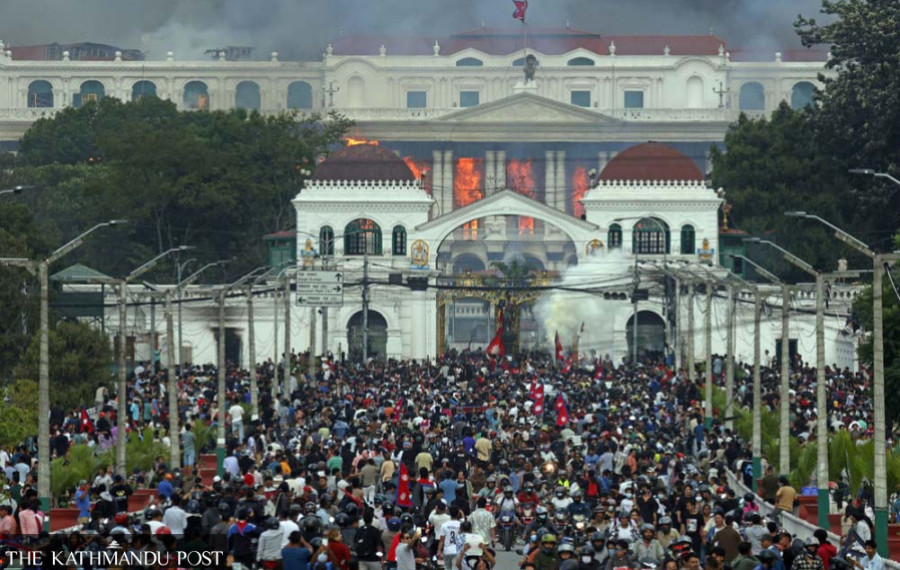
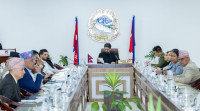
The National Human Rights Commission (NHRC) has concluded that technology was systematically misused to turn the September Gen Z protests violent and destructive.
According to its investigation report, technology was used as a “weapon” to psychologically prepare protesters for violence and mislead security personnel.
The commission said AI-generated photos and videos showing Parliament building, Singha Durbar, and other key state structures being burned or destroyed had already been circulating on social media before the demonstrations began.
The report said such content helped spread confusion and inflame public sentiment.
According to the commission, evidence gathered from media reports and statements during discussions suggested that while one group had been preparing for peaceful demonstrations, another group had simultaneously been making online preparations to turn the protests violent.
“Analysis of the facts and circumstances, including AI-generated photos and videos showing Parliament building, Singha Durbar and other public structures being burned or vandalised before the demonstrations, indicates that two groups were involved in preparations—one seeking to organise peaceful protests and another planning destructive activities online,” the report said.
The report identified a fake Nepal Police Facebook page as one of the most serious examples of technological misuse during the protests.
Posts on the fake page claimed that the Nepal Police could not use force against students wearing school uniforms and urged participants to attend the protests in uniform.
“The fake Nepal Police Facebook page appears to have deliberately spread misleading content among protesters and attempted to use students as a ‘human shield’ by encouraging their participation,” the commission said.
The report said the misuse of technology extended beyond fake social media accounts.
Some individuals were also found to have hacked digital boards and websites of various schools. According to the commission, the hacked platforms displayed slogans such as “No More Screens, We Are on Streets” and “We Don’t Want Likes, We Want Change” to encourage students to join street protests.
The commission also found that a TikTok account named “Wake Up Nepal” had publicly called on people to bring Molotov cocktails, or petrol bombs, to the demonstrations before the protests began.
According to the report, such activities indicated organised attempts to push the protests towards violence.
The commission also questioned why the government and security agencies failed to respond despite what it described as clear warning signs circulating online.
“Even after such content had been widely shared on social media, there is no indication that security agencies made efforts to disable those accounts or counter the misinformation,” the report said. “This reflects weak preparedness within the security mechanism.”




 24.28°C Kathmandu