Money laundering probe pulls Nepal’s Shanker Group into spotlight
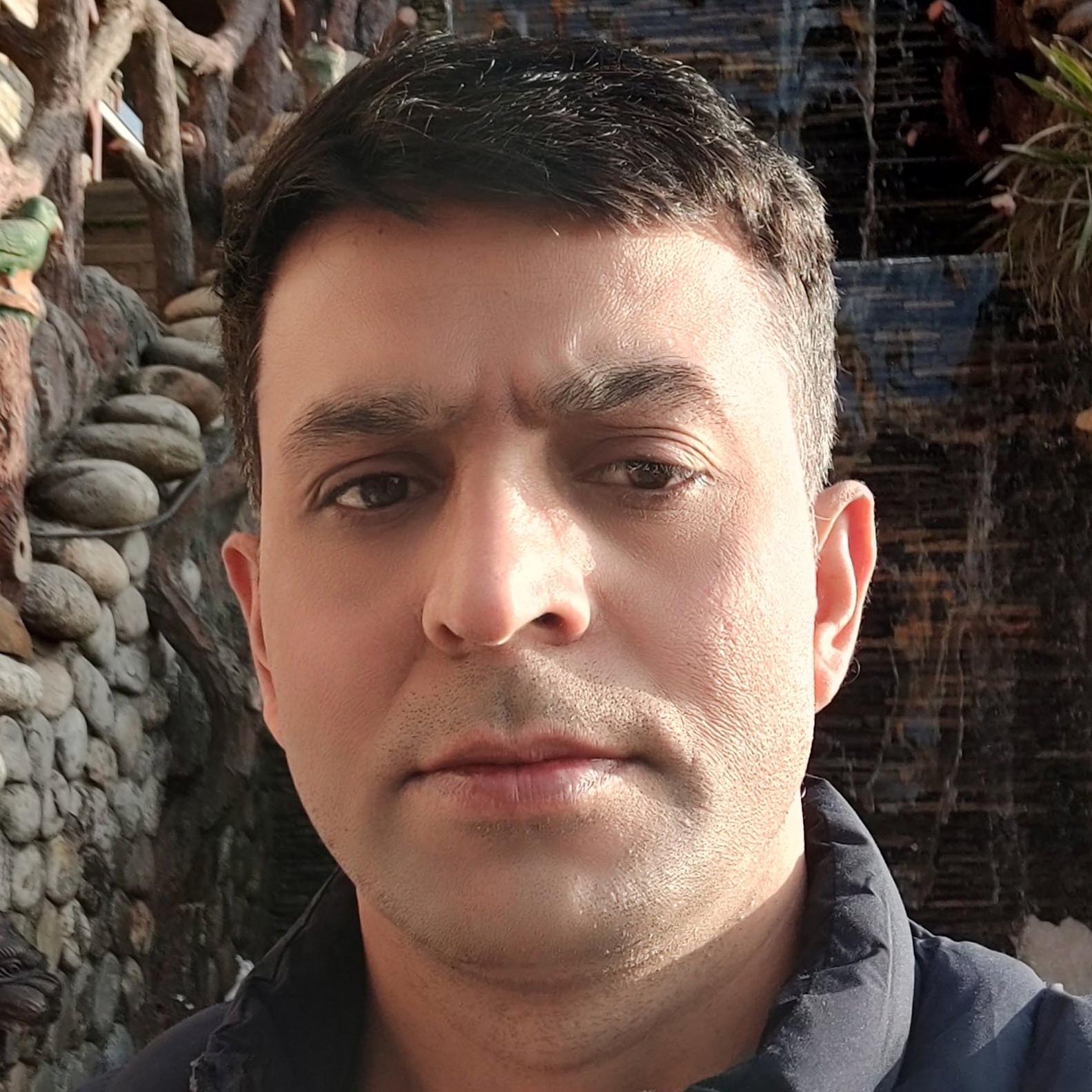
Investigators are examining ties between the conglomerate and businessman Deepak Bhatta, raising questions over political access and transactions spanning billions of rupees.From left, Deepak Bhatta, Shanker Lal Agrawal and Sulav Agrawal.
A widening money laundering investigation following the arrest of controversial businessman Deepak Bhatta has drawn one of Nepal’s oldest corporate houses, the Shanker Group, into its net.
The group’s chairman Shanker Lal Agrawal has already been detained, while police are searching for his sons. Investigators have also brought individuals linked to the group under scrutiny as the probe gathers pace.
More than 40 businesses operated by the group across the country are likely to be directly affected. The conglomerate has an annual turnover of over Rs125 billion and employs more than 15,000 people. Banking sources estimate that companies under the group have borrowed close to Rs200 billion from banks and financial institutions.
Shanker Group traces its origins to 1935, when Rawat Lal Agrawal began importing and selling textiles in Kathmandu’s New Road. The business was later expanded into a major corporate house by his son Shanker Lal Agrawal. The group has continued operations for 91 years.
In 1979, Shanker Lal established the Jagdamba Group, which later became a key pillar of the conglomerate. His sons, Sulav Agrawal and Sahil Agrawal, subsequently joined the business. Sahil currently chairs the Jagdamba Group, while Sulav heads Jagdamba Holdings.
The group’s core companies include Jagdamba Steels, Jagdamba Motors, Saurya Cement, Riddhi Siddhi Cement, Union Life Insurance, Himalayan Reinsurance, Jagdamba Enterprises, Jagdamba Flour and Agro, Jagdamba Mobiles, Jagdamba Alco Bev, Jagdamba Overseas, Modikhola Hydropower, Balephi Hydropower and Jagdamba Hire Purchase. These businesses operate across Kathmandu Valley and industrial hubs such as Jeetpur, Simara, Bhairahawa, Lumbini and Parwanipur. According to the company’s website, the group recorded total transactions exceeding $1 billion in 2020-21.
Jagdamba Steels, established in Simara in 1994, remains a major player in Nepal’s steel market. Industry estimates suggest it accounts for more than 20 percent of the country’s total rebar trade.
Fallout from Bhatta ties
Authorities say the group’s troubles escalated after its association with Bhatta. Sulav Agrawal has already been drawn into the money laundering investigation, while no formal details have been made public regarding Sahil Agrawal.
Home Minister Sudan Gurung recently published a list of 10 individuals said to have been arrested, including former prime minister KP Sharma Oli and Sulav Agrawal. However, the Department of Money Laundering Investigation, the Central Investigation Bureau and Nepal Police have not officially confirmed these arrests.
A department official said there is information that Sulav has been detained in India and is being brought to Nepal by land. Police are expected to confirm his arrest once he arrives.
Jagdamba Group alone has taken loans exceeding Rs30 billion from banks and financial institutions. Including businesses jointly operated by Bhatta and the Shanker Group, total exposure is estimated to be around Rs100 billion, according to banking sources.
Before its association with Bhatta, the group was operating independently and generating substantial profits, but lacked strong political connections. Bhatta is believed to have filled that gap. The relationship allowed Bhatta easier access to liquidity, while the group benefited from expanded political reach.
The story of how Bhatta and the Shanker Group came together is notable. It was during the Covid-19 pandemic, when there was a severe shortage of thermal guns used to measure fever.
On April 7, 2020, Sulav was arrested on charges of black marketeering thermal guns. Police alleged that thermal guns costing Rs5,000 were being sold for Rs15,000. At the time of his arrest, police recovered 67 thermal guns from his possession.
Sulav also served as the honorary consul of Kyrgyzstan.
During the lockdown imposed to prevent the spread of Covid-19, movement was heavily restricted, with both public and private transport banned. However, Sulav allegedly misused his position and privileges by using a diplomatic vehicle with a blue number plate.
Police concluded that he may have used the diplomatic vehicle to avoid checks and restrictions, as such vehicles were not subject to routine inspection. He was arrested before the goods could be delivered.
After Sulav’s arrest, the group truly realised the importance and absence of political access. The charges under which he was arrested did not significantly affect the group’s business operations. However, the arrest dealt a serious blow to the reputation the group had built over decades of effort.
Bhatta used his political connections to secure Sulav’s release. This was considered a major favour for the Shanker Group.
Following this, a business partnership began between Bhatta and the Shanker Group. However, this partnership was neither formal nor documented. Bhatta provided political access and arrangements, while the group provided financial backing.
The partnership proved particularly influential in the insurance sector. Before 2014, Nepal did not have a domestic reinsurance company, leading to significant capital outflows. On November 7, 2014, the government and insurance companies jointly established Nepal Reinsurance Company.
According to sources, the Shanker Group had long sought entry into this sector. With Bhatta’s backing, former bureaucrat Surya Prasad Silwal was appointed head of the then Insurance Board. Sources claim the objective was to secure licences for reinsurance and insurance companies aligned with the group.
“They managed to achieve both goals during his tenure,” a source said, adding that the group acquired a reinsurance licence and several micro-insurance licences.
This led to the establishment of Himalayan Reinsurance in 2021 with a capital of Rs10 billion, in which both Bhatta and the Shanker Group are major investors.
Policy influence and financial irregularities
The collaboration extended beyond business ventures. Authorities suspect the group influenced government policy to secure favourable provisions.
In the 2021-22 fiscal year, a supplementary budget introduced by then finance minister Janardan Sharma included tax exemptions on sponge iron, a key raw material for steel production. Critics said the policy disproportionately benefited Jagdamba Steels.
Similarly, on the eve of the 2022-23 budget announcement, reports emerged that intermediaries had entered Singha Durbar and altered tax rates to favour vested interests. Bhatta and the Shanker Group were linked to those allegations.
These developments have reinforced claims that the group benefited from undue advantages through its association with Bhatta. Financial records from the time also show suspicious transactions in accounts linked to both parties.
Questions have also been raised over investments in Himalayan Reinsurance. Nepal Rastra Bank had, as early as 2021, asked the Department of Money Laundering Investigation to examine the source of funds and identify the ultimate beneficiaries.
The current investigation stems from those earlier concerns. The central bank’s Financial Intelligence Unit flagged irregular transactions between Shanker Group entities and Bhatta-linked firms between 2020 and 2022.
One such transaction involved Rs450 million transferred in June 2021 from an account linked to Jagdamba Steels at Nepal Investment Bank to Bhatta’s account at Siddhartha Bank.
Audit reports for Jagdamba Steels for 2020-21 also showed financial dealings worth Rs450 million with Bhatta and his companies. Additional transfers totalling over Rs301 million were made into Bhatta’s overdraft account in June and July 2021, from which Rs450.4 million was later withdrawn.
According to the central bank, Bhatta invested the same Rs450 million in Himalayan Reinsurance.
However, the transaction was not disclosed in Jagdamba Steels’ financial statements, raising further suspicion.
“The funds deposited into Bhatta’s account were transferred to Infinity Holdings, where he is the sole shareholder, and then invested into Himalayan Reinsurance through three cheques on July 1, 2021,” the Financial Intelligence Unit said in a communication to investigators.
Following this, the department recorded Bhatta’s statement and began an inquiry. However, the investigation was halted, reportedly due to political pressure, before concluding.
In April 2025, the department formally decided not to pursue the case further and returned the file to the central bank.
The case was revived after a new government led by Balendra Shah was formed, reopening previously closed files. The renewed investigation has since brought both Bhatta and the Shanker Group back under scrutiny.
Officials say all suspicious transactions involving the Shanker Group and Infinity Holdings are now under investigation.
It remains unclear whether the probe will be limited to joint ventures involving Bhatta or extended to the group’s wider business operations.




 14.72°C Kathmandu