Women take full charge of polling stations in historic first
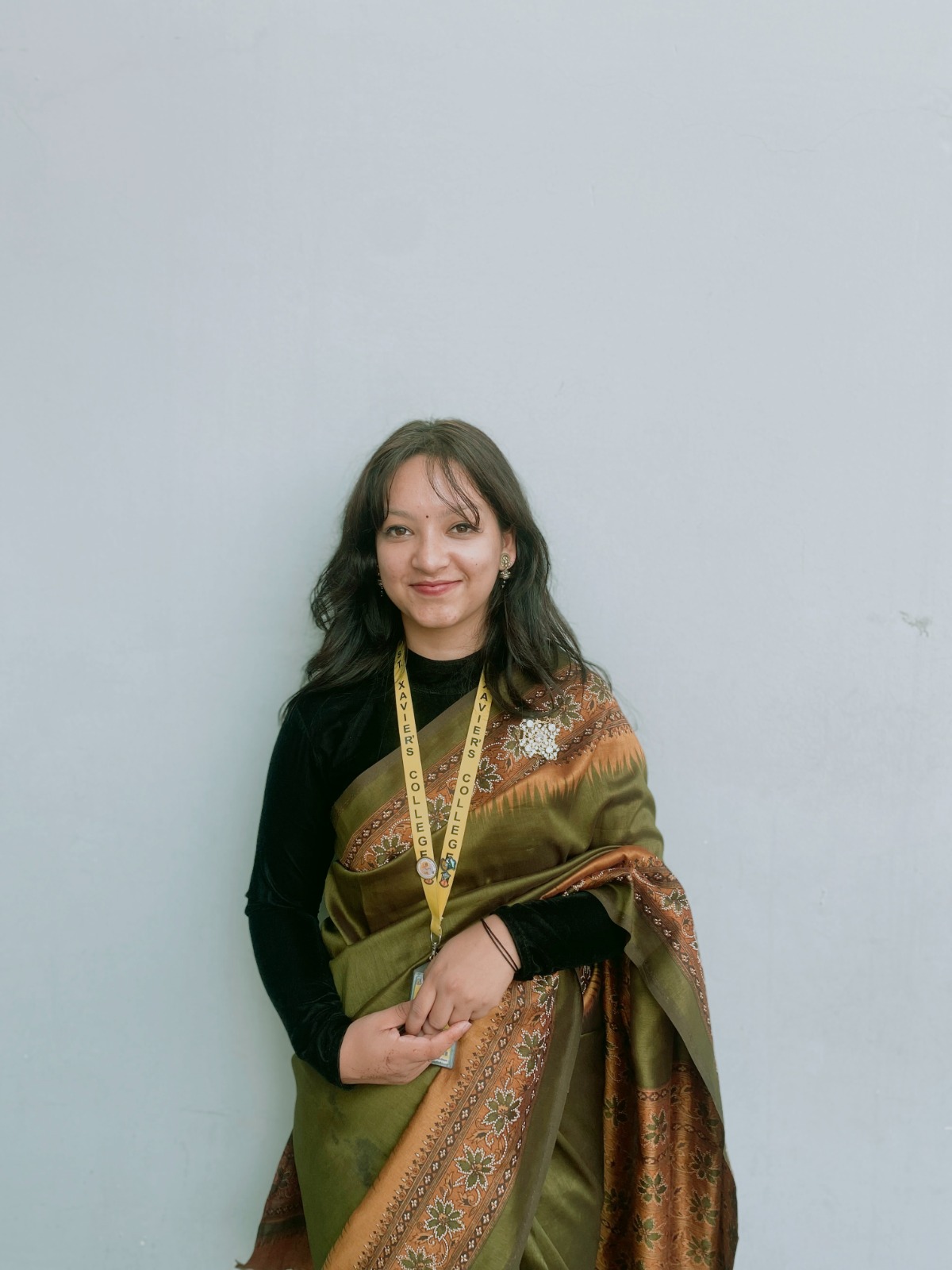
From Kathmandu Valley to Pyuthan, women officers and security personnel are leading several ‘model’ polling centres. All-female election staff, including officers and security personnel, at Janata Secondary School polling centre in Pyuthan on Wednesday. Photo: Courtesy of Gaurav Bhandari
The number of women contesting for first-past-the-post seats in the election being held on Thursday is dismal. But women have made their presence felt in other ways: they have stepped up to lead the election management.
For the first time in Nepal, over a dozen polling stations are entirely managed by women. At polling stations in constituencies across Kathmandu Valley and a few other districts, women hold all poll management posts, from election officers to security personnel.
As many as 12 out of 15 constituencies in the Valley are led by women officers. This highlights a historic shift in how elections are managed, poll officials say.
This, however, is by design. The initiative, described by election officials as ‘‘model polling stations”, goes beyond mere representation. Women are now entrusted with full operational control, overseeing logistics, voter management, and security.
Officials say the move is part of a broader effort to strengthen gender inclusivity in government roles. The initiative provides an opportunity for women to lead every aspect of the democratic process, from preparation to polling day, they say.
‘‘Our country has already had a woman prime minister, President, chief justice, and Speaker,” Kathmandu District Election Officer Thakur Prasad Bhattarai said. “In Kathmandu district, out of ten election offices, nine are led by women. We have made significant progress in inclusivity.’’
He added that ‘‘model centres’’ aim to go beyond token representation, giving women full responsibility for operational and security tasks. ‘‘Instead of just inclusion, we decided to give them complete responsibility,’’ he said, adding that in some locations, including Jadibuti, the entire security team, from commanders to members, is composed of women. He hopes that this practice will be replicated in every other place.
In ward 2 of Kritipur Municipality, under Kathmandu Constituency 10, Election Officer Amrita Kumari Sharma leads one such all-woman station.
‘‘While women-only centres have existed before, this cycle assigns full operational and security responsibility to women,’’ Sharma said, noting that such women-led booths have been established in three municipalities—Chandragiri, Dakshinkali and Kirtipur. ‘‘It’s an opportunity to demonstrate that women can lead at every level, ’’ she added.
In Bhaktapur, an all-woman polling station has been set up at the Agriculture Development Bank Training Centre. In Lalitpur’s Jawalakhel area, six polling centres are entirely managed by women officers.
Beyond Kathmandu Valley, in Bagdula, Pyuthan Municipality, the Janata Secondary School polling station has been designated as a ‘model centre’. The station has two voting centres, 1,192 registered voters, and an all-woman election staff—nine election police personnel, four security officers, and 12 election staff members.
District Attorney of Makwanpur Kalpana Rai, who is leading the women’s team at the poll centre in Jadibuti’s Herbs Production & Processing Company, emphasised the historic nature of this deployment. ‘‘I previously worked at a women-only-booth during the 2013 Constituent Assembly election in Dhankuta Municipality,’’ she said. ‘‘But this cycle feels different because the security personnel are also women.’’
Rai described the preparation as methodical: inspecting the voting centre, coordinating staff, distributing voter ID cards, and attending a one-day orientation organised by the District Election Office. ‘‘Our main focus will be ensuring accessibility for voters with different abilities and maintaining security throughout the day,’’ she said.
‘‘The site is relatively open, so there is a risk that objects could be thrown from outside.’’
However, security arrangements are in place, including army personnel and other officials guarding the centre. Based on these measures and assurances from local representatives, staff, and security personnel, she said she does not expect major issues but emphasised that the team remains cautious.
For younger officers like Saru Tamakhu, 27, serving as Assistant Voting Officer, this marks her first experience in election duty. A government lawyer by profession, Tamakhu described the assignment as both new and meaningful. ‘‘Personally, it feels enjoyable,’’ she said. ‘‘We’re working as a team, with experienced and inexperienced members together.
‘‘I view this as a part of my responsibility as a civil servant and I’m happy to serve my country,’’ Tamakhu said, adding that her family is very happy about this.
Like other officers, she received a one-day orientation covering procedural responsibilities and security coordination. ‘‘Our main work begins tomorrow,’’ she said.
Voters are noticing the change as well. Gaurav Bhandari of Pyuthan, whose mother is assigned to one of the women-led stations, said, ‘‘I’ve heard about this kind of arrangement for the first time. Everyone, from the polling officer to the election police, is a woman. It’s inspiring, and I feel confident in the process.’’
He said, ‘‘It’s not my mother’s first time. She has been involved in elections before but for many other officers, this is their first experience.’’
Bhandari noted that parts of his district are relatively remote and have previously faced concerns such as booth capture.
‘‘Even in such areas, the fact that they are trusting women with full responsibility is a very positive thing,’’ he said.
Officials said they hope the initiative will reinforce public trust and encourage more women to participate in future elections—not only as voters, but also as officials and decision-makers.
While the deployment is historic, officials and staff alike also stress that it should not be viewed as a radical departure from existing practices. ‘‘Many government offices are now led by women,’’ Rai said. “This reflects a growing presence of woman leadership, not a sudden change.’’ In other words, the model polling stations are as much about consolidating progress as they are about breaking new ground.
Election authorities said the model centres will also be evaluated for operational efficiency, voter experience, and administrative coordination, highlighting women’s capacity to manage roles traditionally dominated by men.
‘‘The initiative reflects the country’s evolving approach to leadership within its democratic institutions,” Bhattarai said.
Aarya Chand is a reporter at The Kathmandu Post covering social issues. Before moving to the social beat, Chand was an intern covering culture and lifestyle for the Post.




 14.82°C Kathmandu