A cold wave sweeping across the southern plains has crippled daily life in several Tarai districts. Daily wage earners and people from the impoverished communities are among the hardest hit by the cold. Thousands of daily wage workers are forced to work in biting cold amid falling incomes, rising health risks and inadequate relief.
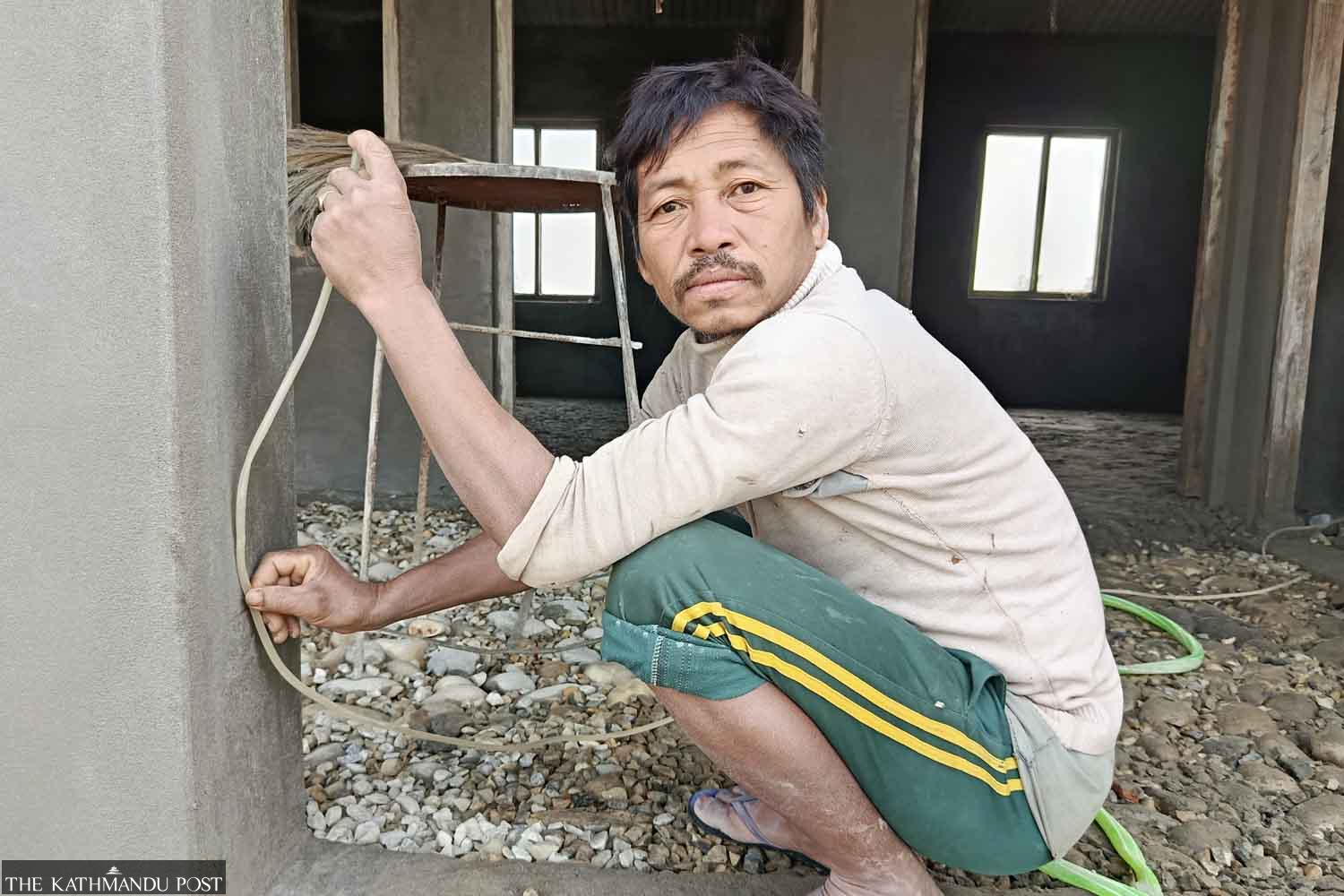
Laxman Tharu, 45, of ward 12 of Gulariya Municipality in Bardiya, complained that he is forced to work as a daily wage labourer even during the bone-chilling cold. “This year the cold has been extreme. The freezing weather makes it difficult even to move our hands and feet, and working in such conditions is incredibly hard. But what choice do I have? Not working is not an option,” he said.
According to Tharu, he bears the responsibility of supporting a family of four, and staying at home would mean going hungry. “No matter how severe the cold gets, I still have to rush out early in the morning to work,” he added.
In previous years, Tharu used to migrate seasonally for labour, sometimes to Himachal Pradesh in India and at other times to Butwal and Chitwan. This year, however, prolonged and intense cold has forced him to stay back in the district and survive on local daily wage work.
Ajabin Kumar, a construction worker from Bihar in India has spent the past two years widening the Jhapa section of the East-West Highway. Until two months ago, he toiled in sweltering heat, longing for winter. Now, as thick fog and icy winds grip the plains, he yearns for summer again. “Since mid-December, the sun has become rare,” Kumar said on Monday while working along the highway. “When we leave early in the morning, the cold numbs our hands. It is getting worse by the day.”
Labourer Laxman Tharu of Gulariya in Bardiya says he has no choice but to work even during the bone-chilling cold due to poverty. Ram Prasad Chauhan/TKP
Traffic along the highway has thinned due to poor visibility. Kumar said he arrived at the worksite at 8:30 am on Monday, nearly an hour late. “It’s hard to start early, but not working is not an option,” he said.
Reduced earnings are also affecting transport workers. Ganesh Rajbanshi from ward 7 of Jhapa’s Mechinagar Municipality who drives an electric rickshaw, said dense fog and cold winds have sharply cut his income. “In winter, people stay indoors. Most days I drive empty,” he said. “On sunny days, I used to earn up to Rs1,000. Now I don’t even make half of that.”
Thick fog has also raised safety concerns. “The highway turns pitch dark during fog. We can barely see, and there is constant fear that faster vehicles will hit us,” said Rajbanshi.
Auto-rickshaw driver Radhe Lodha of ward 9 of Gulariya Municipality in Bardiya echoed similar concerns. “I roam the market all day but find no passengers. It feels as if the cold has snatched away our livelihoods,” he said.
Chief District Officer Gogan Bahadur Hamal said local governments have started distributing firewood and warm clothes. “So far, we have not received serious complaints,” he said, assuring support to the needy people affected by the cold wave.
But for landless labourers like Mahendra Tharu, aged 50, of ward 6 of Bardaghat Municipality in Nawalparasi West, survival remains precarious. Living in a makeshift hut built on the land provided by a landlord, he supports a family that includes a child with disabilities. “The cold wave has continued for 21 days,” he said. “I don’t have warm clothes, but I still have to work.”
In Kapilvastu, 43-year-old Pintu Gupta has not changed his clothes for over a month for a reason. “I don’t have extra ward clothes to wash and wear. I cannot afford new ones,” he said. Sleeping on a wooden bed with a thin blanket provided by the municipality last year, Gupta said, “Days and nights pass, shivering.”
Health facilities across the Tarai are reporting a surge in patients. At Chandrapur Hospital in Rautahat, around 100 children and elderly people seek treatment daily. “The flow of patients is on the rise lately. Most of the patients are suffering from pneumonia, asthma and respiratory complications,” said Abhinandan Sriwastav, advising people to stay warm.
Schools in Rautahat have been closed for three days after attendance dropped sharply due to cold. Chief District Officer Dinesh Sagar Bhusal said firewood and blankets are being distributed to the needy people at major junctions.
When faint sunlight appeared after midday on Monday, 70-year-old Naina Devi from ward 17 of Birgunj Metropolitan City, stepped out of her house to warm herself. “The sun that came out after three days has no strength to warm the body. For elderly people like us, this year’s cold wave has been extremely distressing,” she said.
Naina recalled that last winter had not been so harsh. “Last year, the cold wave did not last more than a week, and the sun would appear every other day,” she said. “This year, it has been unbearable. For the past two weeks, the cold has pierced my bones. Even if the sun is visible today, who knows what tomorrow will bring?”
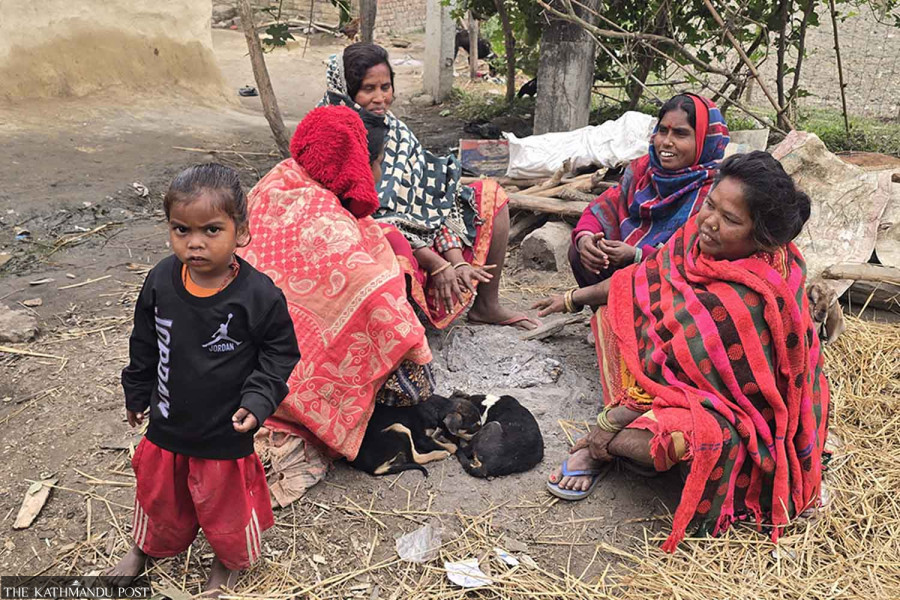
Her neighbour, Panadevi Ram, aged 55, was drying straw in the sunlight on Monday. “For poor people like us, straw is everything,” she said. “We spread it on the floor to sleep on, use it to cover ourselves at night, and rely on it to keep warm by the fire.”
Cold waves routinely hit the Tarai districts each winter, disproportionately affecting landless labourers, Dalit settlements and the urban poor. Despite annual relief efforts, aid often falls short, leaving vulnerable communities exposed. As temperatures continue to plummet in the region, residents fear the worst may still be ahead.
(Nabin Paudel in Nawalparasi West, Manoj Paudel in Kapilvastu, Shankar Sharma in Birgunj contributed reporting)




 13.76°C Kathmandu