In Kathmandu’s Samakhusi neighbourhood in October, a street dog was beaten to death by a group of youths, an act captured on CCTV and later shared online. The footage circulated widely on social media, prompting activists to alert authorities. The Gongbu Police Division confirmed it had registered a complaint after animal rights activist Irfan Khan submitted the footage.
The problem is not confined to the Capital.In November, in the eastern hill district of Khotang, a dog was tied to a tree and hanged by a 44-year-old man until it died. Photographs of the incident appeared online, with some community members praising the act.
However, veterinarian Tula Ram Rajbanshi traced the uploader’s profile, checked his network of friends, identified the location and contacted the District Police Office. A complaint was filed. The police detained the accused for investigation, and the case eventually reached the court.
The man was sentenced to one week in prison and fined Rs5,000.
Under Nepal’s law, cruelty to animals can carry up to three months of imprisonment and a Rs5,000 fine. In this case, the sentence was reduced after the accused admitted guilt and asked for forgiveness. It was the first animal abuse case to reach the court in Khotang.
Rajbanshi has been practising for eight years. He said, ‘‘Animal abuse have increased in recent years not just in Kathmandu but outside the valley too.’'
What has changed, he says, is the nature of the cases.
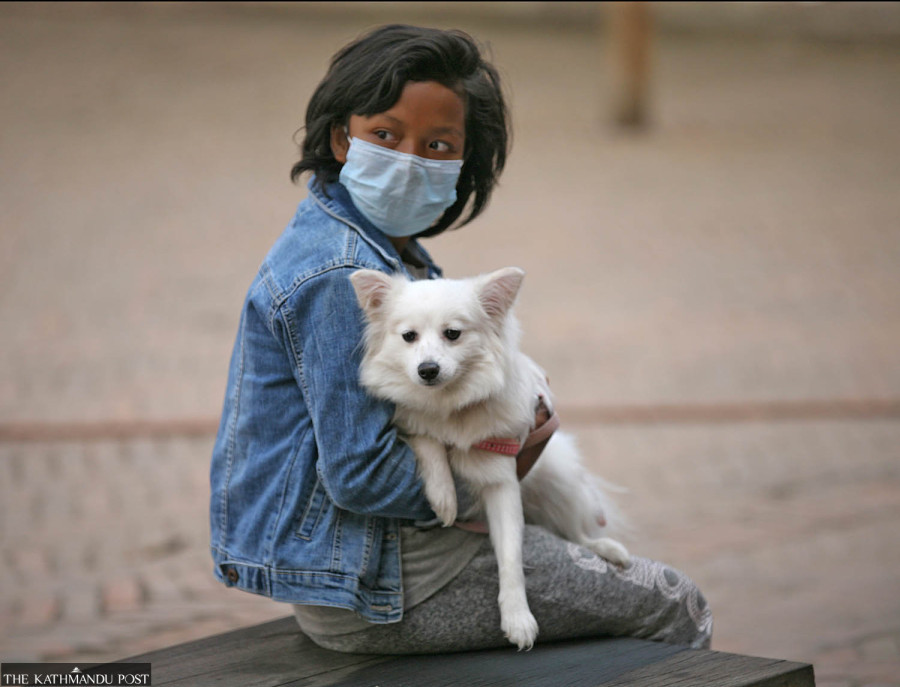
‘‘The most injured dogs I see now are pet dogs, not street dogs,’’ he said. ‘‘People adopt them and later abandon them because of expenses or because they plan to go abroad.’’
Rajbanshi says he regularly treats animals that have been beaten, starved, tied in one place for days or deliberately killed after biting someone. In some cases, animals are stuffed into sacks and thrown into rivers. In livestock, neglect is common: calves are denied milk for a long period, then suddenly allowed to feed, leading to fatal digestive problems.
Dogs, monkeys, mules, donkeys and cows are among the most frequently affected animals.
‘‘Some people know animal abuse is punishable,’’ Rajbanshi said. ‘‘Most don’t. And many witnesses think: If humans don’t get justice in this country, how can the animals get it?’’
According to activists, this lack of awareness, combined with fear of getting dragged into hassle with the police or legal process, keeps most abuse cases from ever being reported.
Rashmi Thapa, an animal rights activist from Sahara Animal Care, an organisation working to rescue animals, says she receives 10 to 20 calls or messages every day about injured, abandoned or tortured animals.
‘‘Abuse is very common, but accountability is rare,’’ she said. ‘‘Outside Kathmandu, it is often normalised.’’
Many witnesses hesitate to report even when they have video evidence. ‘‘They fear they will be dragged into a police case,’’ Thapa said. ‘‘Some send us videos but refuse to follow up. Others don’t report at all.’’
When cases are reported, activists often face resistance.
‘‘Police hesitate to register complaints. Sometimes they don’t know what to do and most of the times they suggest compromise when the accused cries and asks for forgiveness,’’ she said. ‘‘When a person is killed, nobody asks the victim to forgive the murderer. But when it’s an animal, people suggest to give them another chance.’’
Under the Muluki Criminal Code 2017, animal cruelty is a criminal offence. The law prohibits cruel treatment, killing animals in public places, and other forms of abuse, with penalties ranging from fines to imprisonment.
‘‘But enforcement remains inconsistent,’’ said Thapa.
According to Sushant Mishra, Inspector at the Khotang District Police office, his office has handled only one animal abuse case, which is the hanging case of last November.
‘‘Anyone can report animal abuse,’’ Mishra said. ‘‘We need evidence such as witness statements, photos or videos, and the accused’s statement.’’
In the Khotang case, police conducted a site inspection, spoke to community members, questioned the accused and worked with a government lawyer to take the case to court. The accused could legally have been held for investigation for up to 25 days.
Mishra says most cases go unreported because of mindset. ‘‘People think these are just animals,’’ he said. ‘‘Even in this case, the community knew what happened. But the complaint came from someone outside the district.’’
Activists and police agree on one point: documentation matters.
Photos, videos, witness accounts and follow-up increase the chances of action. Still, many cases stall. Outside Kathmandu, police stations often lack training or standard procedures for handling animal cruelty complaints. Municipalities frequently redirect complainants to NGOs.
Thapa stresses that abuse is not limited to public violence.
“Illegal breeding centres, unmonitored neutering campaigns, lack of post-surgical care, this is also abuse,” she said. “Animals die silently, and nobody is held accountable.”
She argues that animal welfare should not be seen only as an ethical issue. “It’s a public health issue, an environmental issue, and a social issue,” she said. “Violence doesn’t exist in isolation.”
Until there is a clear national protocol and consistent enforcement, she says, most cases will continue to disappear without consequence.
“People think they can just pay Rs5,000 and walk away,” Thapa said. “That mindset has to change—because silence is what allows cruelty to continue.”
Aarya Chand is a reporter at The Kathmandu Post covering social issues. Before moving to the social beat, Chand was an intern covering culture and lifestyle for the Post.




 26.51°C Kathmandu