When 29-year-old Priti from Kathmandu finally decided to leave her marriage, it was not because of bruises or broken bones. It was because of years of suspicion, verbal attacks, and relentless emotional control, forms of abuse she had no language for, and which few around her recognised.
“He always checked my phone, questioned what I wore, and even came to my workplace to accuse me,” she said. “I was constantly criticised and made to feel guilty.”
When she tried to report the abuse at a police station, officers dismissed her experience. “They said, ‘Shouldn’t you be thankful he cares?’ treating it like concern, not violence,” she said.
Priti, who the Post is identifying with a pseudonym to protect her privacy, says her experience with the National Women Commission (NWC) exposed a deeper gap. After approaching the commission for legal help, she received a brief consultation and was asked to wait weeks for a follow-up call that never came. “The toll-free helpline rarely worked,” she said. “I didn’t even know counselling was part of the service.”
More than the delays, she says it was the attitude that hurt most. “They were very technical and insensitive, as if rushing to finish the process. I felt completely unsupported.”
She eventually found help through Saathi, an organisation working to address the different forms of violence and discrimination faced by Nepali women and girls. She learned about it from friends rather than any official referral.
Stories like Priti’s are common in Nepal, says psychologist Naresh Gajurel. Psychological abuse is recognised under Nepal’s Constitution and the Domestic Violence Act, 2009. Yet survivors tell him that families, communities, and even some frontline institutions still see violence only when it leaves visible injuries.
“As a result, many victims of emotional and psychological harm struggle to access meaningful support,” he said.
Most counsellors receive only a few months of training, according to Gajurel. “Few are trauma-trained, and many rely on basic communication skills and case management, which is not enough to address psychological abuse.”
Everyone is providing counselling in their own way, he added. “There is no standardisation. At the community level, exclusion, stigma and limited awareness make access even harder.”
He notes that many municipalities depend on health posts and district hospitals and refer cases to One-stop Crisis Management Centres (OCMCs), which provide medical and shelter support but often lack expert psychologists. Gajurel says, ‘‘The absence of trained psychologists means survivors rarely receive proper mental-health support and often mistake basic assistance for counselling.’’
He also warns of burnout among overstretched staffers. ‘‘Counsellors and nurses often act as case handlers, coordinators, and counsellors at the same time and this multiple role makes survivors hesitant to open up and makes counselling less effective.’’
Gender and queer rights activist Rukshana Kapali says legal aid and psychosocial support remain disconnected.
“Lawyers often say, ‘My role is only to give legal advice and for emotional support, go to another room.’ That approach is insensitive,” she said.
Lawyers should receive basic counselling training so that they know how to use appropriate language and avoid making survivors feel blamed, says Kapali
She says harmful questioning persists. ‘‘They ask, ‘What did you do to make your spouse doubt you?’ instead of asking ‘How did this situation develop?’”
Kapali also criticises slow complaint handling. “Delays have worsened survivors’ mental health.” She believes the entire mechanism needs reform.
Activist Chessang Ghising from Queer Youth Group says the current system falls far short. “GBV survivors often face severe trauma, depression, anxiety, even suicidal thoughts, but very few actually receive professional help,” he said.
He says accessibility remains one of the biggest barriers. “Mental-health services are Kathmandu-centric. In rural areas, seeing a psychologist is almost impossible due to distance and cost,” he said.
Yet he sees hope in programmes that combine counselling with skills training. “When survivors gain economic independence—through sewing, beauty training, or other work—they regain dignity and confidence to rebuild their life,” he said.
At the National Women Commission, psychosocial counsellor Tulsa Kumari Katwal Ghimire says they assess survivors for depression, anxiety or anger before deciding on counselling or referring them to hospitals such as Bir Hospital or the National Trauma Centre.
“We offer more than six sessions because survivors don’t open up immediately,” she said. “We provide individual, couple and family counselling, all free of cost.”
But Ghimire acknowledges limitations: “We need more training and more rooms. With limited space and staff, it is difficult to give the best service.”
At the National Human Rights Commission, Human Rights Officer Madhu Sunam says they refer survivors to counselling organisations and hospitals, since the commission itself does not have direct psychosocial services.
“During follow-ups, we assess their condition and refer those needing support to OCMC (one-stop crisis management centres) or KOSHISH, a non-governmental organisation,” she said. “Many expect us to provide shelter or keep them for a day, which we cannot do due to the organisation's own limitations.”
Sunam admits that officers often end up counselling informally despite lacking proper training. “One or two awareness sessions are not enough. We need professional training.”
At the OCMC at the provincial hospital in Damauli, Tanahun, focal person Monika Pariyar says their facility relies on trained nursing staff for psychosocial counselling but lacks psychologists and psychiatrists. “If someone is in trauma or needs therapy, we refer them to Pokhara,” she said. The centre operates 24/7 and provides shelter for up to 30 days, but shortages remain.”
For survivors like Priti, the recognition of psychological violence is only the first step. The greater struggle lies in navigating a system that is still unprepared for trauma that leaves no visible scars.
“Everyone treated my suffering as if it wasn’t real because there were no wounds,” she said. “But psychological abuse hurts just as much—sometimes more.”
As Nepal enters another year of 16 Days of Activism, the system still falls short of protecting those with invisible pain. Unless the country urgently strengthens trauma-informed services, ensures trained psychologists—not just nurses or counsellors—provide complete mental health care, and treats psychological violence as real violence, more women will be forced to endure their suffering alone—silent, unseen, and unprotected, say experts.
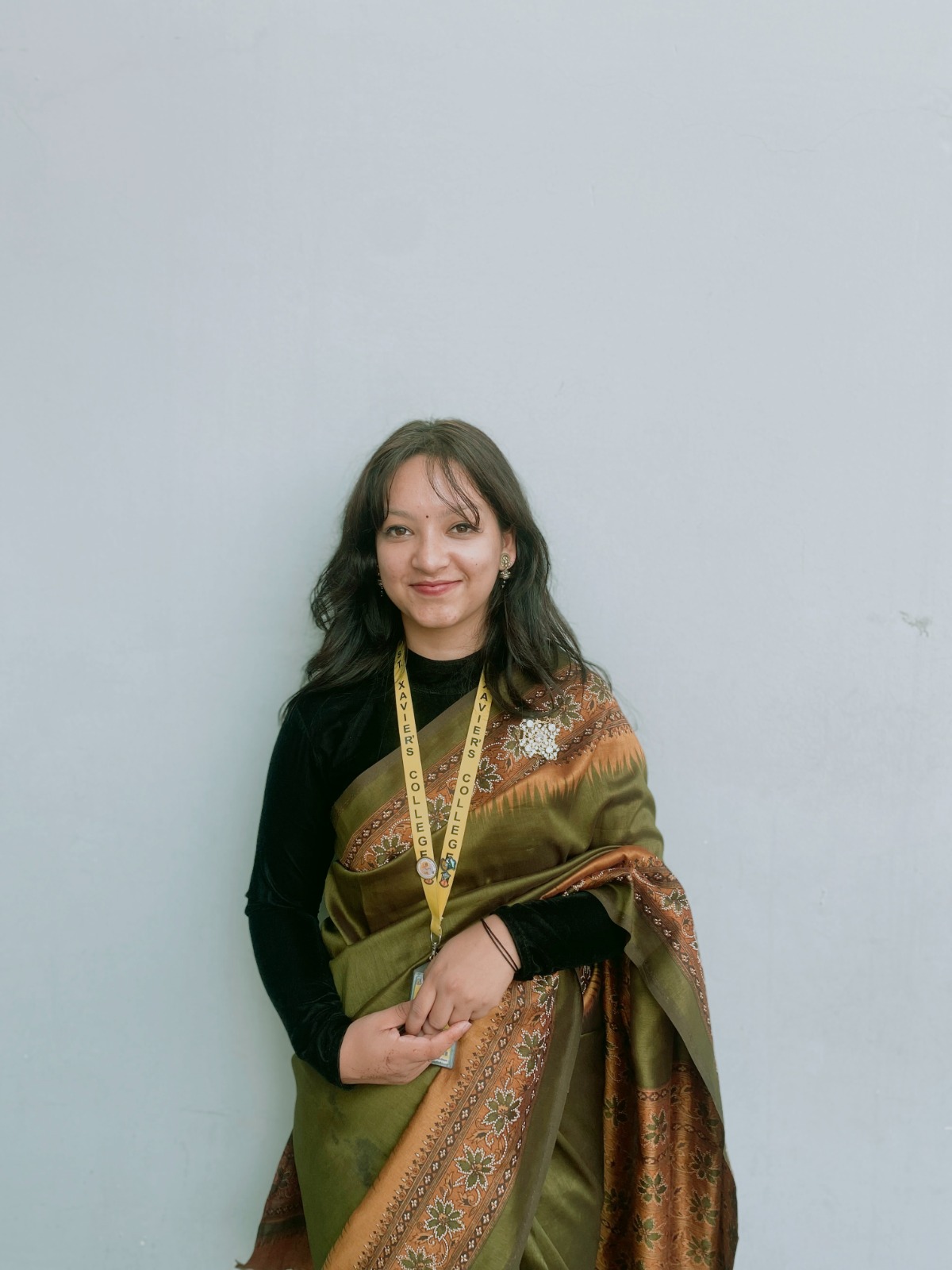
Aarya Chand is a reporter at The Kathmandu Post covering social issues. Before moving to the social beat, Chand was an intern covering culture and lifestyle for the Post.




 19.73°C Kathmandu