



 27.12°C Kathmandu

Thu, Apr 2, 2026
National
Kailali is turning waste into wealth
Far-western district shows how waste and faecal sludge can be processed to ease fertiliser shortages.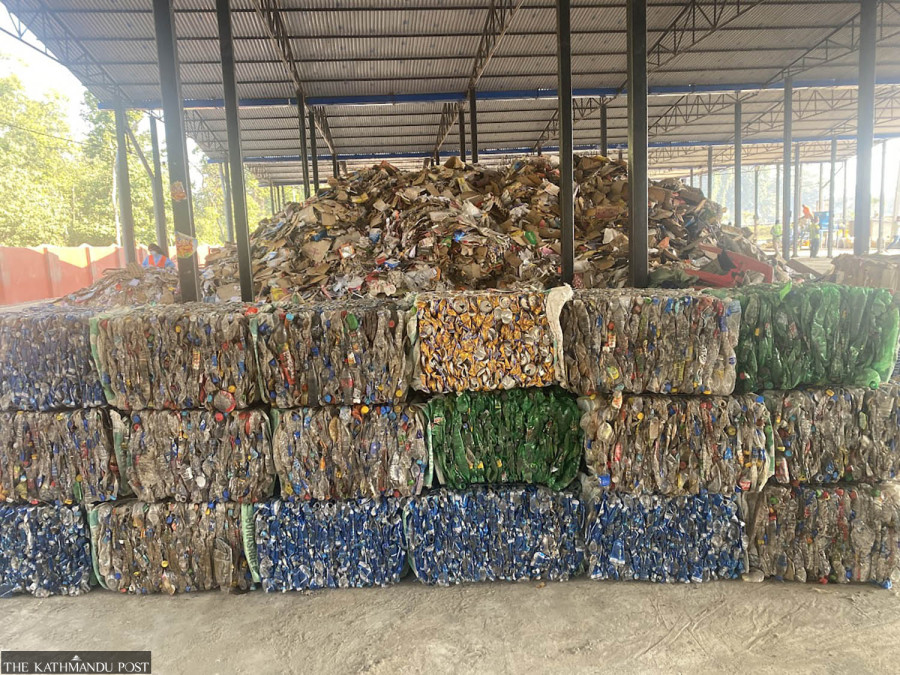
bookmark![]()
Post Photo ![]()
Post Photo ![]()
Post Photo
Sangam Prasain
Published at : December 14, 2025
Updated at : December 15, 2025 07:21
Kailali
For years, motorists and pedestrians travelling along the East-West Highway at Chaukidanda in Kailali would instinctively pinch their noses. Just 1.2 kilometres inside the forest, municipal waste was dumped or burned, creating a persistent stench and an environmental hazard that villagers had reluctantly learned to live with.
That habit has quietly disappeared over the past four months.
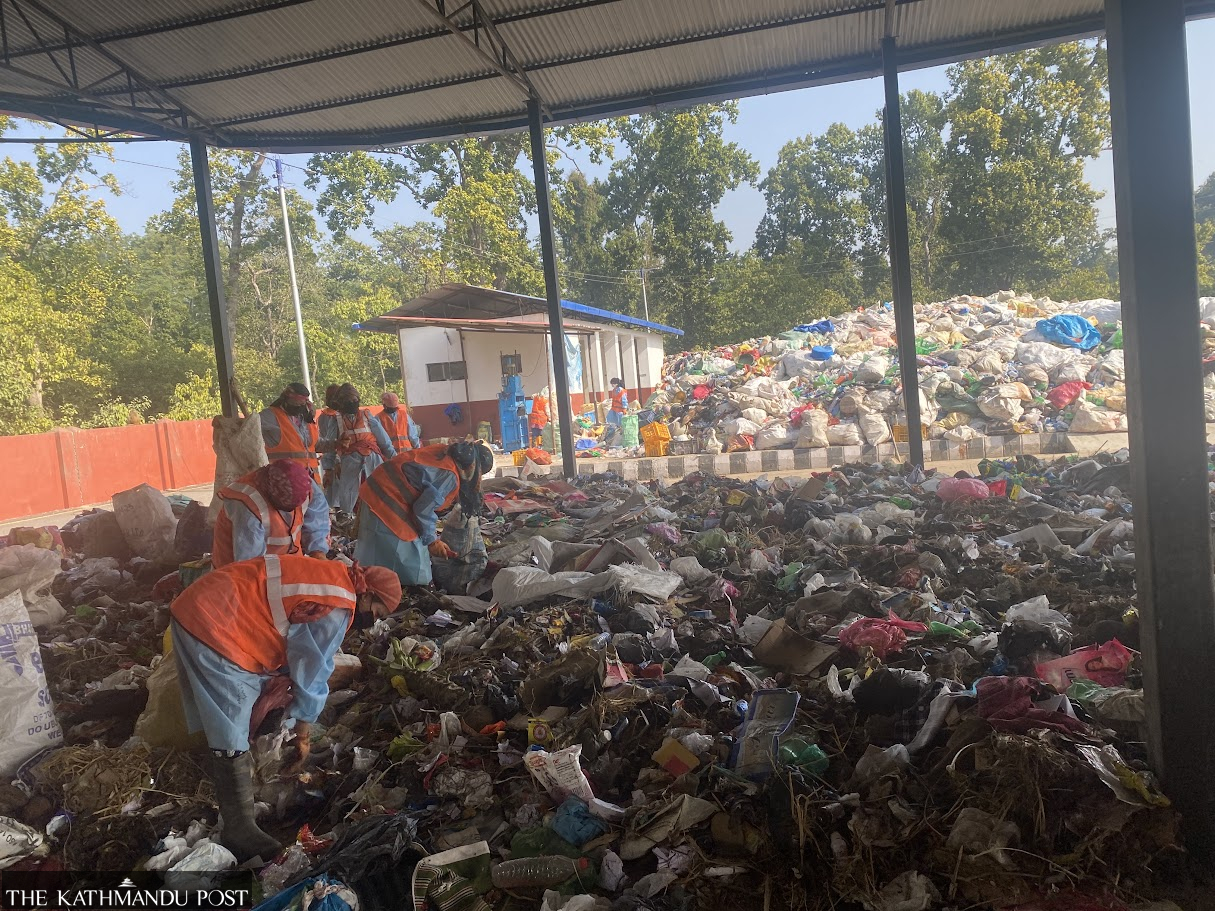
The jungle that once hosted a growing mountain of garbage no longer reeks. The reason lies a few kilometres away: an integrated solid waste management and faecal sludge treatment plant in Godawari Municipality that has begun turning trash—and even human waste—into a source of income, fertiliser and environmental relief.
Waste management remains one of Nepal’s most intractable urban problems. Kathmandu, the federal capital, has struggled for decades despite repeated pledges and the popular mantra of “cash from trash.” But in far-west Nepal, a region often associated with poverty and neglect, a different story is unfolding.
The Godawari plant, built on 4.99 hectares at a cost of Rs564 million, has been operational for four months. According to Hem Prasad Acharya, the project in-charge, the facility now processes 14.54 tonnes of waste daily and is already generating revenue.
“We have started making cash from trash,” Acharya says.
Each day, the plant produces around 2.5 tonnes of composted fertiliser, with plans to double production to five tonnes. In addition, plastics, glass bottles, metal canisters, books and cardboard are collected, recycled and sent to the market—about 7 tonnes daily.
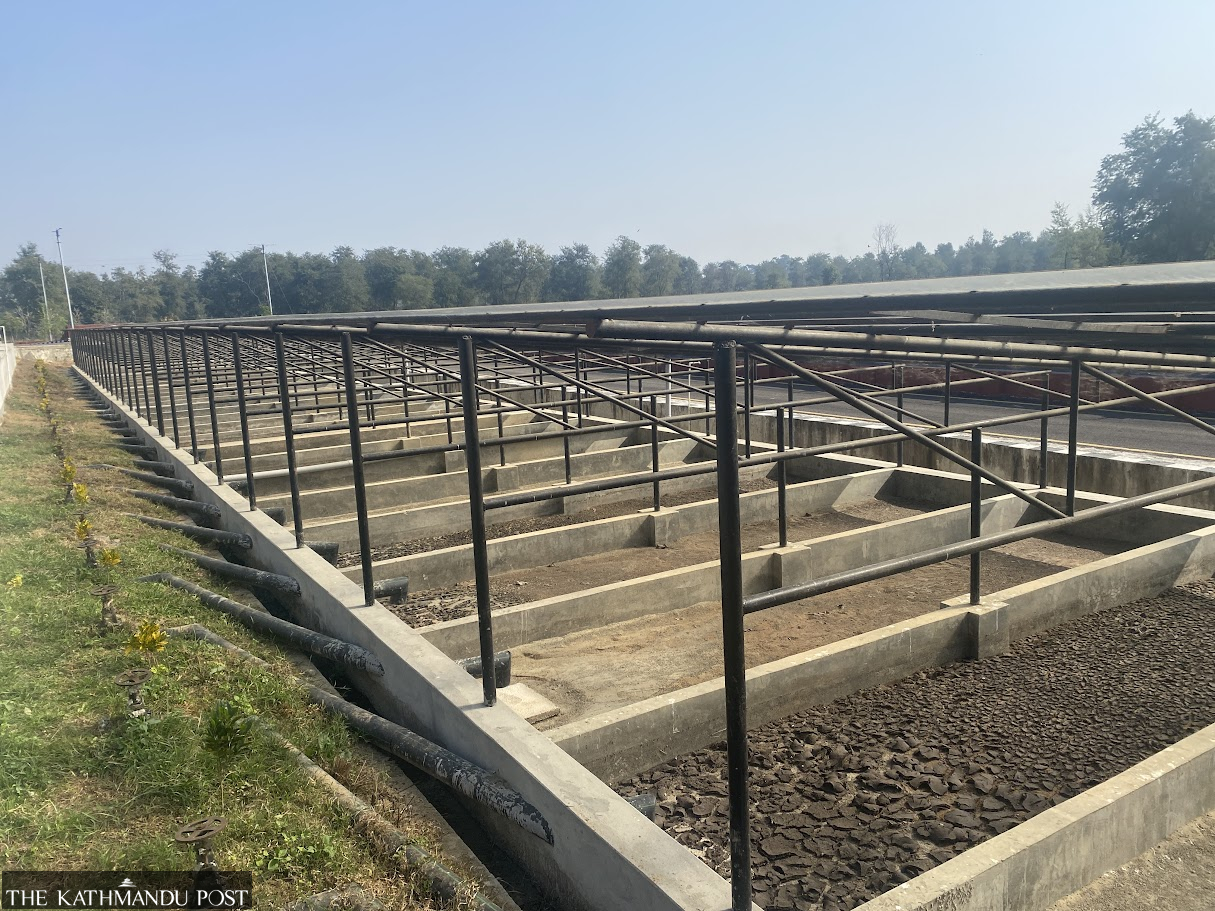
What sets the project apart, however, is its integration of fecal sludge management. Human waste collected from pit latrines and septic tanks is treated, dried and eventually mixed with compost made from biodegradable waste such as kitchen scraps.
“We collect around 13 cubic metres of human waste daily,” Acharya explains. “It is stored in septic tanks for 30 days, then dried for another 27 days to make cakes, which are finally powdered and mixed with compost.”
The result is a nutrient-rich fertiliser that sells for Rs20 per kg after packaging. Nurseries and rooftop gardeners are currently the main buyers, as the price is still higher than state-subsidised urea, which farmers can buy for Rs14 per kg.
“If this fertiliser were subsidised and farmers encouraged to use it, it would benefit the economy,” Acharya argues. “Nepal imports chemical fertilisers worth billions of rupees, which also damage soil fertility. Compost is better for soil, human health and the environment.”
His argument resonates strongly in the Tarai plains, Nepal’s food basket, where shortages of chemical fertiliser are a perennial problem. Government supply rarely meets demand, prices remain high without subsidy, and farmers often turn to black markets across the Indian border, paying even more.
Scientific research increasingly supports Acharya’s view.
Studies have shown that fertilisers derived from treated human faeces and urine can increase crop production by supplying nitrogen, phosphorus and potassium, while also improving soil carbon. Research cited by The Guardian, the British newspaper, found that urine-based fertilisers produced yields comparable to commercial organic fertilisers, while faecal compost—though slightly lower in yield—significantly improved long-term soil fertility.
Mixing urine fertiliser and faecal compost, researchers concluded, offers the most sustainable option, with yields only marginally lower than commercial products but far fewer environmental costs.
By contrast, synthetic fertilisers—while credited with boosting global food production—are major contributors to air and water pollution and account for about two percent of global energy use,
In Kailali, which has over 80,000 hectares of agricultural land but chronically low productivity, Acharya believes a balanced mix of organic and inorganic fertilisers could transform farming practices. The Godawari project currently sells compost worth about Rs600,000 annually, but the potential is far greater.
“If awareness is created and dependency on chemical fertilisers is reduced, it will help farmers, soil and water,” he says. “The business can grow manifold if fertiliser is made affordable and farmers are convinced.”
The municipality has also found a steady revenue stream. It charges Rs250 per household in urban areas and Rs100 in villages for faecal sludge collection, generating around Rs800,000 per month.
Until four months ago, waste from Godawari would be dumped in the Chaukidanda forest or burned.
Mayor Birendra Bhatta admits both practices caused environmental degradation and health risks.
“When the project was first envisaged, it was very difficult to convince local residents,” he says. “They feared disease and bad smell.”
The municipality promised jobs, insurance coverage and strict environmental safeguards. Trust came slowly, but visible results changed minds.
“After the plant came into operation, people stopped burning waste,” Bhatta says. “We also raised awareness about the health impacts.”
At Attariya Bus Park, tea seller Bhagiratha Bhatta, 60, says her habits have changed. “I used to throw waste in the jungle or burn it. Now there is a container and the municipality collects it,” she says, paying Rs100 per month for the service.
Schools have benefited as well.
Bir Singh Mahata, headmaster of Durga Laxmi Model High School, in Attariya, Kailali—the largest in Sudhurpaschim Province with 4,500 students—recalls how garbage disposal was once a major problem. “We used to burn the waste. Now the municipality regularly takes it. It’s a big relief.”
Godawari’s success is being scaled up.
Nepal’s largest integrated solid waste treatment plant, spread over 22 hectares, is under construction in Dhangadhi Sub-metropolitan City at a cost of Rs1.06 billion and is expected to be completed by April next year.
According to regional engineer Deej Raj Bhatta at the sub metropolis, the project has allocated nine hectares for landfill, 1.52 hectares for recycling facilities and 5.5 hectares for greenery and future expansion.
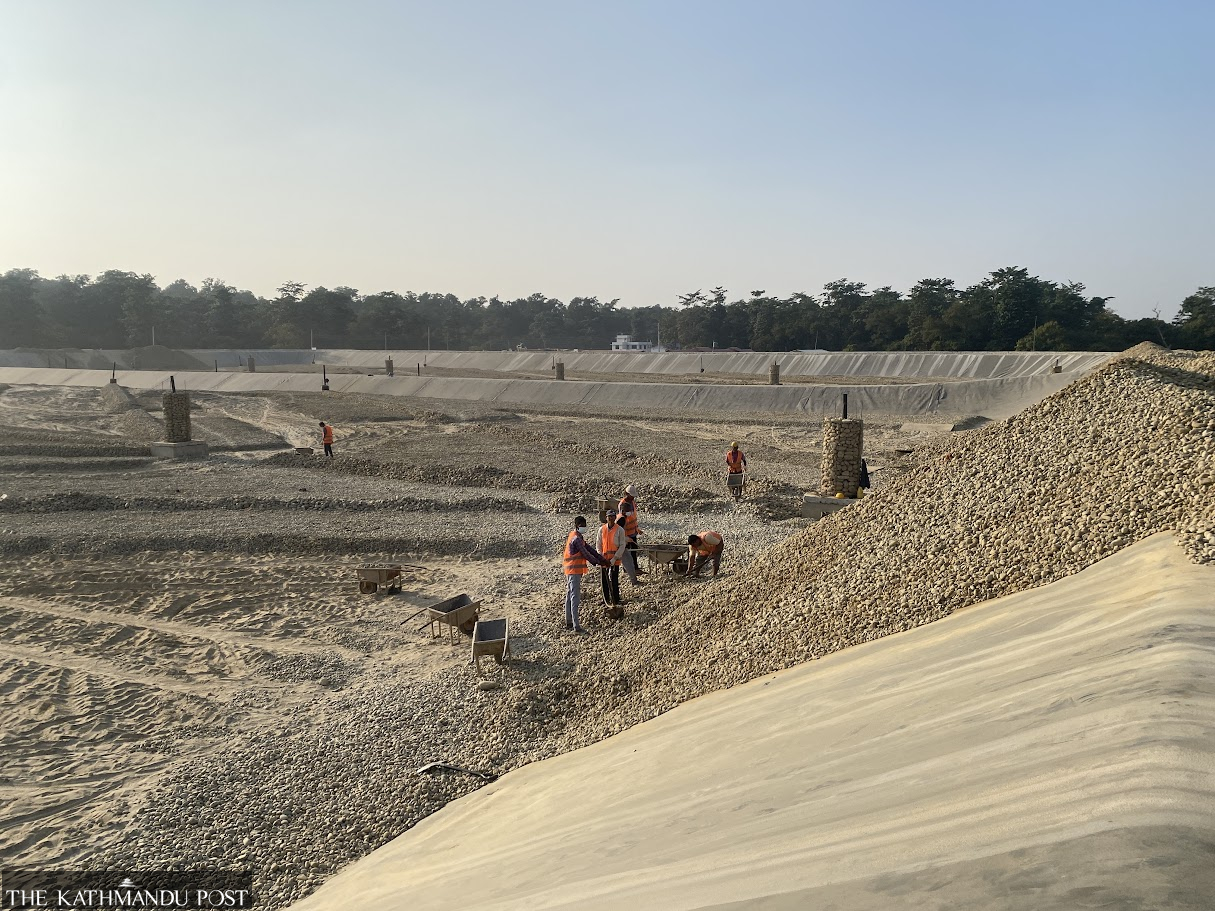
More than 56 tonnes of waste is collected daily in Dhangadhi alone, though segregation remains a challenge, with fines imposed on households that fail to comply.
Initial local resistance was strong there too.
Moti Rana, chairman of ward 7 where the plant is located, says locals feared becoming Dhangadhi’s dumping ground. “Now we are convinced,” he says, citing health insurance coverage for households within 500 metres of the site and commitments to local employment.
For Sudhurpaschim province—one of Nepal’s poorest, with 40 percent of its population below the poverty line according to the Asian Development Bank—these projects mark a turning point. When the ADB first decided to invest in urban infrastructure here in 2016, none of the municipalities had proper solid waste or wastewater treatment facilities.
As connectivity improves, including the planned Mahakali River bridge linking western Nepal to India, such investments could unlock growth while protecting health and the environment, the multilateral funding agency says.
Sangam Prasain
Sangam Prasain is Business Editor at The Kathmandu Post, covering tourism, agriculture, mountaineering, aviation, infrastructure and other economic affairs. He joined The Kathmandu Post in October 2009.



Most Read from National

14 ministers in Balendra Shah Cabinet finalised

Ex-PM KP Sharma Oli, former home minister Ramesh Lekhak detained over Gen Z protest crackdown
Businessman Deepak Bhatta under money laundering probe, barred from leaving Nepal
Government unveils ambitious 100-point roadmap for effective governance
Karki commission’s recommendations on the Gen Z protests, explained in 10 points
Editor's Picks
Nepal risks losing up to 132,000 jobs, $1 billion after LDC exit

Raped and left to die, teenager’s family wants answers

Bengal tigers move to mid-hills. Sighted in Palpa, Arghakhanchi
Escaping poverty at home, Nepali women fall into the Gulf trap
Once the heartbeat of Nepali democracy, now a ghostly shell
E-PAPER | April 02, 2026

×