How Nepal became obsessed with instant noodles and why it’s here to stay
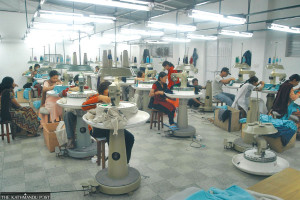
Every day, four million packets of instant noodles are consumed in Nepal. If you do the math, that means at any given minute, nearly 3,000 packets are being opened and eaten by Nepalis. But that’s hardly surprising for a country that is the third largest per capita consumer of instant noodles in the world, just behind South Korea and Vietnam and beating noodles-obsessed countries like China, Japan and India.
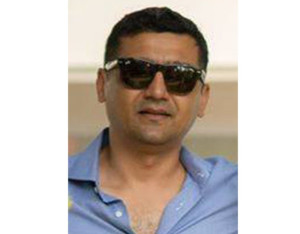
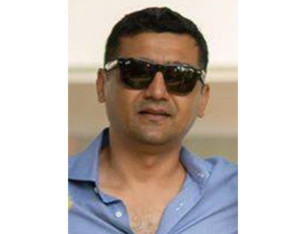
In Nepal, instant noodles are synonymous with Wai Wai, whose ubiquitous packages can be found just about anywhere in the country, from villages in the plains to hamlets in the mountains. Behind Wai Wai’s household presence is one man—Binod Chaudhary, often dubbed the Wai Wai billionaire. The Chaudhary Group chairman made his fortune on the back of this instant noodle, a product he introduced to the country in 1984, and in the process, turned his trademarked brand into an eponym for noodles.
In the years since it was first introduced, Wai Wai has gone on to take over the country, becoming a part of the Nepali staple diet, even replacing meals. But not everyone is happy with the noodle’s ubiquity, mostly because noodles by themselves do not constitute a full meal. Some even believe that instant noodles are behind the pandemic of junk food in the Valley, and more broadly across the country.
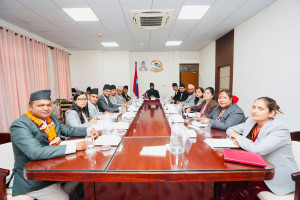
Nepal Army is amending laws so it can get into commercial activities
Despite mounting criticism that the Nepal Army is increasingly getting involved in commercial activities not befitting the armed forces, the national defence force is amending the Nepal Army Act to allow it to invest in commercial ventures as a promoter, furthering its entry into business.
The Nepal Army Act 2006 acts as a legal barrier for the Army’s investment in mega projects like hydropower, or in the banking sector. Though the Army is currently making millions of rupees annually out of the deposits it has in various commercial and development banks, top Army officials have expressed dissatisfaction with the returns. An amendment to the Nepal Army Act would give it leeway to make investments in businesses that yield high returns.
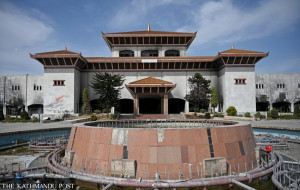
China’s focus on Rasuwagadhi-Kerung puts Tatopani-Khasa border in the shadows
When the Tatopani-Khasa border point reopened on May 29, after remaining closed for four years following the 2015 earthquake, it gave hope for revitalised bilateral trade with China. After all, before the devastating quake damaged border infrastructure, the border point was a major mainland route for trade with China, with the Tatopani Customs Office collecting over Rs15 million in revenue daily.
But expectations were short-lived. Movement across the border point has been negligible over the months since it reopened. Rather, the Rasuwagadhi-Kerung customs point, which was being used as an alternative route after the closure of the Tatopani-Khasa point, seems to be getting more traction.
Multiple traders the Post spoke with say Nepal has not been able to make a push to once again make the Tatopani border a vibrant trading point, largely because of China’s focus on the Rasuwagadhi-Kerung route.




 25.12°C Kathmandu
.jpg&w=900&height=601)