



 9.89°C Kathmandu
Tue, Mar 3, 2026
Money
Inflation is rising, BoP is ballooning, remittance is declining, imports are surging, NRB data show
Indicators paint a bleak picture of the country’s economy.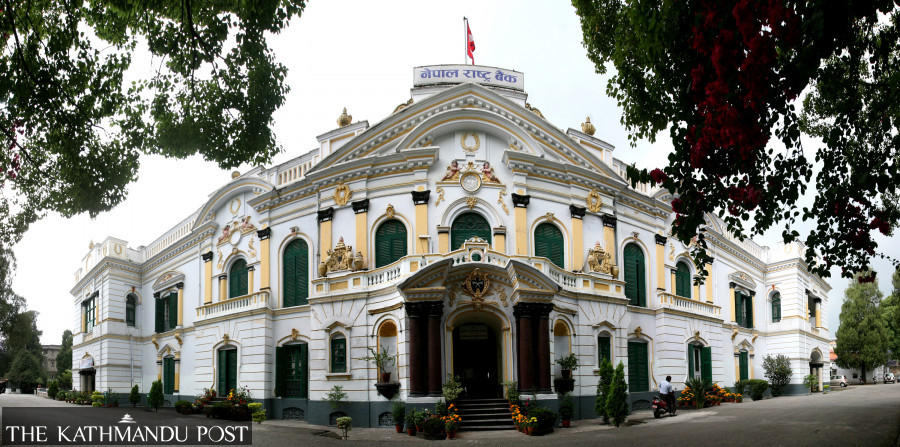
bookmark
Post Report
Published at : April 12, 2022
Updated at : April 12, 2022 15:16
Kathmandu
Nepal’s economic indicators do not look promising, as per the latest statistics released by Nepal Rastra Bank, even as the finance minister has been claiming that everything is hunky dory.
Inflation is rising, balance of payment (BoP) deficit is ballooning, inflows of remittances are decreasing, imports are rising and foreign exchange reserves are declining, according to the latest statistics released by the Nepal Rastra Bank (NRB) on Tuesday.
The central bank data show the worsening picture of the economy, a day after Finance Minister Janardan Sharma said there has been no economic crisis in the country.
According to the central bank statistics, the country’s inflation stood at 7.14 percent in the first eight months, the highest in the last 67 months, of the current fiscal year 2021-22.
The last time the country’s inflation reached 7.14 percent was in mid-September 2016 when it stood at 7.9 percent.
Finance Minister Sharma on Monday blamed rising prices of crude oil in the international market for rising costs in Nepal. Crude oil prices have skyrocketed in the international market due to the Russia-Ukraine war since February 24.
Prices of both food and non-food items have also gone up.
According to the central bank, among the food items, prices of ghee and oil surged highest at 26.34 percent in the first eight months of the current fiscal year-on-year basis while the price of transportation service rose highest of 16.27 percent.
When it comes to balance of payment, the deficit has ballooned to Rs.258.64 billion. BoP, also known as balance between money coming in and going out, has been in deficit since the early months of the current fiscal year due to the surge in imports. On the other hand, inflows of remittance decreased by 1.7 percent to Rs.631.19 billion in the review period. Remittances are the largest sources of foreign exchange earnings of the country.
With imports surging and remittances falling, foreign exchange reserves have continued to decline.
As of the first eight months of the current fiscal, the foreign exchange reserves in the country declined by 16.3 percent to Rs.1,171 billion in mid-March 2022 from Rs.1,399.03 billion in mid-July 2021, according to NRB.
The available reserves are sufficient to sustain imports of goods and services for just 6.7 months against the central bank’s target of maintaining the reserves to sustain imports for at least seven months.





Most Read from Money

Editor's Picks
Five and half decades of KP Oli in Nepali politics

How Facebook’s algorithm is amplifying one party over all others

Nepal’s IT exports near $1 billion. Can the momentum be sustained?

Parties’ lofty pledges on economy collide with hard realities

Upper house passes tourism bill with tougher Everest rules
E-PAPER | March 03, 2026

×