



 14.72°C Kathmandu

Tue, Oct 20, 2026
Koshi Province
Kimathanka residents complain of neglect ahead of elections
The remote settlement in northeastern Nepal remains cut off from the rest of the country, lacks reliable electricity, and depends on Tibet for daily necessities.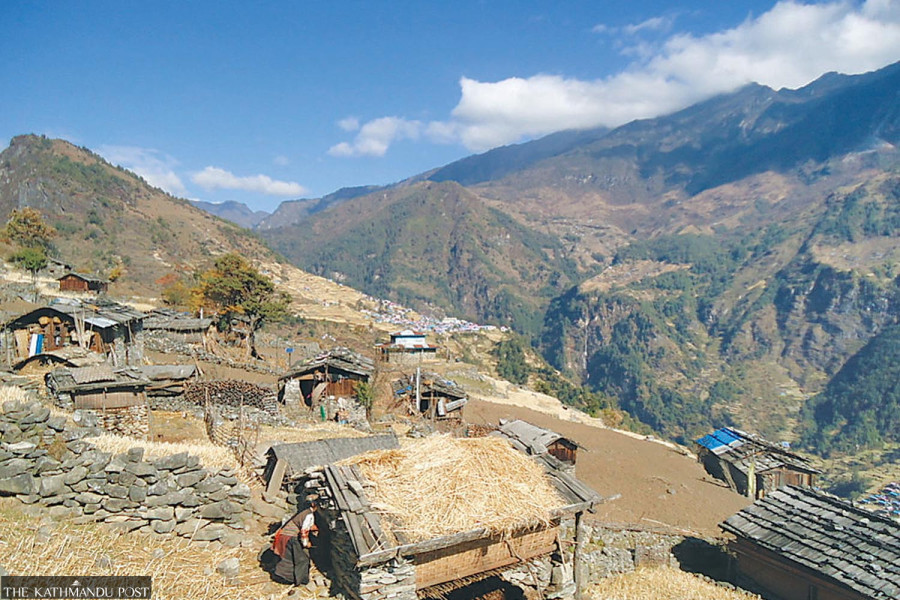
bookmark
Dipendra Shakya
Published at : March 2, 2026
Updated at : March 2, 2026 06:44
Sankhuwasabha
In Kimathanka, a remote border settlement in northern Sankhuwasabha district, the lights across the frontier shine brighter than any promise made at home. By day, residents can see bustling towns in Tibet; by night, the markets of Dendang and Changa sparkle across the hills. On the Nepali side, however, Kimathanka remains dimly lit by solar panels, still waiting for roads, reliable electricity and even electoral candidates.
With the House of Representatives election scheduled this Thursday (March 5), locals complain that no major candidate has visited this remote settlement. “Just four days are left for the March 5 polls, and I have stopped expecting the candidates to show up,” Pasang Bhote, a resident of Kimathanka, which lies in ward 1 of Bhotkhola Rural Municipality, told the Post on Saturday. “We want to hear their agendas ourselves, not through party workers,” he pleaded.
Kimathanka has 445 residents, including 308 registered voters. There is no road access to the settlement. Candidates have campaigned in road-connected areas of the constituency but none have travelled to this northernmost ward.
“We transport goods on chauri backs,” Pasang said, referring to the yak-cow hybrids used to carry loads in the mountains. “Across the border in Tibet, big vehicles reach every doorstep. Here, we have no transport facility and no proper market,” he lamented.
For daily necessities, villagers walk around 45 minutes to reach markets in Dendang and Changa in Tibet. By contrast, transporting essentials such as salt and cooking oil from the district headquarters Khandbari can take at least four days on foot.
The villagers in Kimathanka say their demands are straightforward—a motorable road to Khandbari, reliable electricity, market facilities and easier cross-border movement. “There is light and opportunity across the border. We live in the faint glow of solar lamps. We want the same development here,” said Pasang.
Delays in the Kimathanka-Khandbari road under the Koshi Highway project, and repeated pledges to improve connectivity, have left the Kimathanka area backward. Despite significant public spending in Sankhuwasabha in recent years—reportedly around Rs40 billion over five years—residents of remote northern settlements say tangible change remains elusive.
According to the local people, social conflict based on partisan politics, and disagreements over hydropower projects, persist in the area. “We want unity among people and an end to social conflict. But no one listens to our grievances,” said Kami Bhote, another local.
Sankhuwasabha, home to Mount Makalu, the world’s fifth-highest peak at 8,463 metres, and stretching down to Arun valley, is rich in natural and cultural heritage. Yet development has lagged behind public expectations. The district has a population of 159,206, with 119,630 registered voters across one federal constituency and two provincial constituencies.
“Leaders come by helicopter at other times and promise roads and electricity during elections. But how long must we remain in darkness? We want to travel by vehicle to Khandbari like everyone else,” said Pasang.
For Kimathanka’s voters, the March 5 elections are about more than casting ballots. They are about access, dignity and recognition. As they gaze each night at the illuminated towns across the border, the question on many minds is whether this election will finally bring the road—or leave them waiting once again.
Dipendra Shakya
Dipendra Shakya is the Sankhuwasabha correspondent for Kantipur Publications.

Most Read from Koshi Province
Editor's Picks





E-PAPER | October 20, 2026

×