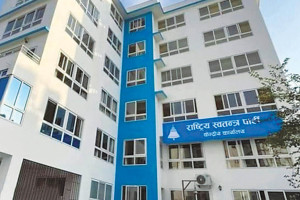
A vast majority of people showered their support for the Rastriya Swatantra Party in the recently concluded elections, suggesting not just a change of leadership but also hope for a new dawn. Along with good governance, people are eagerly awaiting infrastructural development, social justice and an end to impunity—issues that the traditional parties failed to deliver. Among those pinning their hopes on the upcoming Balendra Shah government are also thousands of victims from the Maoist insurgency whose relentless struggle for justice continues.
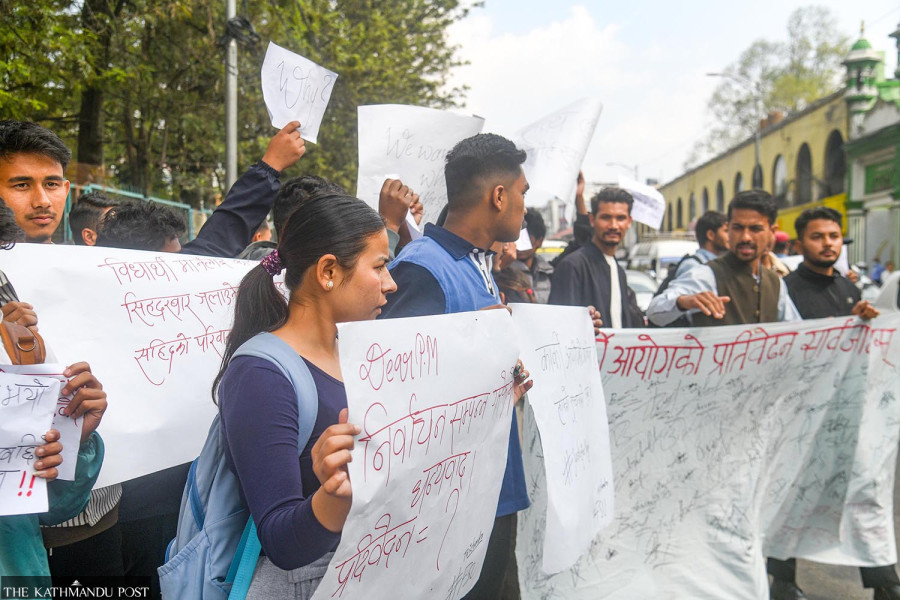
The Comprehensive Peace Accord, signed in 2006, stated that the identity of the people who disappeared or were killed during the insurgency would be revealed within 60 days, while the transitional justice mechanism would be constituted within six months. Twenty long years have passed since then, yet the whereabouts of the victims of enforced disappearances and deaths still remain unknown. Even though two transitional justice bodies—the Truth and Reconciliation Commission (TRC) and the Commission of Investigation on Enforced Disappeared Persons (CIEDP)—have been constituted, they have done nothing other than collect complaints from the victims and their families.
In the 11 years since their formation, the two commissions have seen their leadership change three times. The previous two teams from each commission did not have their terms extended for failing in their duties, and the performance of the incumbent teams appointed last year is also far from satisfactory.
Amid reservations from a section of insurgency victims and human rights activists, the erstwhile KP Sharma Oli government, on May 14, appointed office-bearers to the two commissions that had remained vacant for nearly three years. A five-member team led by former deputy attorney general Mahesh Thapa is leading the TRC, while another five-member team under former chief secretary Lila Devi Gadtaula leads the disappearance commission. However, for around a year, they have done nothing concrete other than accept new complaints. Now the truth commission has 78,875 complaints to investigate, while the disappearance commission has 2,605 cases.
The commissions aren’t the only ones to blame. Successive governments and political parties are just as responsible. The Nepali Congress and the CPN (Maoist Centre) were warring parties and part of the perpetrators, which led them to avoid proceeding with the process. The CPN-UML, on the other hand, used transitional justice for its political benefit. The outgoing Sushila Karki government was also indecisive. Some ministers were seen supporting the commissions, while others were not in the mood to cooperate with them. A section of victims continued to oppose them. In the last six months, the Karki administration didn’t endorse the necessary regulations that the two commissions needed to expedite their work, nor did it allocate the necessary human resources.
Now, as the Balendra Shah-led government takes the helm on Friday, it should come up with a clear vision and commitment to conclude the process that has become a matter of national and international shame. Unlike its predecessors, the incoming government has no baggage from the insurgency and holds the strength to push through every policy it wants. If it believes that the current leadership in the commissions can lead the process to a logical conclusion, it must equip them with the necessary legal instruments and resources while also bringing dissenting groups on board. If not, it should clearly communicate its plans to the commissions that it wants new teams to take over.
The Shah government has no excuse to keep the commissions in uncertainty like its predecessors did. The conflict victims are eagerly waiting for justice.
The new government should deliver it without further delay.




 14.69°C Kathmandu