What happens when real technocrats take the wheel?
With Swarnim Wagle and Biswo Nath Poudel at the helm, Nepal has a rare opportunity to end the historical tug-of-war between fiscal ambition and monetary caution. Post Illustration
Nepal’s economic institutions have always been physically close to one another. Around Thapathali, Maitighar and Singha Durbar, the country’s central-banking, planning and finance offices sit within a short distance of one another. Yet for much of our modern history, fiscal policy and monetary policy have often moved as if they belonged to different worlds.
A finance ministry under political pressure naturally looks toward spending, public promises, and visible relief. A central bank, responsible for prices, reserves, credit and financial stability, is often forced to act as the institutional brake. One side is accused of being reckless; the other is accused of being too cautious. The result is a familiar cycle: Budgetary ambition is undercut by monetary tightening, while monetary discipline is weakened by fiscal pressure. The state remains busy, but not always coherent.
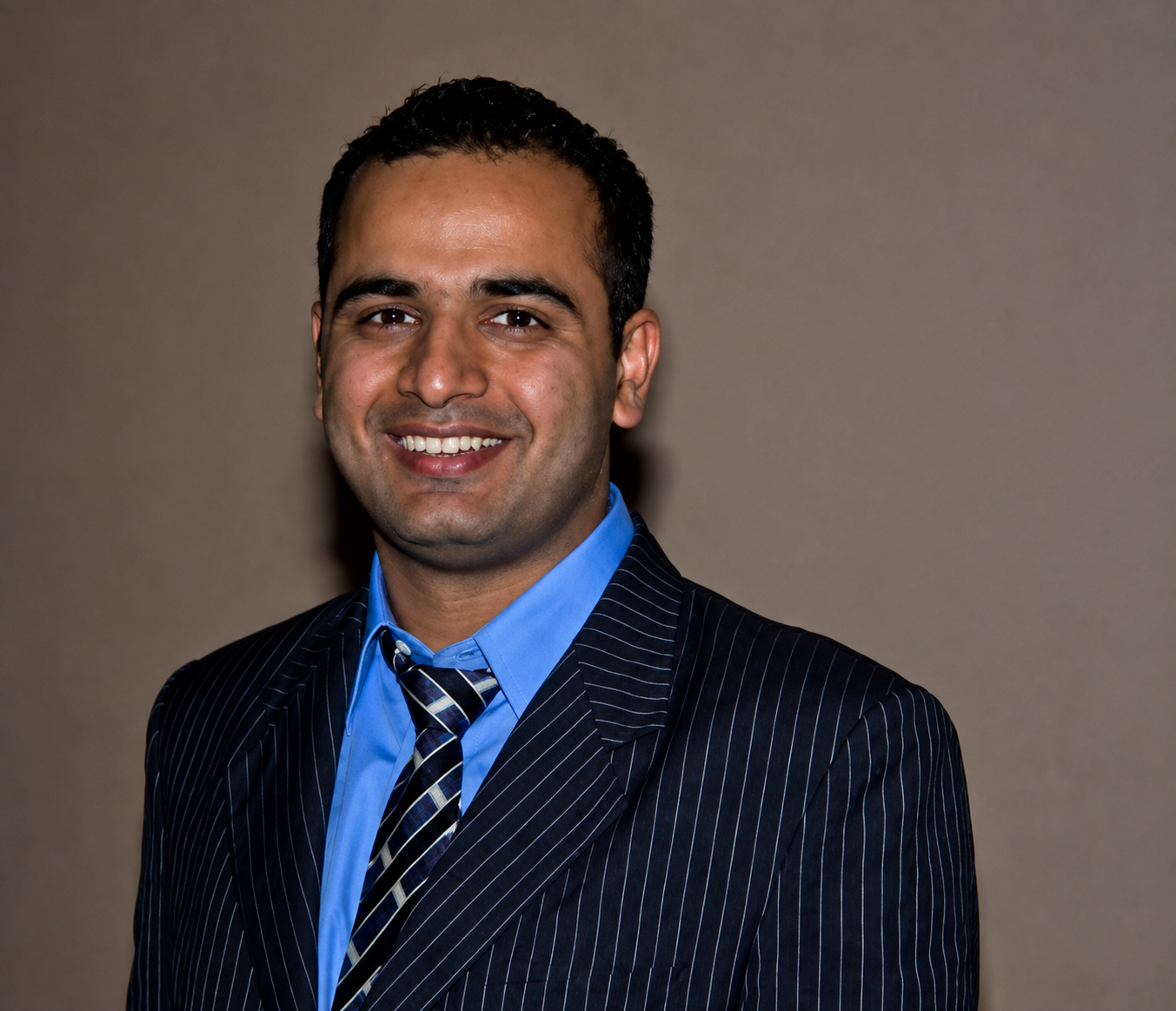
This is why the present alignment between the Ministry of Finance and Nepal Rastra Bank deserves attention. With Swarnim Wagle at the finance ministry and Biswo Nath Poudel at the central bank, Nepal has two economists with serious academic training occupying two of the most important positions in the country’s economic governance. What matters most is the academic rigour behind their public reputations, a quality still too rare in Nepal’s political life.
Public life often rewards visibility, factional strength and tactical agility, but it less often rewards deep study, long preparation and technical command. The rise of two such figures into the command posts of Nepal’s economic machinery is therefore a reminder that the country has been producing technical minds for decades, even when the state has not always known how to use them.
The importance of this pairing lies in its potential to reduce an old institutional quarrel. When the finance minister speaks of reforming outdated laws, digitising revenue, reducing discretionary power, and improving the quality of public spending, the central bank should not be treated as an opponent. When the governor worries about liquidity, inflation, foreign exchange reserves, banking discipline, or international financial-compliance pressures, the finance ministry should not see those concerns as mere obstruction. A serious state needs both ambition and restraint. It needs fiscal energy joined to monetary credibility.
This is the architecture of fiscal sovereignty. Sovereignty is not proved only by slogans, flags, or defiance of outsiders. It is proved when a country can finance its priorities, regulate its credit system, protect its currency, raise revenue fairly, and create conditions for productive investment. That requires the Ministry of Finance and the central bank to speak not just politely, but intelligently and consistently.
India’s 1991 economic reforms were not the work of one heroic official acting alone. They emerged from a rare alignment of political authority and technical competence: Prime Minister P. V. Narasimha Rao gave space to Manmohan Singh at Finance, while figures such as P. Chidambaram in Commerce and Montek Singh Ahluwalia in the senior policy bureaucracy helped translate reformist diagnosis into administrative action. The context was very different from Nepal’s, and the comparison should not be stretched too far. But one lesson travels well: Structural reform requires a small group of people who share a diagnosis and trust one another enough to act.
Nepal’s economic-policy corridor, from Singha Durbar through Maitighar to Thapathali, has not lacked seriously trained figures. During the state-building decades after 1951, institutional pioneers and trained economists such as Himalaya SJB Rana, Bhekh Bahadur Thapa and Yadav Prasad Pant helped bring academic preparation and economic discipline into fiscal administration. In democratic politics too, leaders such as Bharat Mohan Adhikari, Ram Sharan Mahat, Prakash Chandra Lohani, Prakash Sharan Mahat, Yuba Raj Khatiwada and Minendra Rijal show that learning and policy seriousness have never been absent from economic public life.
This is where the idea of ‘Nationalist Technocrat’ becomes useful. A nationalist technocrat uses technical competence to enlarge the state’s capacity and protect the public interest. The nationalist part commits to national resilience. The technocratic part maintains discipline, evidence and institutional design.
Nepal’s economy remains too dependent on remittances, import taxation, real-estate cycles, and consumption rather than production. Young people continue to leave because the domestic economy cannot absorb their ambition. Public revenue is squeezed, but citizens still expect roads, schools, hospitals, jobs and basic services. The private sector asks for policy stability, while the state often changes rules faster than investors can make plans.
This moment should therefore be used for durable reform. Nepal needs a simpler and more credible tax system, cleaner revenue administration, stronger protection against arbitrary ministerial discretion, better public investment selection, and a financial system that rewards production rather than speculation. It also needs laws and institutions that can survive changes in coalition politics.
No pair of officials can transform an economy by themselves. Democratic consent, parliamentary debate, provincial coordination, and public trust all matter. But when the finance ministry and the central bank are led by people who can understand each other’s language, the country receives a rare chance to move from reaction to design.
Nepal’s future will not be secured by personality alone, even by talented personalities. It will be secured when the state learns how to place serious expertise inside public institutions, pair authority with accountability, and make institutions work in concert. Singha Durbar and Thapathali are already close on the map; the real task is to make them close in purpose.




 21.02°C Kathmandu