



 22.92°C Kathmandu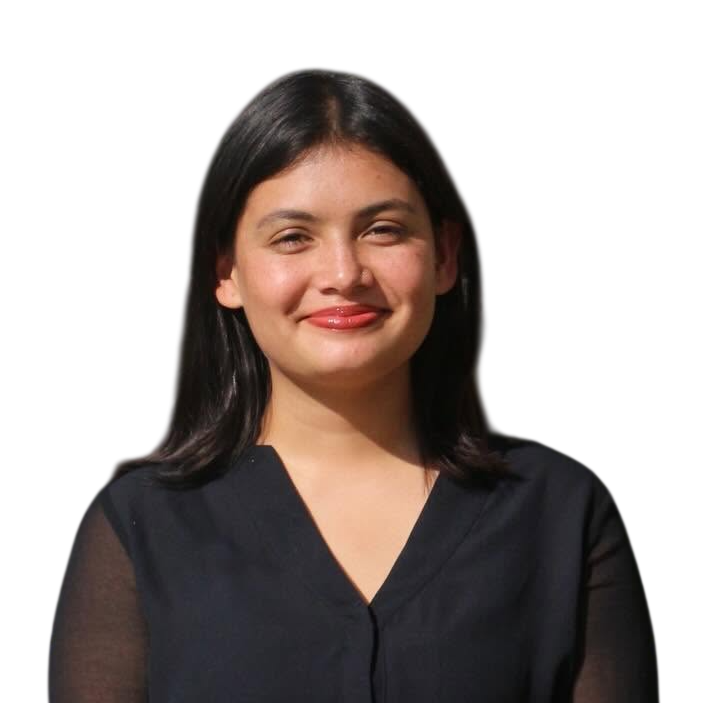
.jpg&w=200&height=120)
Tue, Sep 29, 2026
Columns
HOT TAKE: Elon Musk would be in jail if he were born in Nepal
When something new arrives, instead of working out how to govern it, we ban it. Then we never get around to understanding it.
bookmark
Pushpika Thapa
Published at : June 21, 2026
Updated at : June 21, 2026 13:59
If Elon Musk had been born in Kathmandu instead of Pretoria, he would’ve had a Cyber Bureau file long before he had a company. PayPal moved money outside the banking system, which is a case under Foreign Exchange Regulation Act. Starlink runs on an unpermitted satellite spectrum. The crypto he keeps championing has been illegal in Nepal since 2021. We would have criminalised the man before anyone got the chance to believe in him.
That is the reflex I want to talk about. Something new arrives, and instead of working out how to govern it, we ban it, and then we never get around to understanding it. Crypto is the clearest case. The IMF said it plainly in its June 2026 report: The ban did not work; money kept flowing in the whole time. We outlawed the currency but could not outlaw the behaviour, and now the same state that jailed people over crypto is building its own digital rupee. It wants the ledger. It just does not want anyone to be free on it.
But the law is only half the reason a ‘Musk’ could never come from here. The other half has nothing to do with crypto or spectrum, and it is the part that actually keeps me up at night.
Let me show you something small. I live in Lalitpur. Whenever it rains, the power goes out, and the mobile data dies with it, and everything stops. This is 2026–in a city—and one cloud is enough to switch off my work. And here is what people tell me when it happens, gently, like wisdom, “Take a break. Read a book. Rest your eyes.” As if the load-shedding did me a favour.
That is the sentence I cannot take anymore. Putting your phone down to read is a beautiful thing when you choose it. I did not choose it. The grid chose it for me. There is a real difference between someone deciding they have had enough screen time and a country that cannot keep its lights on handing you the same result and calling it balance. We took a basic failure and dressed it up as a life lesson, and somewhere in there, we stopped being angry at the failure at all.
This is where it loops back to Musk. When you grow up inside a system that underdelivers on everything and then asks you to be grateful, you learn exactly what it teaches; you learn to clap for mediocrity. Fonepay handles more than half the digital payments in this country and falls over almost every weekend, and the problem sits there untouched until Monday, and we shrug and say it has always been like this. We are trained, from the power cut upward, to be thankful for the bare minimum.
That training does not stay where you learned it. It becomes the ceiling you carry into every room for the rest of your life. If you have spent years being told to be happy with whatever little arrives, you do not walk into a salary negotiation and ask for your worth. You do not dream at a size that might embarrass you, because some part of you decided long ago that wanting too much is foolish here. A broken grid is not only a broken grid. It is a lesson in how little to expect from your own life, and most of us learned it without noticing.
So we sit under a line we never chose to draw. Not a poverty line, a line of demand. We ask for so little that the nerve it takes to build something enormous starts to feel almost rude. The young people who filled the streets asking for accountability put this government in power and still cannot get a straight answer out of it, and even that they are learning to live with.
The few who refuse to live with it leave. Aaditya Subedi was at Harvard before he left to build an AI chip-design company, and he raised $24 million for it from outside the country while we clap from a distance and never ask why none of it could have happened here. The honest answer is that we not only failed to give people electricity or a fair regulator. We taught them, and ourselves, to want less.
So, we do not just need better infrastructure. We need to stop applauding its absence. Until we do, we will keep producing people fully capable of building the next big thing, and a country that keeps teaching them they are not allowed to want it.
Pushpika Thapa
Thapa is a law student.

.jpg&w=200&height=120)
Most Read from Columns

Editor's Picks

What triggered the Rasuwa flood? Scientists piece together a complex chain of events

The floods keep coming. Nepal keeps starting over

In a settlement destroyed by the Bhotekoshi flood, a disabled couple offer strangers the little they have

Nepal working on detailed assessment as Bhotekoshi flood reconstruction could cost up to $5 billion

Rabindra Dhant gave Nepal a reason to smile. Now his camp wants real action behind the praise
E-PAPER | September 29, 2026

×