



 14.81°C Kathmandu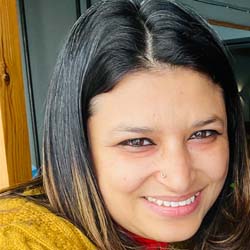

Sat, Oct 24, 2026
Columns
Women leaders deserve more than a maternal metaphor
Reducing femininity to motherhood limits women’s political roles and the imagination of leadership.
bookmark
Smriti RDN Neupane
Published at : March 20, 2026
Updated at : March 20, 2026 07:13
Nepal marked a historic moment when former Chief Justice Sushila Karki was sworn in as Prime Minister of the Interim government. Karki’s appointment to the nation’s highest office eventually led to a smooth and peaceful election that showcased her diplomatic and strategic strength and judgment. Almost immediately, as she took office, many addressed her as Aama, (a maternal figure). Labelling her as Aama seemed to overshadow her political vision. When male leaders were called Baa, (a paternal figure), their authority was framed as strength, guidance, humour and decisiveness. So while we celebrate International Women’s Day in the month of March, let’s reflect not only on who gets the opportunity to lead, but also on the narratives we choose to believe. I have nothing against the emotional significance of mother and father figures. However, the way this sentiment gets glorified and their leadership framed to fit patriarchal moulds is where I have concerns.
On the surface, calling a woman leader, Aama, might feel respectful and affectionate, but we know that language is never neutral. There are embedded perspectives, cultural values, and power structures, very often reflecting, reinforcing, or challenging social, political, and historical biases. When men rise to power, they are described as strategists, negotiators, leaders and decision-makers, treating their competence as political and institutional. Women are often defined by emotionality, where they are primarily defined as nurturers, protectors and caregivers.
Framing political authority as only maternal softens and undermines the power they hold. It ties legitimacy to care, sacrifice and moral virtues rather than political judgement or strategy. It implies that women are acceptable leaders only when they resemble mothers, sidelining qualities traditionally expected from men, which are ambition, decisiveness, confrontation and vision. These narrow framings erase diversity. Not every woman is a mother. Not every woman wants to lead through maternal symbolism. However, when political discourse insists on calling women leaders Aama, it implicitly indicates that maternal identity is the most valid expression of women in power.
Around the world, societies have legitimised women in power through maternal imagery. For instance, Indira Gandhi was called ‘Mother India’. Corazon Aquino was the ‘Mother of Democracy’. Even Jacinda Ardern was frequently discussed through motherhood narratives. Feminist scholars such as Cynthia Enloe and Carole Pateman note that societies frequently diminish women’s authority and power by associating it with care roles, reinforcing the idea that women in leadership are more acceptable and relatable when they are mothers.
However, qualities often linked to femininity, such as empathy, emotional intelligence and collaboration, are leadership skills and not just maternal instinct. Attentive listening, conflict resolution, understanding social dynamics and reading environments are critical to governance. Framing them as just being motherly suggests women lead well only because they resemble caregivers, rather than recognising these as political competencies.
Women exercising power beyond the patriarchal script are criticised for it. This shows a tension between femininity and authority. Feminist theorists like bell hooks and Judith Butler advocate for a broader and wider definition of femininity. They reject that patriarchal gender roles have anything to do with defining an individual's identity. it. Women are nurturing as well as strategic, empathetic and confrontational, intellectual and pragmatic. Reducing femininity to motherhood or just maternal instincts limits not only women’s political roles but also the imagination of leadership itself.
Even when women achieve remarkable success, society often applauds the maternal sacrifice or even berates her for it. This is often reflected in instances where a woman political leader is celebrated for winning elections while navigating pregnancy and postpartum recovery. Her determination is being framed as exceptional because of her motherhood, while her strategic campaigning, political vision, or courage to contest deep-rooted power structures are relegated to the margins. This narrative rewards women for giving it all despite personal circumstances rather than recognising that leadership by any gender always demands sacrifice, intelligence, and stamina.
Even as maternal narratives shape perception, structural realities show why this conversation matters. Out of 3,406 first‑past‑the‑post candidates, only 388 (about 11 percent) are women, and only one openly identifies from a sexual and gender minority group. Fragile descriptive representation places an extraordinary burden on the few who succeed, expecting them to speak for all excluded voices. Political theorists distinguish this from substantive representation, which is the actual policies and decisions leaders pursue, which must not be a solo job. Addressing gender inequality is not the burden of women alone, it is a democratic responsibility for leaders of all genders.
So, let’s retire Aama as the default title for competence. Women in leadership and power do not need a maternal metaphor to prove their authority. Leadership should be observed by vision, accountability and the ability to govern rather than traditional gender roles. If we continue to describe women leaders primarily through their reproductive and gendered identities, we risk shrinking the political vision of what women can be when in power. Moving past Aama is not about rejecting care, empathy or compassion. It is about changing that narrative as the only one and recognising women leaders in the full breadth of their political agency—as thinkers, strategists, negotiators, technocrats, decision-makers and architects of the present and the future, as leaders.
Smriti RDN Neupane
Smriti is a feminist activist working at the intersections of governance, civic participation and gender justice in Nepal.



Most Read from Columns



Editor's Picks





E-PAPER | October 24, 2026

×