Electoral manifestos are critical documents. Currently, the parties contesting the elections are preparing their manifestos. This is a critical step for any party, and for the country, in the post-Gen Z period in particular. Perhaps that’s why the parties are taking time to publish their policy documents.
One would hope that at least this time these documents won’t be published as a routine publication, as a mere showmanship. It should be as genuine as possible, with due consideration to whether those policies are actually practical. Poor implementation of the stated policy package in the past has meant that some people may give little consideration to it, yet it is hugely important, more so for the ‘lower’ castes.
Importance of a manifesto
Electoral manifestos are a promise to the electorate. As in any democracy around the world, a manifesto shows what a party plans to do if it is elected to power, in areas such as crime, health, education, employment and social justice. The voters make up their minds depending on these planned policies and programmes.
Today, most Nepalis would like to see how parties intend to control political corruption and promote good governance. These have been the two fundamental demands of the angry youths who recently revolted under the banner of Gen Z in September 2025.
There are many other serious issues to be tackled, however. The national economy has struggled to pick up the pace for a long time. The economies of most other countries, including our neighbours India and China, have successfully bounced back after the crisis of Covid-19 pandemic. But Nepal’s economy remains in the doldrums. Mass unemployment has worsened over the years.
How does the future government pull the country out of this protracted economic crisis? How will it pave the path for progress?
Riding on the bandwagon of populism, parties presenting themselves as a new alternative would entirely blame political corruption for the ongoing economic crisis. But this reactive policy is not enough; anger and emotion is not the solution. They must be able to present credible visions and strategies for a rapid economic advancement.
And so must, of course, the ‘old’ parties. They must accept that they haven’t been able to deliver as per public expectations in the past and must assure the masses that they have better visions and plans for the days ahead.
And parties old and new, big and small, national and regional, must never forget the issues of discrimination and inequality. The problem of untouchability is still endemic, despite losing some force in the public arena, but the issue has been swept under the carpet. Even the current Gen Z government has shown no interest in the subject. The issue has virtually disappeared from public debate.
Parties must work hard to change this attitude and strive to reform the society and ensure caste equality, which must start with a robust electoral manifesto.
Prioritise Dalit issues
As the saying goes, too much analysis leads to paralysis. The Dalit discourse seems to have somehow lost its central focus. The debate itself has become a cliché; many youths do not wish to identify themselves as Dalits. Many Dalit activists themselves seem confounded as to what the fundamental issues of the Dalit community are.
I ask the parties, including my own (Nepali Communist Party), to take Dalit issues more seriously in this election. Their seriousness must be reflected in the respective manifestos. Problems must be clearly identified, and a feasible strategy for resolving them must be stated.
First off, as I have always stressed, parties must no longer bury their heads in the sand vis-à-vis the religio-cultural roots of the caste problem. We must be brave enough to state the facts.
Even ordinary and poorly educated villagers understand this fundamental conflict between state laws and religious/customary laws in relation to the persistent practice of untouchability. Many upper castes themselves suffer as a result of this massive gap between the law and cultural practice. It is the state’s duty to resolve the matter.
And, in a democracy, political parties run the state. So, it is their primary responsibility to try to bridge the gap between the formal laws and customary laws so that inter-caste harmony and peace are established, and social justice is ensured.
Additionally, the parties must plan to implement the various provisions made to uplift Dalit communities in the Constitution. Article 40 states that freedom from untouchability is a basic right of all citizens. How do you enforce this great proclamation?
The constitution also provides land to landless Dalits, as well as free school education and so forth. Parties must be committed to these constitutional provisions—and their commitment must reflect, of course, in their electoral manifestos.
A word for Dalits
During my recent round of electioneering in rural Gorkha, I heard that Dalit voters can be easily lured with some cash, food and drinks. Other people may also be influenced likewise, but Dalits are easier. This has been a widespread perception.
If this understanding is true, Dalits must change it. They must not be easily persuaded to vote for a party based on a small material benefit. Dalit rights activists must promote a more sensible voting for the good of the community.
As I’ve noted earlier, too, many Dalits no longer depend on upper castes for survival. Poverty among Dalits is reducing visibly. Access to foreign employment, particularly in the Gulf states and Malaysia, has upgraded their economic situation and freed them from a kind of bonded labour in the form of the patron-client system.
Hold your head high, check the electoral manifestos of the parties, note their past struggles and ideological backgrounds—before casting your invaluable votes. See who has genuinely fought for social transformation, against caste oppression.
Read manifestos. Understand every line—what is written and what is not written. Get people to explain them to you. Fight for a greater prioritisation of your issues, including untouchability. And do not fall prey to cheap populist propaganda.
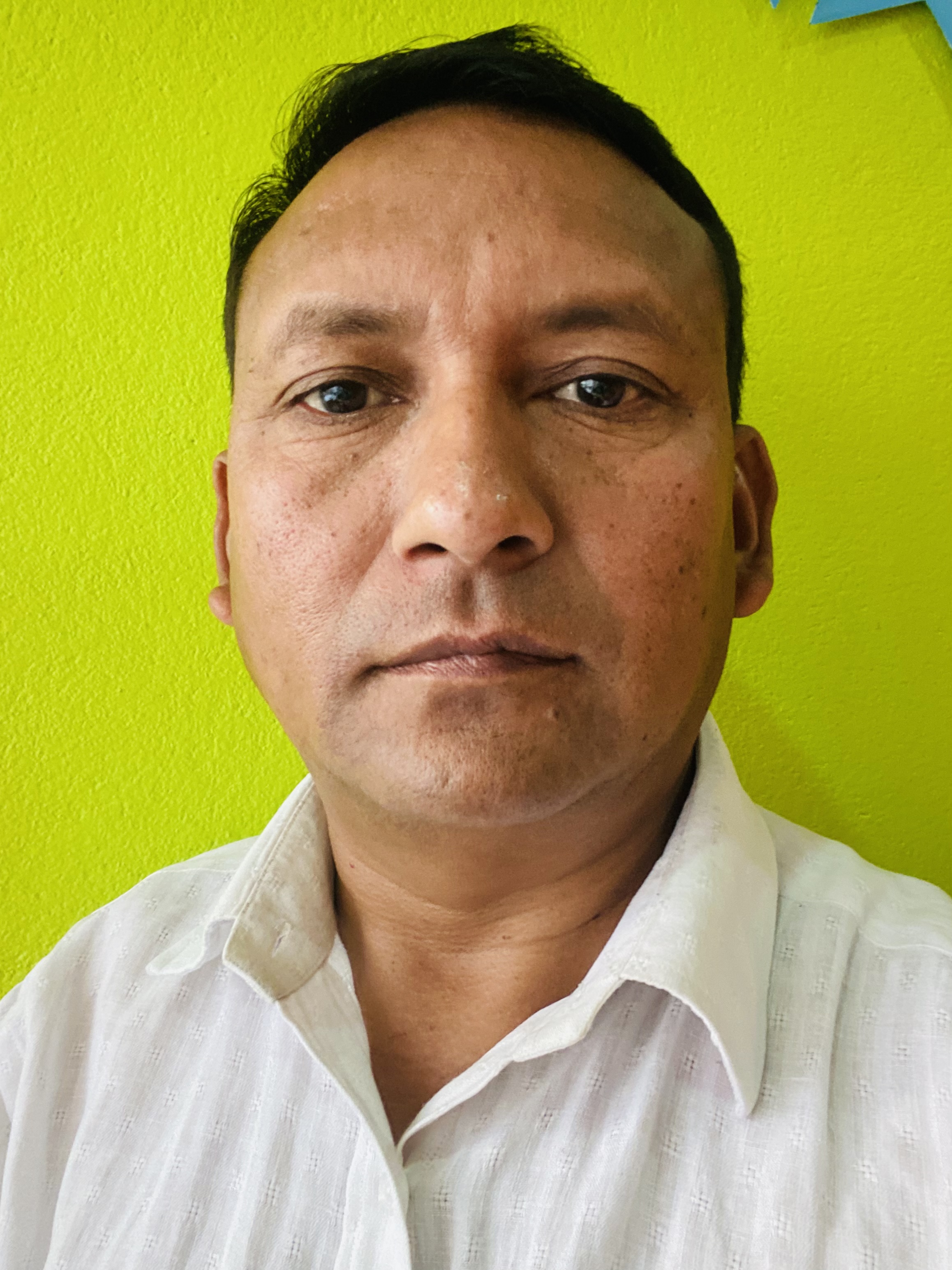
A graduate of Oxford University, Pariyar is a Dalit rights activist who has worked in universities in Australia and England. Pariyar is affiliated with the Nepali Communist Party.




 16.01°C Kathmandu