



 25.92°C Kathmandu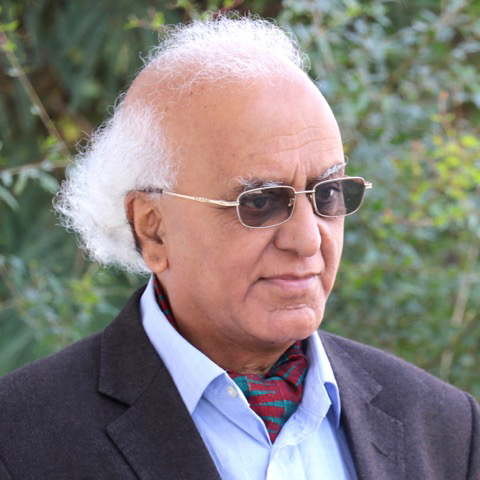

Tue, Oct 27, 2026
Columns
Architecture: Insiders and outsiders
A careful and wise planning of architectural works can be liberating..jpg&w=900&height=601)
bookmark
Abhi Subedi
Published at : December 7, 2025
Updated at : December 7, 2025 07:13
One stunning reality of architecture is that it is made for the insiders who make use of it. All architectural structures are made for use; they are also solidly placed artistic forms for viewing. For that, a combination of emotion and structure warrants discussion. The sizes of architectural forms are diverse. But people who use architectural forms may not be aware of what a designer has done for them. The design can be either ugly, beautiful, monotonous, oppressive, or liberating, yet the user or viewer may still be unable to interpret it. I am struck by the activism of Nepali architects, albeit on a limited scale, to discuss this subject occasionally in panels and colloquiums.
I received an invitation from architect Biresh Shah to participate in a panel discussion on ‘Art in the design and production’ organised at the Department of Architecture, Pulchowk Campus, on November 28. Shah occasionally organises such meetings and discussions with architects of different generations and non-architects with interests in architecture.
A panel discussion involving Professor of Architecture Deepak Pant, architect and designer Marina Shrestha, photographer Ashesh Rajbansh, civil engineer Aswin Tamrakar and me was organised. Shah, as the moderator, opened the subject as challenging and not often discussed by architects and those interested in this subject. He stated that discussions of the artistic directions of contemporary buildings are either non-existent or very simplistic. His team’s concern, as put in the circular, says, “This condition applies to both the teaching and actual practice of architecture today.” This is a big academic topic that requires thorough discussion and presentation.
The gist of the discussion of the panels and that of the organisers was that both the scope of the curricula and that of the practice of architecture should be broad-based. As a teacher and writer of literature, I would put this practice as meta-architectural consciousness.
Architecture is one of the most powerful forms of human art. A subject for interdisciplinary discourse emerges when a non-architect shows interest and even readiness to share a passion for architecture. As a non-architect, my interest is entirely personal. But as a teacher of Western literature, principally English, and a writer of Nepali literature, my interest in architecture in general and Nepali architecture in particular has its origin in an interdisciplinary pursuit. Architecture, from the domain of building residential houses and city planning in ancient times and the geo-cultural scheming of towns and cities, especially in the Nepal Valley, sees the merger of passion and form.
In my quest to understand the semantics and interpretation of the subject, I read works about Nepali architecture written by Western and Nepali architects. In modern times, architects like Sudarshanraj Tiwari and the oeuvre of non-architect cultural historians like the late Satyamohan Joshi, Prayag Raj Sharma, Mahesh Raj Panta, Gautamvajra Vajracharya and Shiva Rijal, became part of my reading. Names of great architects like Jogbir Sthapit and Shankarnath Rimal feature prominently. Among the foreign writers on Nepali buildings, including temples, towns and houses, are Carl Pruscha, Mary Shepherd Slusser, Niels Gutschow and Monica Mottin, who also worked with us in theatre. These are some of the writers whose oeuvres have informed my reading of the subject.
I was quite intimately involved in the architectonic discussions of theatre when Sunil Pokharel was creating a pioneering theatre called Gurukul on a forlorn height of Baneshwor. The play that was staged first towards the beginning of this century, closed after nine years of roaring success. The theatre espoused many avenues of performances and texts by fostering architectonic consciousness. After Gurukul closed the process, talented artists of this theatre continued building up theatre architectonic forms. They continue to date by making theatres.
The consonance of design and art should be approached by turning to the architectural aesthetics. Not being an architect, my response emanates from my perception of architectural structure and the use of feelings in that. Big architectonic sights deeply move me. They range from the works of native and foreign architects. Propelled to look into architecture from theatre, I see performance as the crux of good architectural forms and the soul of architecture in the Nepal Mandala. The native architects created a consonance with nature and embedded their passion into their architectural forms.
Looking for a read to understand the spontaneous gathering of people or crowd in social formations and their reflection in architectural forms, I turned to the work of Italian architect Paolo Portoghesi (1931-2023). His heavy tome Nature and Architecture (2000) extensively discusses the links between history, politics and nature. The architectonic style of the Nepal Mandala derives from people’s participation. The works of some of the Nepali architects mentioned above have sought to address this phenomenon in Nepali architecture.
The existence of the cohort of architects, lovers of the traditional forms, those who take modern or avant-gardist views, teachers, students and people like us who see architecture as an aesthetic form and lament the loss of the strong heritage and aesthetics of Nepali architecture has always been a great feature of Nepali art and civilisation. The same can be said of other countries. But our concern is maintaining, understanding and accentuating the architectural heritage of Nepal. I was alarmed when some architectural forms were vandalised during the September uprising. I wrote an essay about that anguish, which was published in The Post.
The subject of architecture is vast. Architects have planned cities with arid and monotonous or creative forms. Architecture is the most commonly bandied subject that involves bravado, power and money. It is difficult to set one standard and method for this. But a careful and wise planning of architectural works can be liberating.
Abhi Subedi
Abhi Subedi is a poet, playwright and a columnist.


Most Read from Columns




Editor's Picks

What to know about the US trial over Mamta Kafle’s disappearance
NPL returns with bigger ambitions and global recognition
What’s new in the Nepal Premier League’s third season?

After Nepal’s recent disaster, it wants to test whether COP31 can deliver climate justice

Why does an hour long flight to Dhangadhi cost more than a flight to New Delhi?
E-PAPER | October 27, 2026

×