Ethnomusicologist Anna Marie Stirr discusses how a chance encounter with Dohori sparked decades of research into Nepal’s musical heritage, oral traditions and cultural preservation.Courtesy of Dr Anna Marie Stirr
Dr Anna Marie Stirr is an associate professor of Asian Studies at the University of Hawaii and is a member of the International Nepali Literary Society, helping Nepalis abroad navigate the diaspora through music.
Stirr first encountered Dohori (a traditional Nepali folk music genre) on a bus in Kathmandu more than twenty years ago. A certified translator, she holds a PhD in ethnomusicology from Columbia University and a bachelor’s degree in music and religion studies from Lawrence University in Wisconsin.
Years after being devoted to and performing Dohori, her research crystallised into the books ‘Singing Across Divides’ and two volumes of ‘Music and Dances From Central Nepal: The Works of Subi Shah’.
Famously known as ‘the American who sings Dohori’, Stirr, in this conversation with the Post’s Jony Nepal, examines this oral tradition as a tapestry of knowledge, creativity and ancestral memories—something to be preserved while being allowed to evolve.
What got you into Nepali music, and why did you shift from Western classical music to Nepali classical music?
I have always loved music, and I love to sing and try out different instruments. I came here as a student on the SIT Study Abroad programme during my undergrad, when I was a music major.
Western classical music gives you a good base, a very systematic education, so we have a foundation for talking about and comparing different kinds of music. But as a performer, the scope is very narrow. By the time I came to Nepal, I’d already realised I didn’t want to be the type of flute player who plays the same few orchestral pieces over and over for the rest of my life. There are very few symphony orchestras, and each one only has two or three flute players, so there aren’t many jobs.
So then I came here, already loving the sound of wooden flutes. When I heard the bamboo flutes here, I thought it was the most beautiful sound, especially the low bass flutes. I started learning with a teacher recommended by the SIT school, Manoj Singh, who played with 1974 AD. After that, when I came back, I took flute lessons, and that’s how I started learning more about the classical system here while also picking up folk tunes on the flute.
Back then, we didn’t have the internet, so we absorbed music just by walking around, hearing it in music shops, on the bus, and on the radio. I think the first time I heard Dohori was on a bus, which later became my PhD topic.
Based on your research, what relationship did you find among music, caste, intersectional identities, marriage, and politics?
Dohori has a very old history of people getting married through it; this idea even appears in Tamang clan founding myths, even if they don’t call it ‘Dohori’. Historically, this improvised, conversational singing between a male and female performer could lead to a requirement that the two marry. So society already holds the idea that if you sing Dohori, you might end up married.
Then there is a simple fact that young men and women meet to sing at night. And this happens across lines of caste, class, religion, and region, regardless of what your parents think is appropriate.
Arranged marriage, even when parents say they are flexible, still has the effect of preserving the caste structure. Dohori works by a completely different logic: if you sing Dohori, you may not just get to marry; you may have to. There’s an inexorable momentum in which one person wins, one loses, and the two are expected to marry. That’s a different value system.
Because of that lingering memory, even though it’s not the only or even the primary way marriages happen now and hasn’t been for 50–100 years, there is still the idea that it is a valid form of marriage.
This makes Dohori a challenge to a social order built on caste and class. If you can marry anyone through a Dohori song, and that’s an accepted form of elopement, you can break the caste system wide open, and for people who value that system, that can feel like a threat to the social order.
It is also about how women use Dohori to negotiate their own well-being and create a more welcoming space for themselves using song as social action. Because beyond marriage-related history, the vast majority of Dohori is just for fun, sung between men, between women, or across genders, just for enjoyment.
Often in Nepal, when we talk about politics, there is an inbuilt notion about ‘parties’. But politics exists in between the gaps of everyday life, which I explore in the book through gender, music and caste.
How would you describe ‘decolonising ethnomusicology’?
First, I think the term ‘ethnomusicology’ itself needs to go. The issue is that terms like this create an ‘unmarked’ category. Describing something as ‘music’ and others as ‘ethnomusic’ automatically lowers status.
So I’d rather say we study music using social, scientific and humanistic methods. ‘Ethno’ means people, so we study how music matters to people and how they use it. But the term itself carries a colonising, extractive framing: ‘we’ have music, but ‘those people over there’ are ethnic and have ethnic music.
In Nepal, the term ‘ethnomusic’ has increasingly been used over the last few years to describe music specific to particular ethnic groups. It does not apply to Dohori, since no single ethnic group can claim it as theirs.
What is the right process for documenting music and dance?
Every situation is different. The right process is a respectful one. You start with respect for the people, ask what they want and need, and you can explain why you see value in documenting it. You have to proceed with mutual understanding.
The aim of documenting is to help people understand the history and recognise that it is allowed to evolve. We have to document in a way that gives viewers the freedom to improvise while standing on a respectful foundation of historical practices, rather than presenting it as a fixed historical occurrence.
How has your experience of singing Dohori evolved over the years?
Even at the level of Nepali I had when I was studying abroad, which wasn’t nearly as good as it is now, I could still get by with the couplets. I think what I gained most was confidence in being able to mess up and try again.
There is a lot of fear of imperfection, a need to get everything right the first time. But people around me were so encouraging. There were barely any real consequences to getting something wrong, and at worst, you'd get laughed at. So I learned by messing up. That became a methodology for me.
What is the Government of Nepal doing to preserve music?
In the past, government cultural policy has set aside some budget, but never enough for anyone to actually do anything, so it becomes a matter of perpetual politics and fighting over funds that could barely cover something like a quarter of a wedding celebration.
As a result, the books coming out of the Academy aren’t high-quality, the videos made there aren’t accessible, and the library isn’t maintained. When they focus on performance, things go better, but institutional documentation suffers because staff are trained as performers or are political appointees with no documentation expertise and no budget to learn.
Another issue is that as things get documented and built upon, there’s a real need for people to understand the limits of copyright law: not to overreach and copyright things they shouldn't, but also not to steal what rightfully belongs to others.
Anna Marie Stirr’s five book recommendations
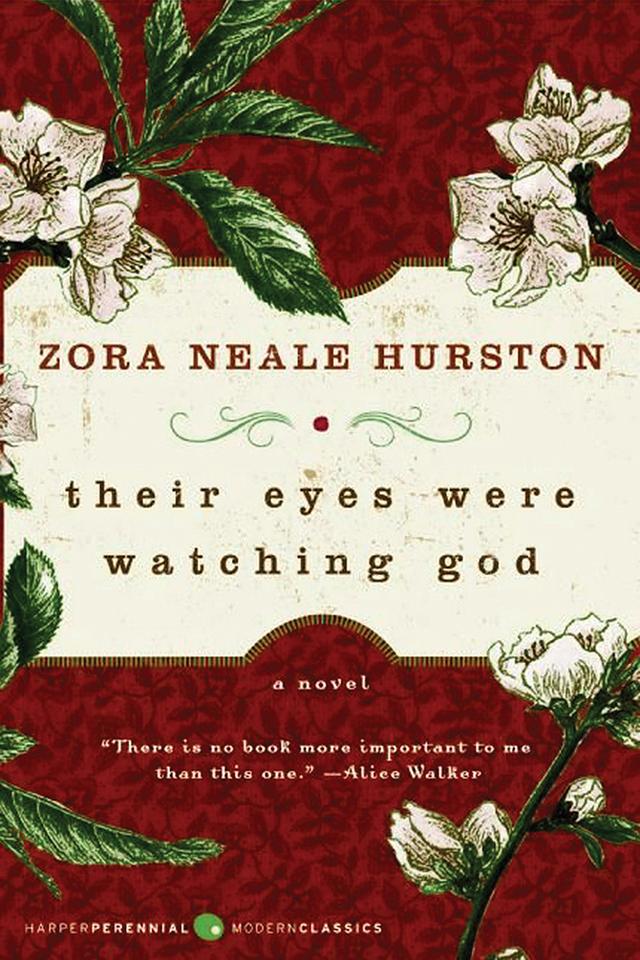
Their Eyes Were Watching God
Author: Zora Neale Hurston
Year: 1937
Publisher: Amistad (2006 edition)
Hurston’s novel is regarded as a classic of the Harlem Renaissance, a landmark movement in African-American literature.
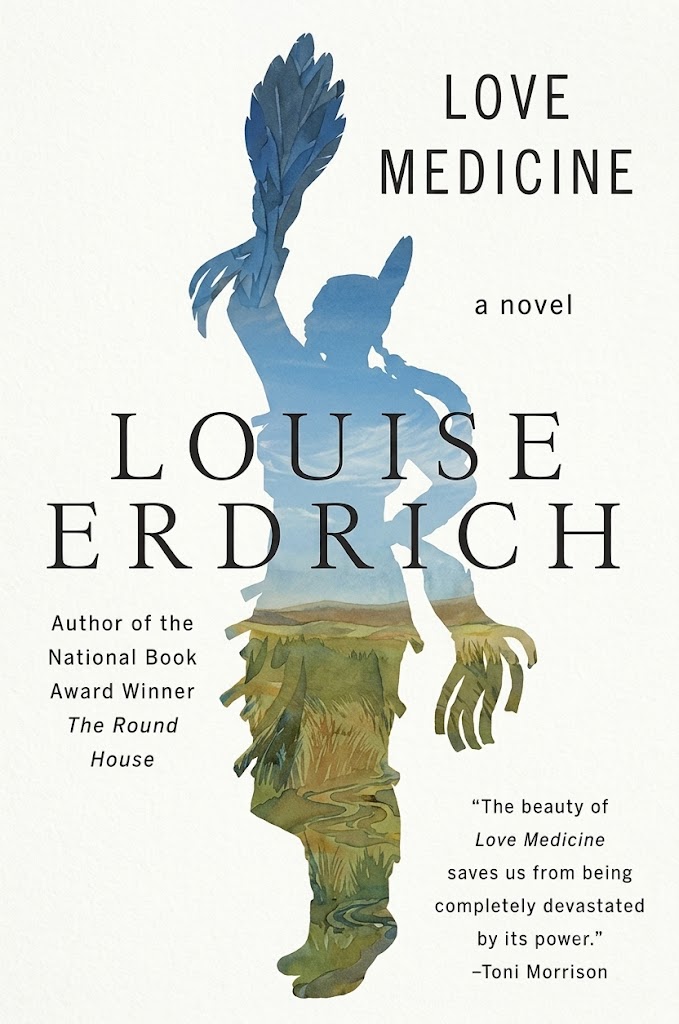
Love Medicine
Author: Louise Erdrich
Year: 1984
Publisher: Harper (revised edition 2013)
My very first Erdrich novel I read in highschool, and it helped me see the places I loved in a new light.
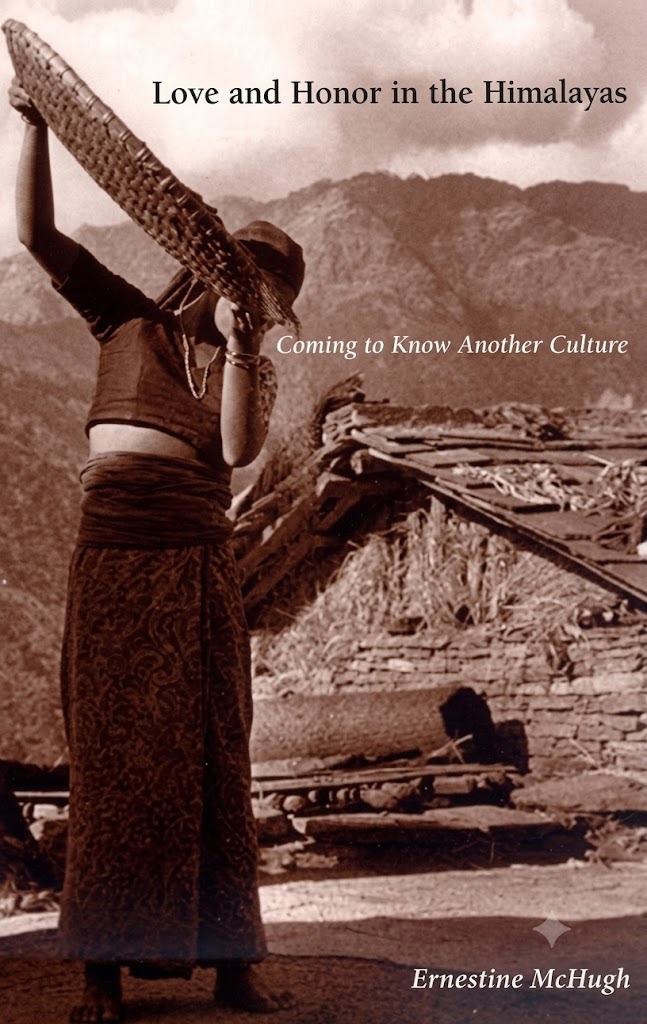
Love and Honour in the Himalayas
Author: Ernestine McHugh
Year: 2001
Publisher: University of Pennsylvania Press
McHugh’s book is a masterclass in first-person writing. It finds a balance between inner experience and the outer world.
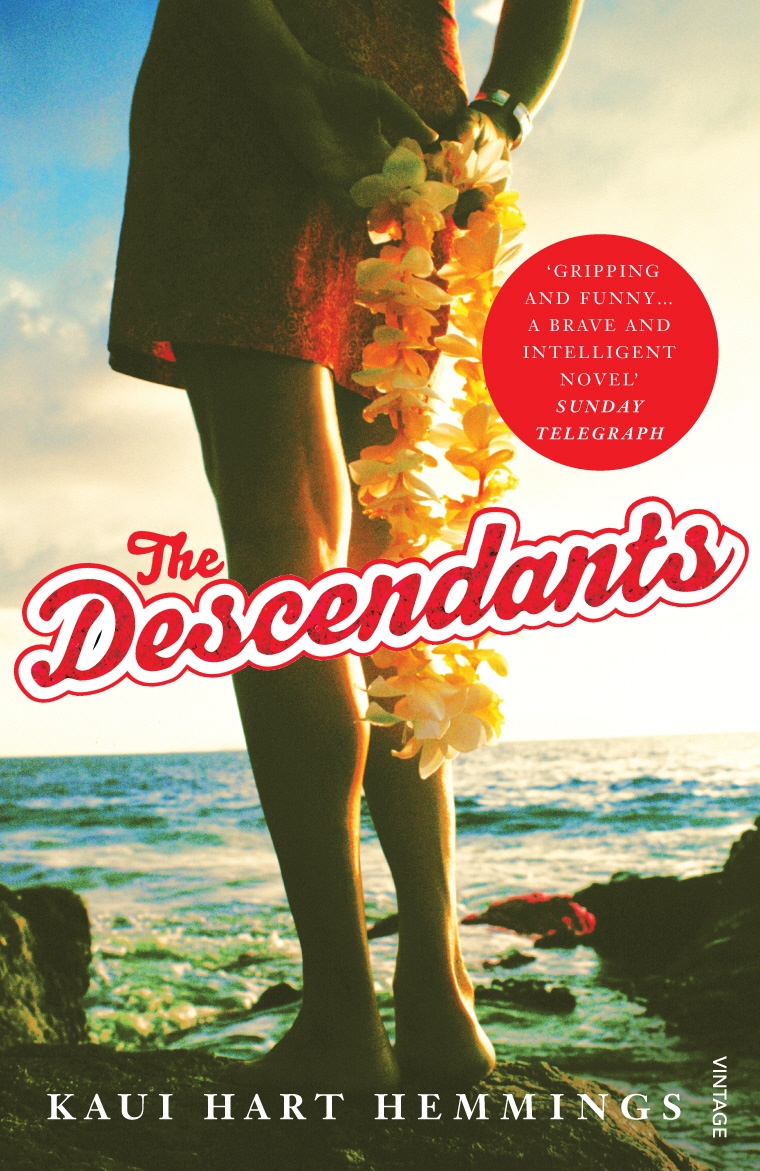
The Descendants
Author: Kaui Hart Hemmings
Year: 2007
Publisher: Random House
Both the book and its film adaptation offer a nuanced portrait of Hawaii beyond its postcard-perfect image.
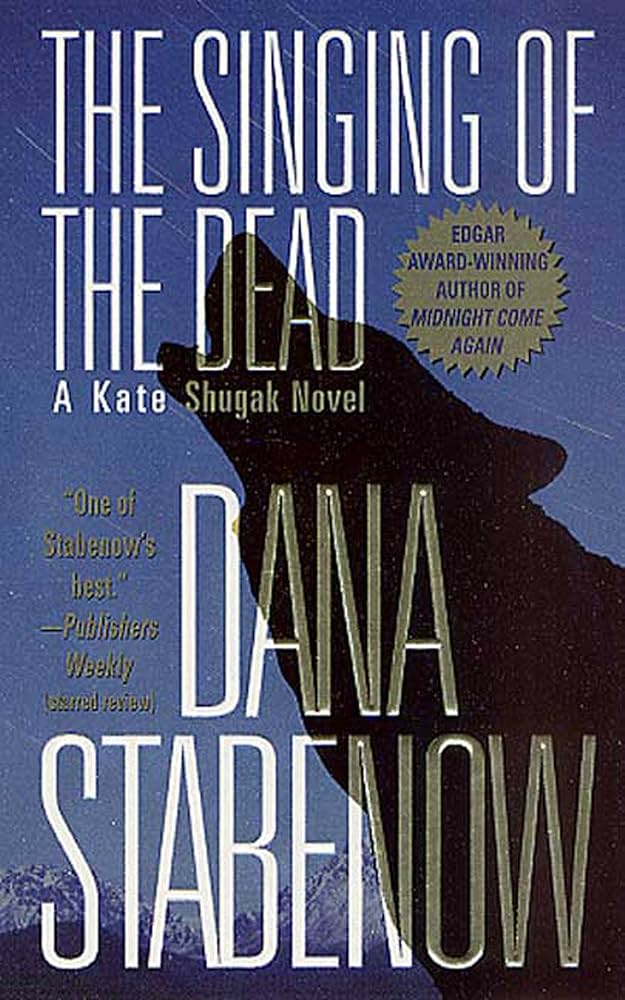
The Kate Shugak Series
Author: Dana Stabenow
Years: 1992 to 2020
Publisher: Gore-Donovan Press
Stabenow brings readers into the beautiful world of Alaska, where she was born and raised.




 17.63°C Kathmandu