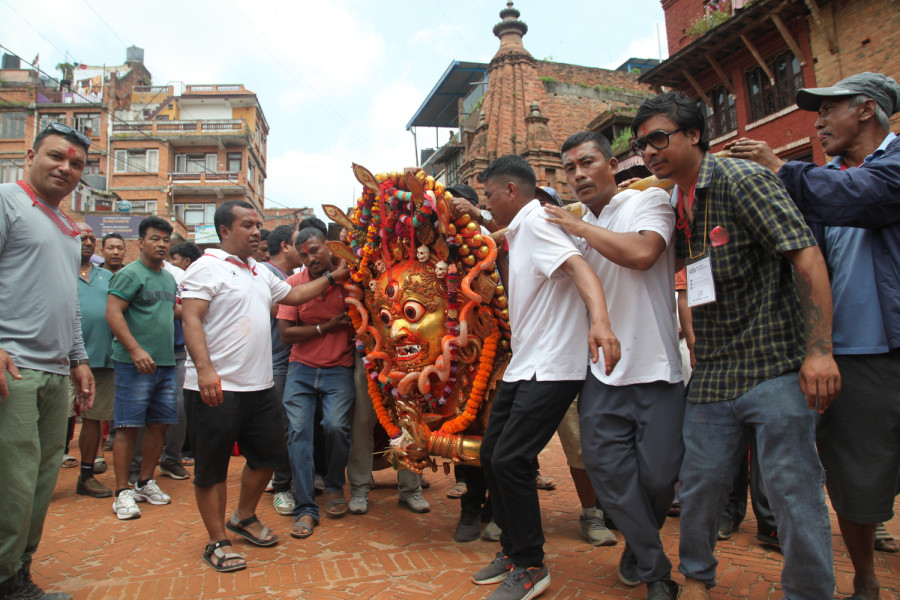
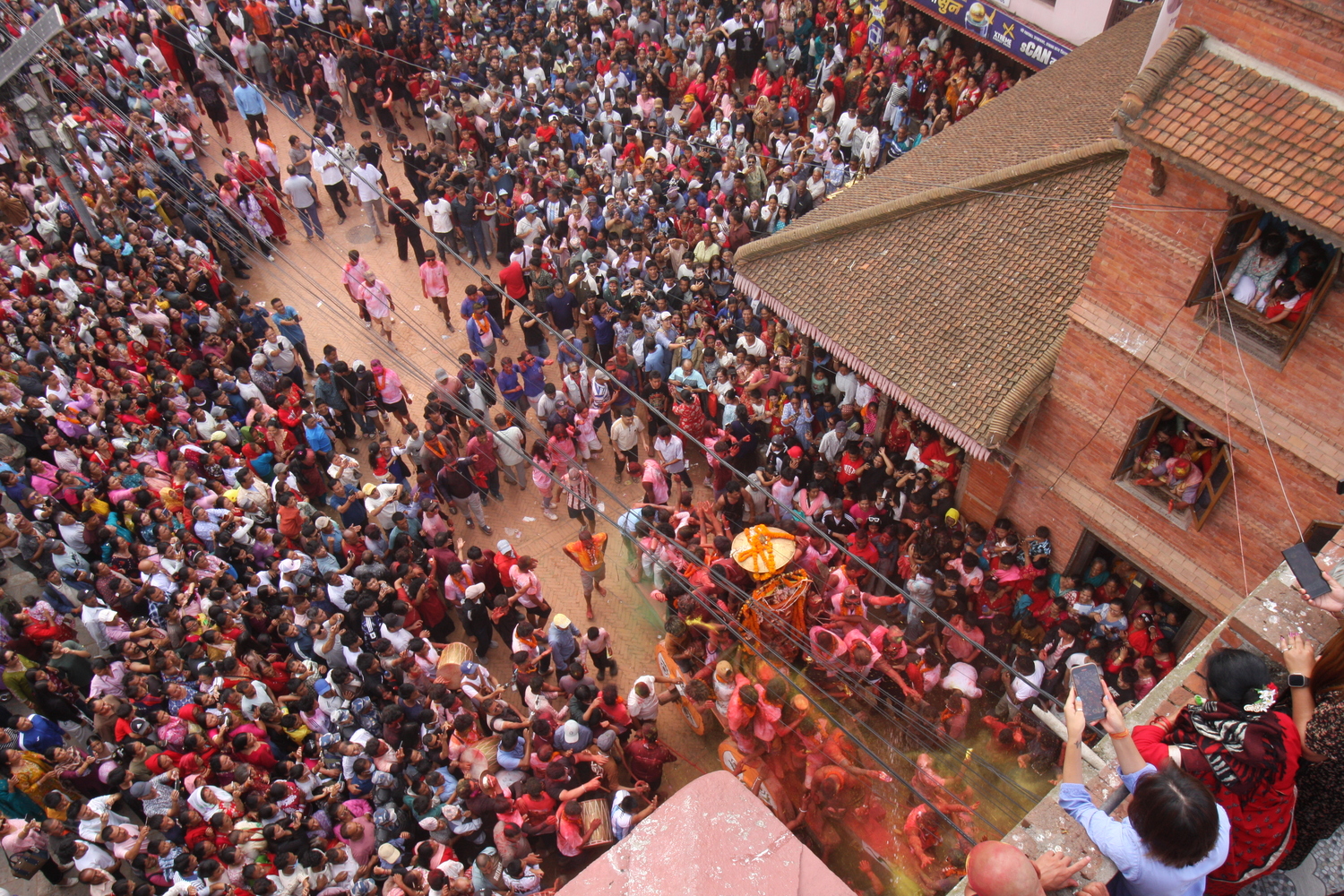
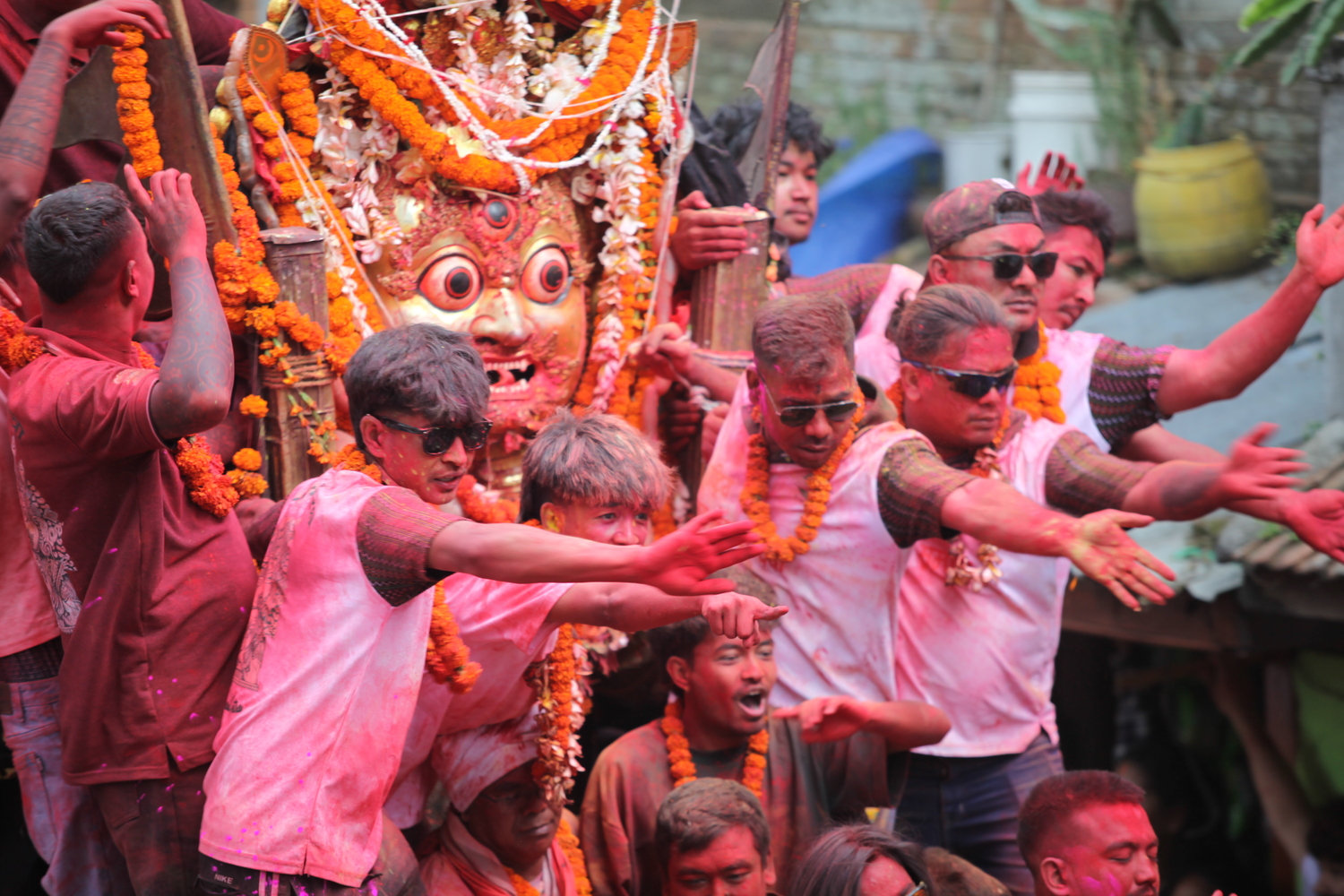
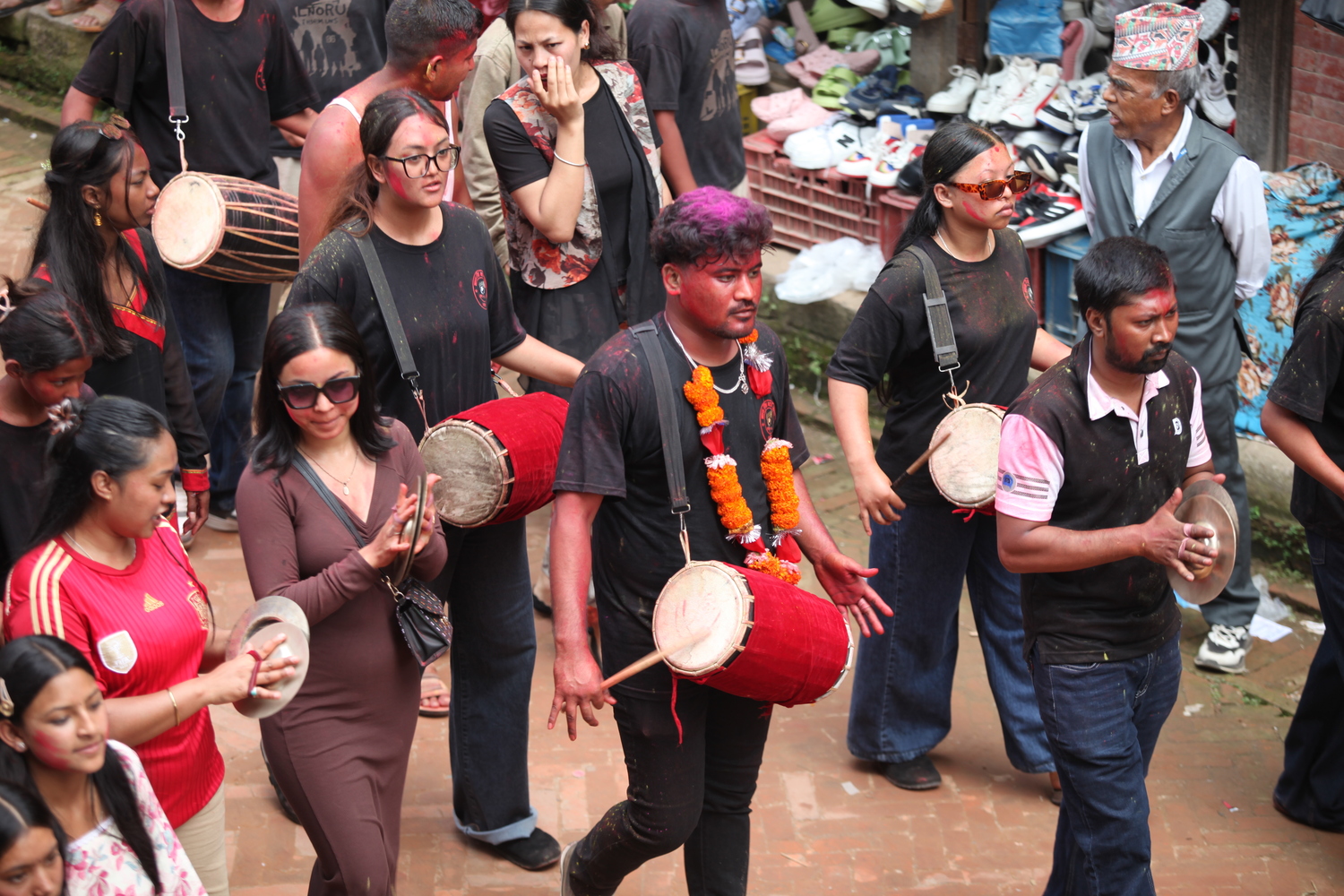
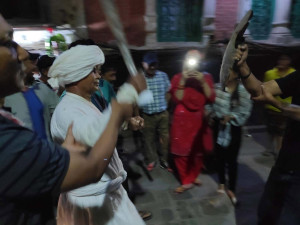
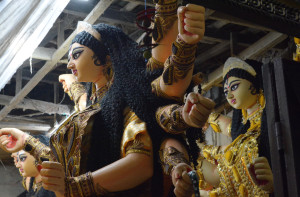
The annual festival fills Panauti’s streets with devotion, music and processions honouring the town’s guardian deities. The New Unmatta Bhairav is handed over to the Panauti Municipality for the Panauti Jatra.
Jyaa Punhi (the full moon of the month of Jestha, May-June), also Palanti Punhi, is celebrated with much commotion in Panauti, the small historic Newa city located at the junction of Punyamati and Rosi rivers, in the Banepa Valley.
For nearly ten days (June 24 to July 2), the inhabitants of Panauti celebrate and pay homage to their protective deities: Indreshwar Mahadev, Bhadrakali, Unmatta Bhairav, and Brahmayani.
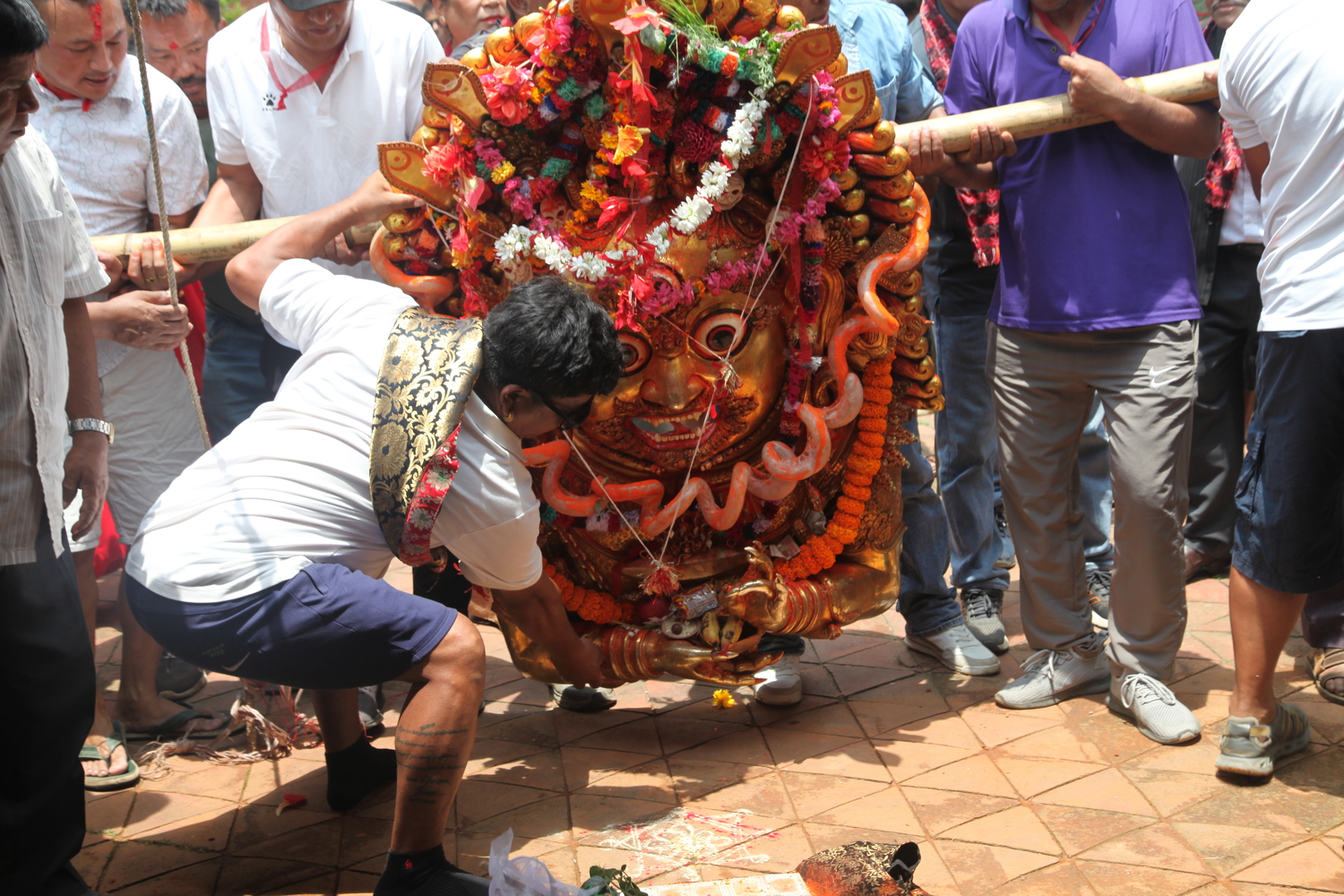
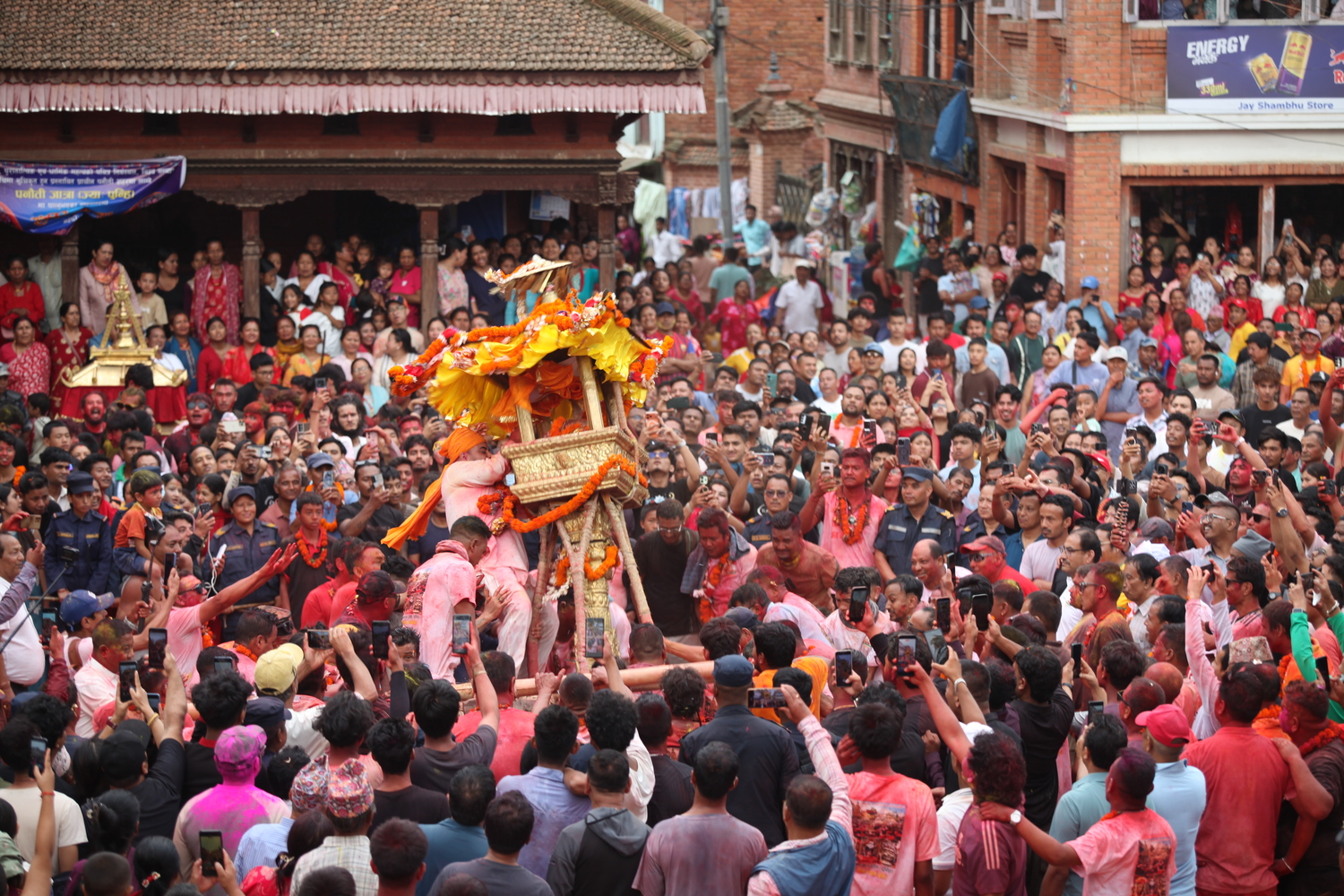
Installing the Unmatta Bhairav in the Indreswor Mahadev Temple square.
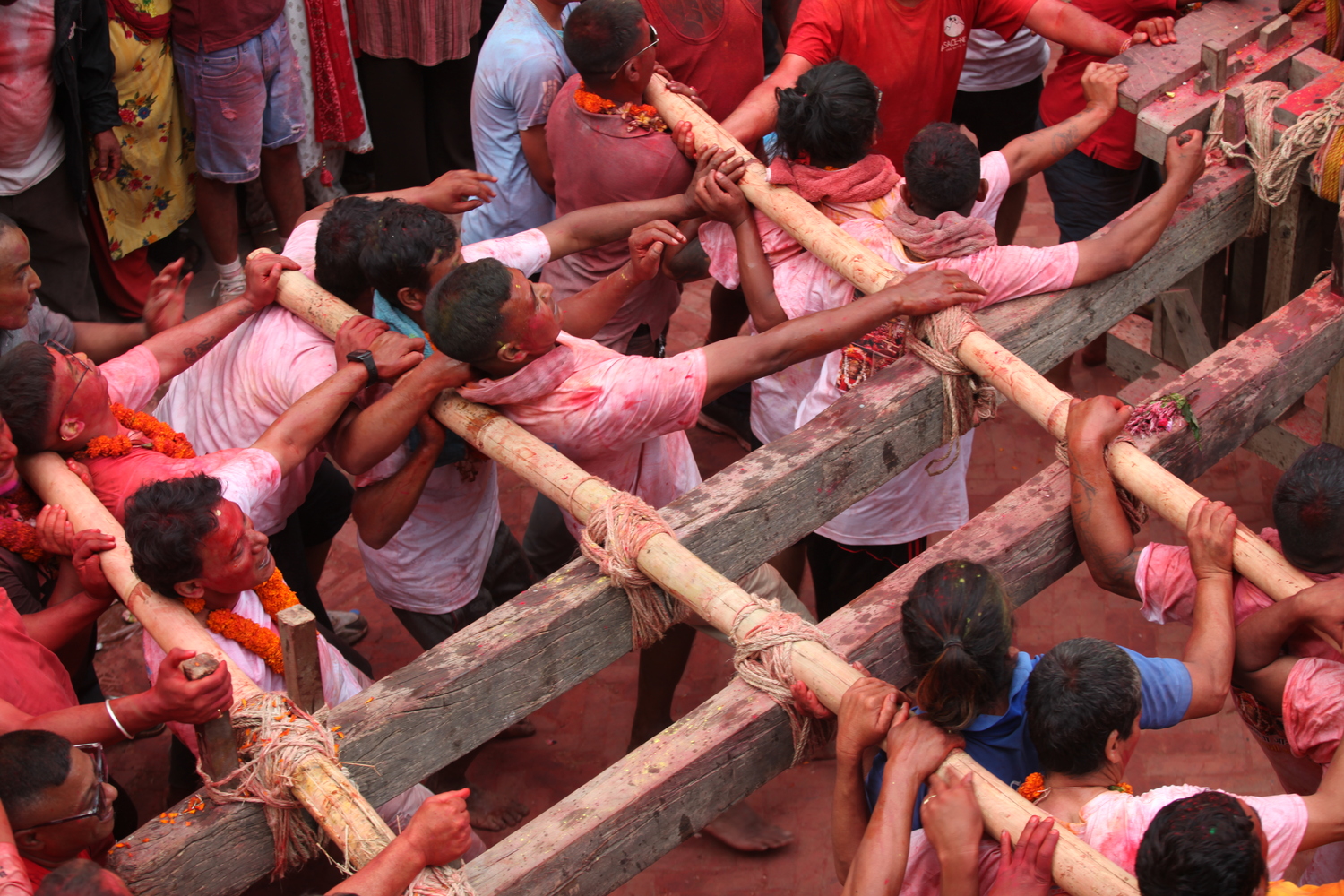
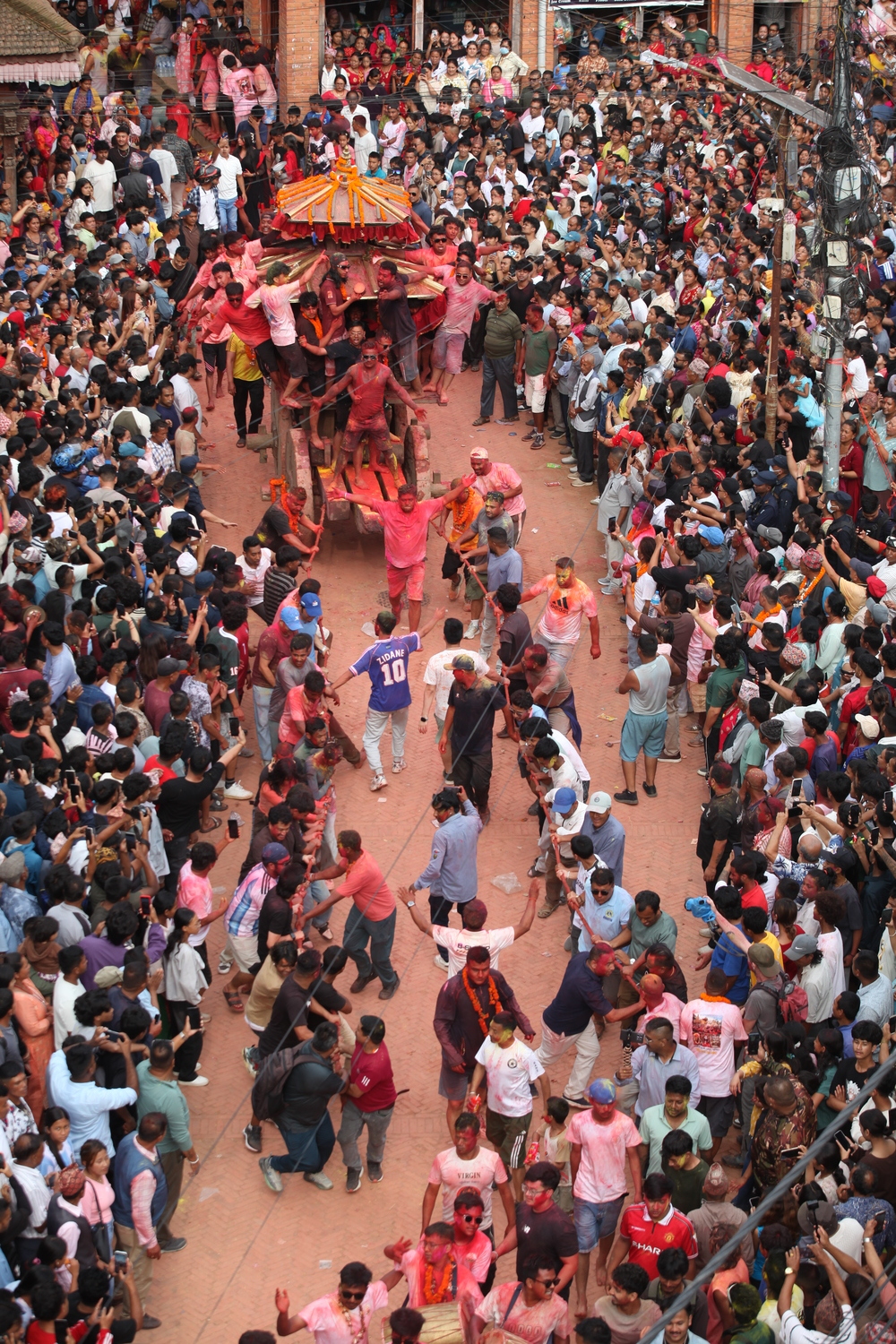
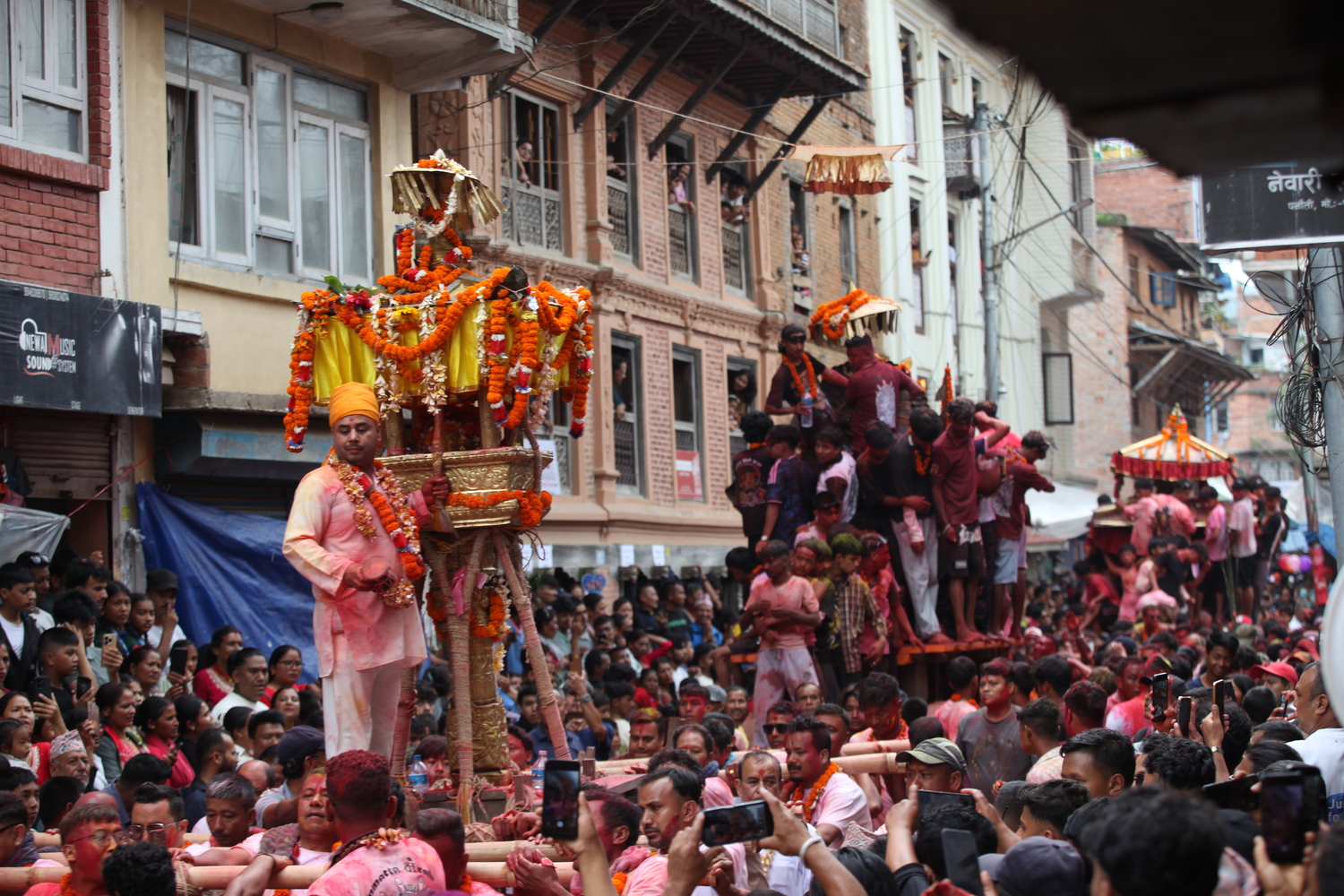
The idols are taken out of their temples, placed in palanquins or ceremonial chariots and carried/pulled in the various quarters of the city according to a prescribed route. It is a period of joy, of family gathering, of feasts, and visits to friends.
Jyaa Punhi also marks a seasonal change, announcing the arrival of the nourishing monsoon rain.
This festival is peculiar to this city and cannot be seen in other Newa towns or villages. People from nearby places come to attend it. The pageant expresses the unity of the locality, where all Newa castes in the city collaborate to perform the various functions.
Interestingly, Pode fishermen tend to the bowels of a buffalo sacrificed to Thampa Bhairava. They offer some of this meat to Indreshvar Mahadev on the eve of the full moon and carry the rest in other parts of the city. This fascinating ritual is called la pulegu.
It commemorates the death of a past usurper (Bhaju Kasa by name) and the final victory of Bhupatindra Malla, a famous king of Bhaktapur, over this tricky person.
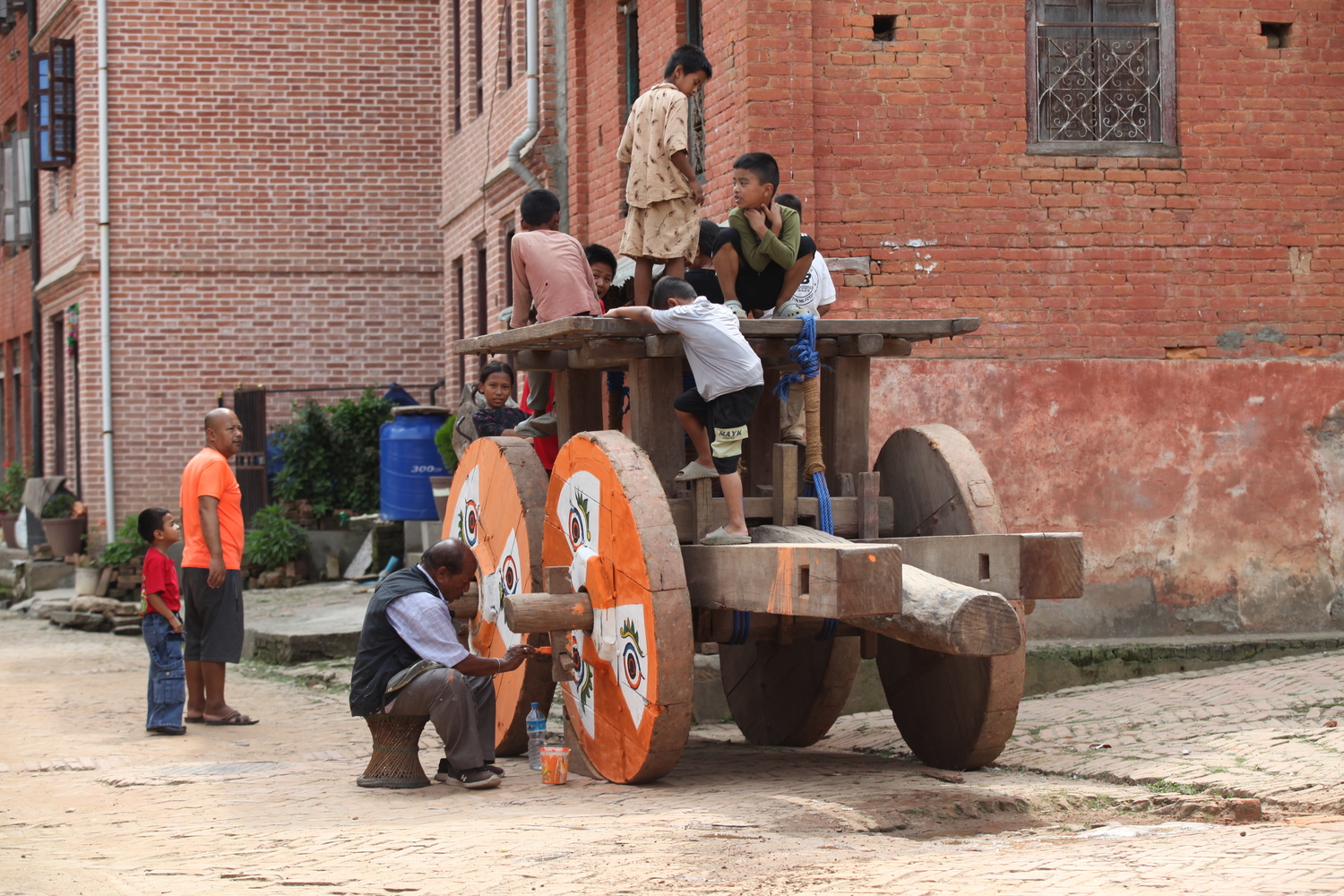
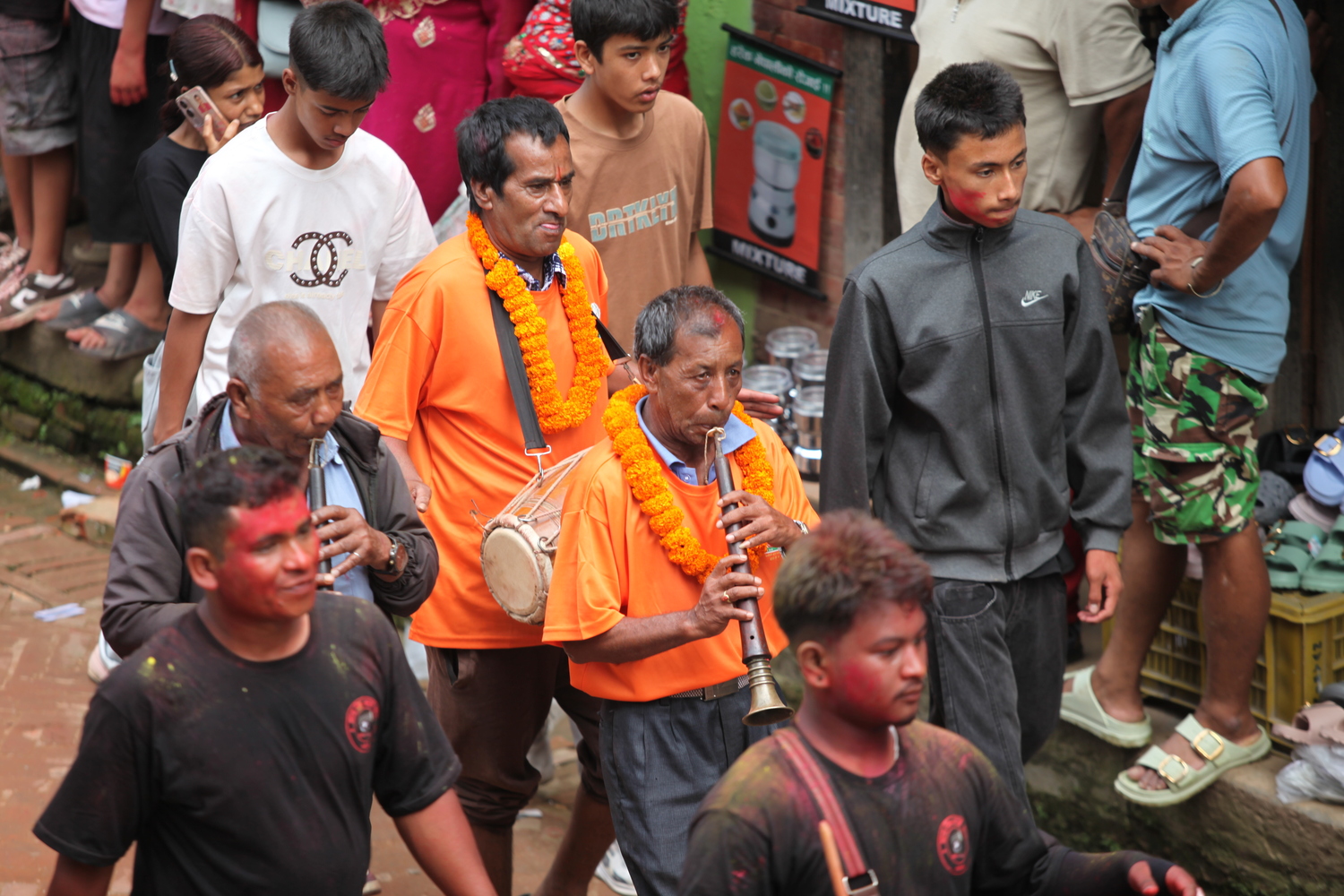
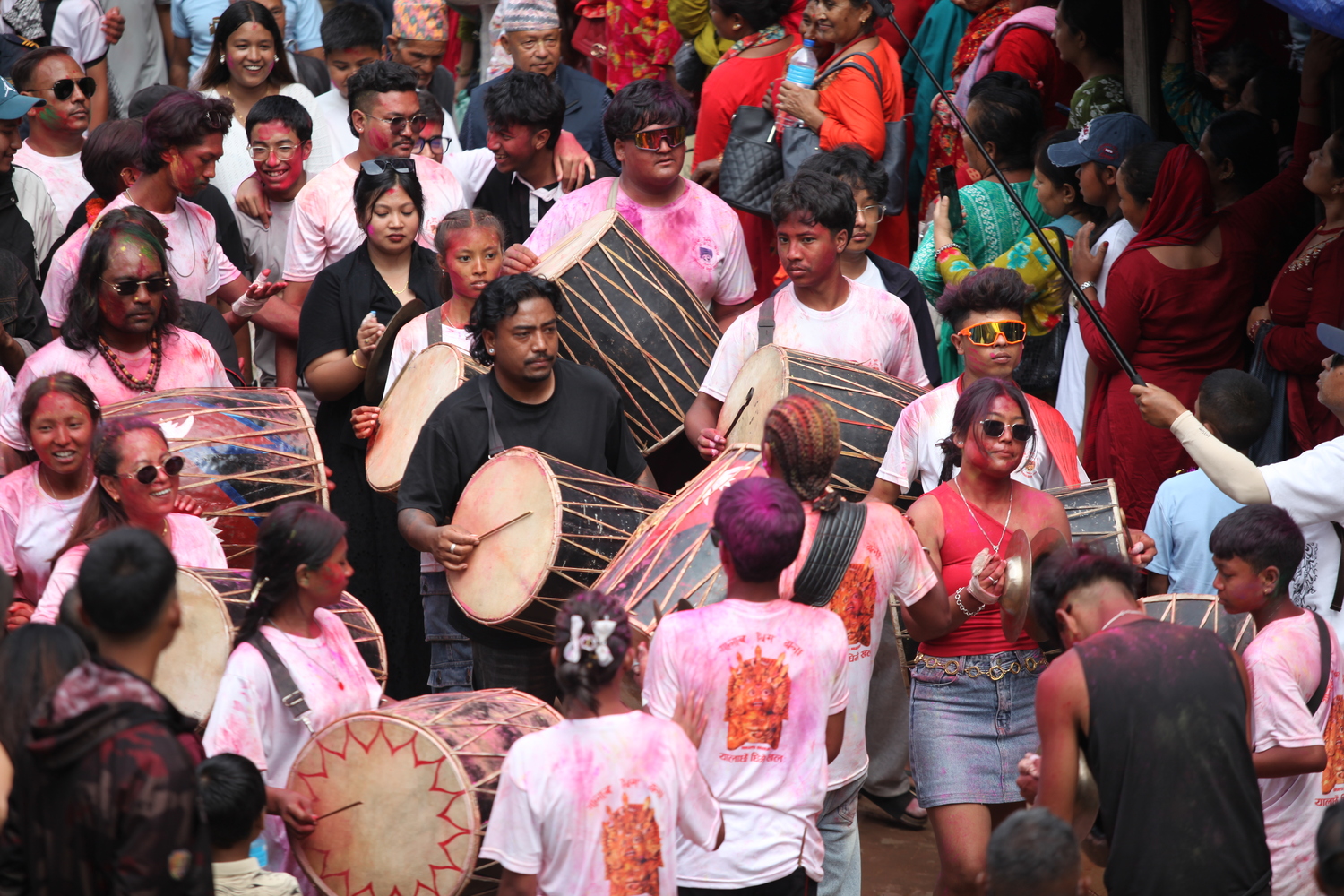
Decorating Unmatta Bhairav Chariot. Devotees take part in the Jyaa Punhi celebrations in Panauti. Residents pull a ceremonial chariot through the historic streets of Panauti. Traditional rituals bring together people from different Newa communities during the week-long celebration.The festival honours Panauti’s guardian deities with elaborate rituals, processions and community gatherings.Musicians accompany the procession through Panauti’s ancient neighbourhoods.Jyaa Punhi also marks a seasonal change, announcing the arrival of the nourishing monsoon rain.Local musicians perform as part of the celebrations.Devotees offer prayers during the procession.Traditional customs remain at the heart of the festival.




 12.71°C Kathmandu