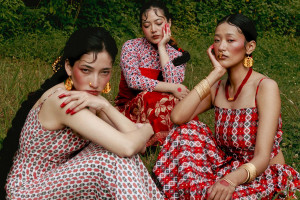
Many Kathmandu residents celebrate National Paddy Day despite not knowing its origins, as dahi-chiura vendors say the tradition is fading in the capital. Shutterstock
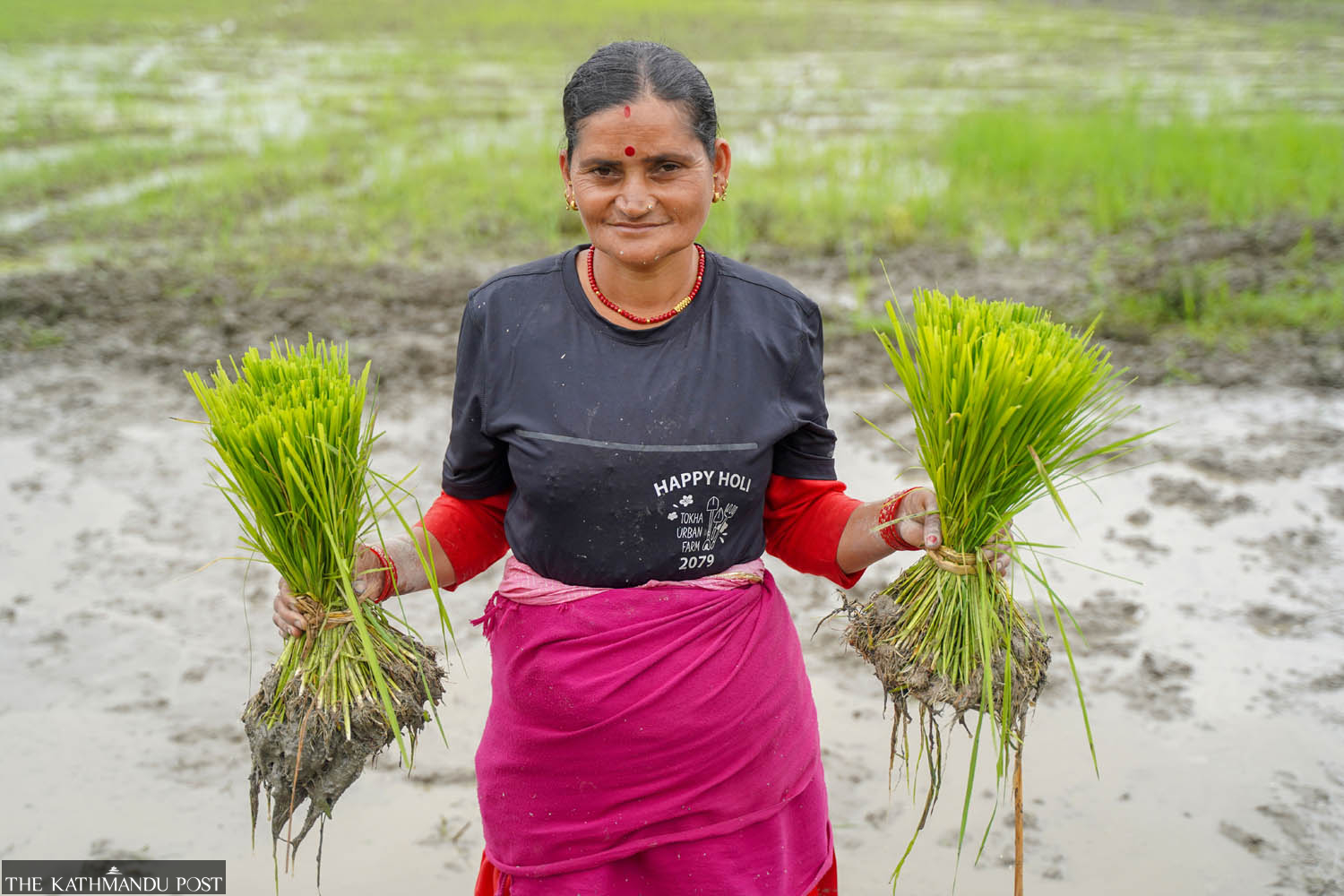
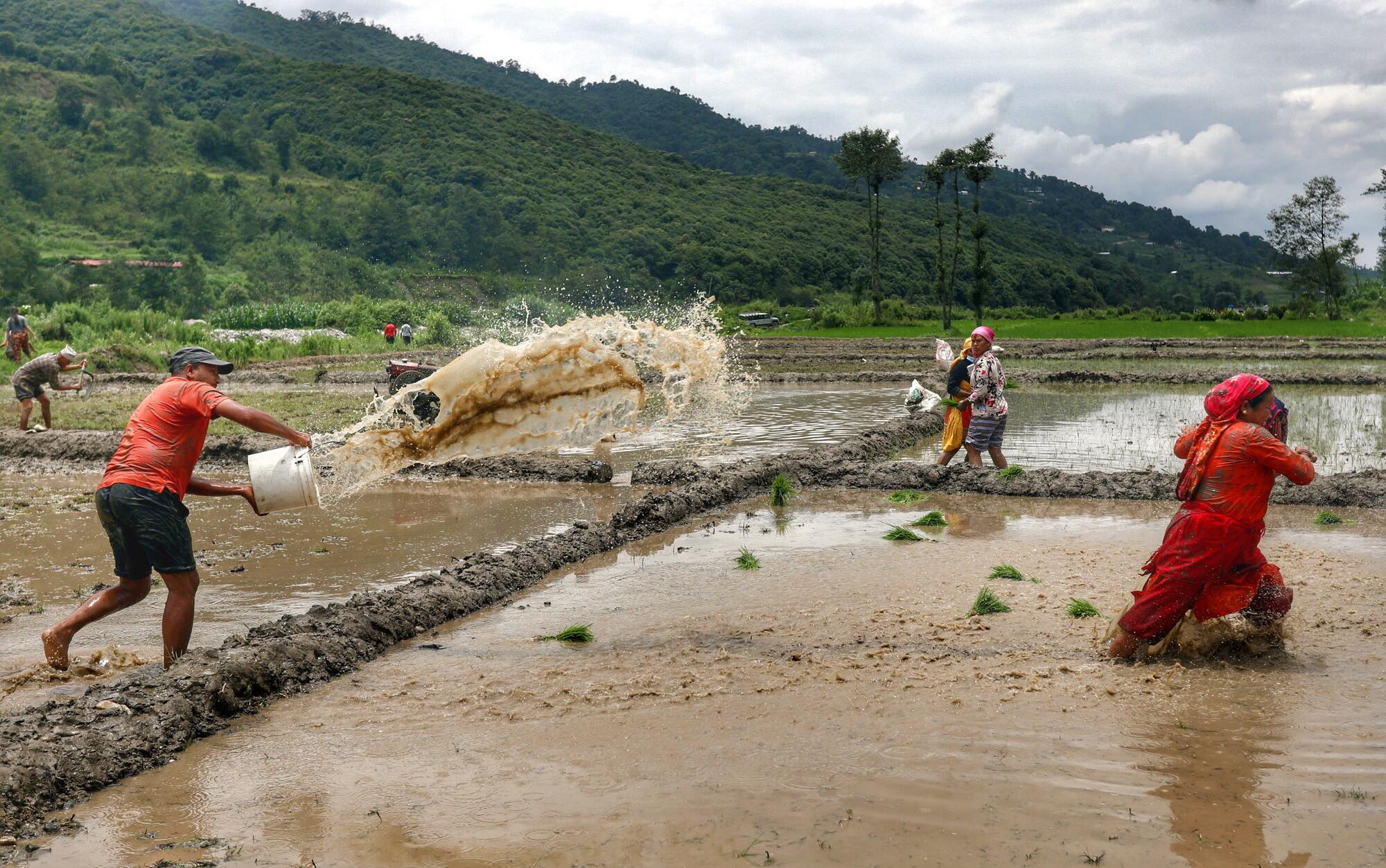
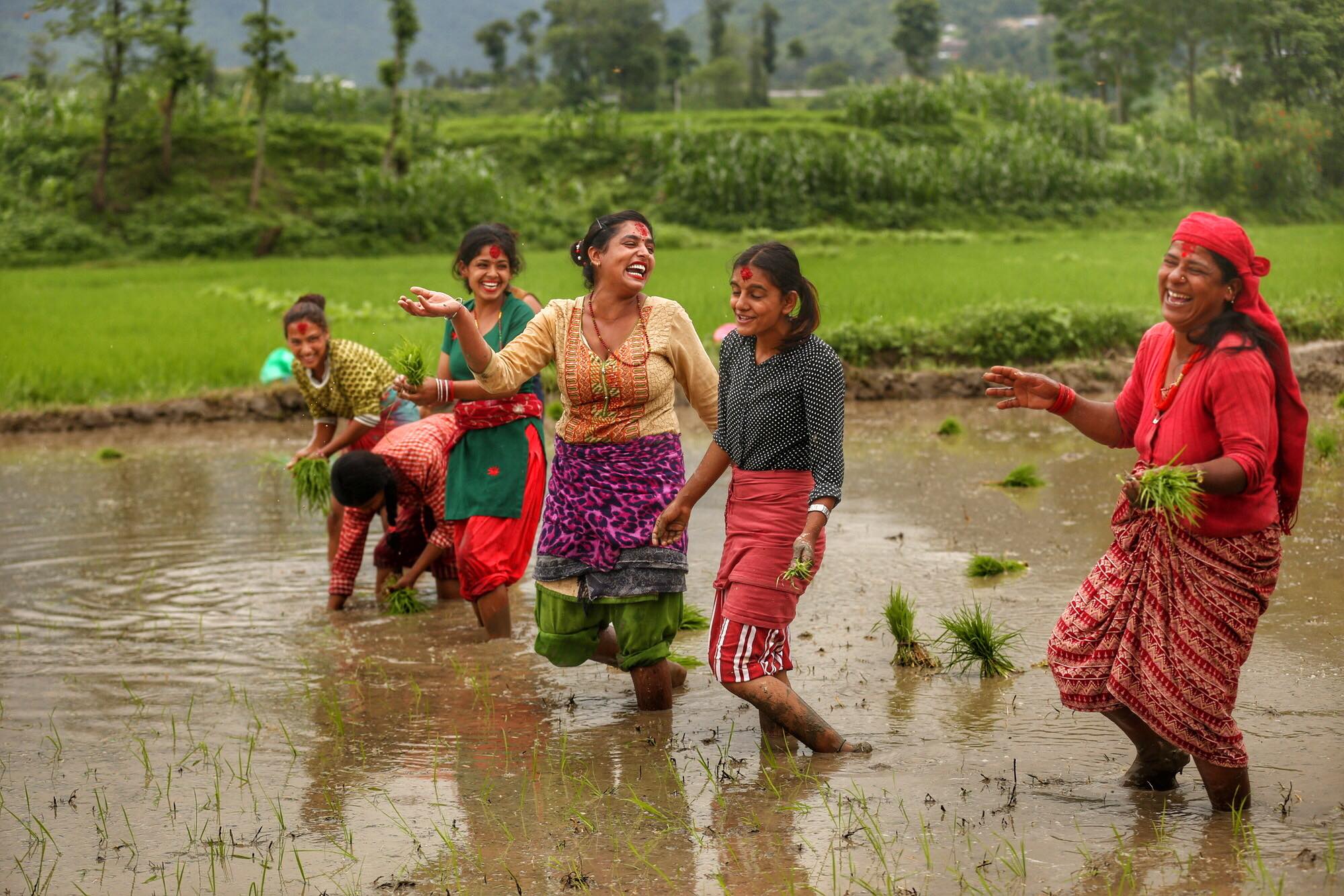
Asar 15 (June 29 this year) has been celebrated as ‘National Paddy Day’ or ‘Dhan Diwas’ in Nepal since 2004. Culturally, Asar, the third month of the Bikram Sambat calendar, which begins in mid-June, marks the start of Nepal’s monsoon season, ideal for rice planting. And eating dahi chiura, as everyone has grown up hearing, is an indispensable part of this day.
But the origins of the practice seem unclear, and the days’ significance seems to be waning, at least in the National capital.
Often, planting the fields takes the whole community’s engagement. In Nepal’s agrarian villages, where sustenance farming is still a reality, the successful planting of fields is cause for celebration. In the capital’s markets, flooded with inexpensive and abundant daily rations, not so much.
The Post spoke to vendors, buyers and pedestrians on the streets of Kathmandu on Sunday on the significance of this day.
Kalimati’s Sweet Cave, known locally as ‘Jeevan Daiya Pasa’, is coming up on fifty years of operation. The store manager shares that Asar 15 has become less relevant over the years. “Before Covid-19, people used to come more reliably in the days leading up to and on Asar 15 for dahi, the numbers have gone down since.”
Post file photo
The manager notes that many customers have expressed an aversion to dairy products in recent years. “People have health restrictions now; many are sick,” he says. “I have never really celebrated. I do not really know what it is, I have only heard about it,” he adds.
Shiva Kumar Thapa owns a dairy store near Sweet Cave. The 47-year-old Dhading resident said that while he saw some additional sales, they were not substantial. “The fields are barren. Everyone is working in the cities. If people are on the fields tomorrow, they are there to make reels for social media, not to work the fields,” he says.
The store owner adds, in between packing up milk in transparent plastic bags for his regulars, “Dahi chiura is for the farmers; there are no farmers now, so no one’s eating anymore.”
Manoj Shrestha has been running a chiura mill for more than three decades. He has a traditional chulo setup with four massive karahi pots mounted atop brick and clay. He is the oldest of five siblings, all of whom are in the same line of old family work. “Few come to buy chiura for the occasion. I used to sell 50 kilos in a day. It is not like that anymore.”
When asked about sales around Asar 15, he says, “Sales used to be good. 200 kilos per day around this time of year. I think I might lose 35 kilos this week.”
Between checking the live World Cup match on his phone and feeding walnut husks into the earthen stove, Shrestha laughs when asked if he likes chiura, “Oh! I love it. I eat it all the time. Takes a few kilos of chiura a week to feed my family. We all love it.”
Shrestha shares that the market is flooded with cheaper goods. “There is chiura everywhere now. Many stores sell at Rs100 a kilo, we sell at Rs200, so people don’t come here.”
Out of the many customers visiting a store to buy dahi, a 69-year-old customer comments on the day, “Well, I don’t really know. It’s just what I grew up doing.”
Another pedestrian, aged 86 and who has lived in Kathmandu her whole life, also says she is unaware of where the tradition originated. She asserts there might not really be much to it. “I grew up with my mother telling me it was auspicious to eat dahi chiura on the 15th. That is what I did every year for my family, too. If there was anything behind it, I should have known by now. I have lived long enough and known enough people to come across a ‘why’, but I haven’t.”
Some customers seem to have answers. “It is a celebration. Having finished the plantation is a big accomplishment. It takes the whole village to get it done. For people whose food comes from their own fields, you hope for a good harvest. It is thought of as auspicious,” one pedestrian in Kalimati says.
In today’s Kathmandu, far away from agrarian life, for many, eating dahi chiura is a remnant of a different time and place. The day’s waning significance in the city might speak to a growing divide between the rural and the urban. Asar 15 is still celebrated across the country with much enthusiasm. Karnali province even marks the day with a holiday.
Rivash Rijal is a culture and lifestyle intern at the post. He is also a rising senior at St John's College in Santa Fe, NM. He will be graduating from the class of 2027 with a BA in Philosophy, Literature and Natural Sciences.




 16.78°C Kathmandu