



 27.12°C Kathmandu

Mon, Apr 20, 2026
Culture & Lifestyle
Embracing differences for a more peaceful world
The ability to understand and navigate the complexities of cultural variations is the essence of cross-cultural literacy.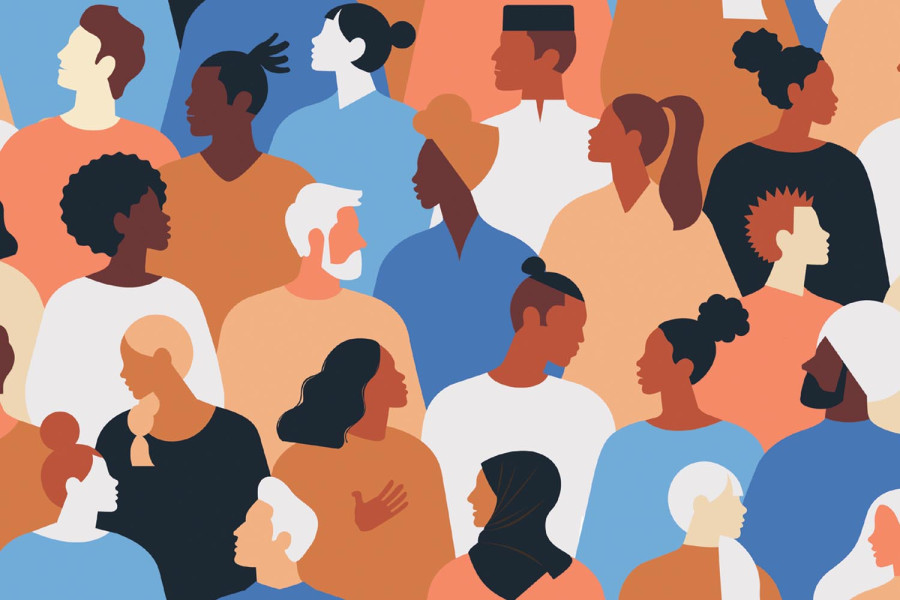
bookmark
Anish Ghimire
Published at : August 6, 2023
Updated at : August 6, 2023 08:11
Kathmandu
The capacity to bridge cultural differences and promote understanding between people from different backgrounds has become essential in our increasingly linked society. Cross-cultural literacy is a concept that is becoming more popular in the fields of education, diplomacy, and business. It goes beyond merely having a passing familiarity with other cultures and focuses more on building successful communication across cultural barriers, cultivating empathy, and understanding the intricacies of customs and values. Societies can create bridges of understanding that ultimately encourage peaceful interactions and coexistence among varied people through fostering cross-cultural literacy.
The ability to understand and navigate the complexities of cultural variations is the essence of cross-cultural literacy. It involves learning about the viewpoints, life experiences, and beliefs of people from various backgrounds rather than just memorising facts about various cultures.
Dwiki Hariyono, an Indonesian national and a former AIESEC (an international youth-run and led non-governmental organisation that does exchange programmes) moderator, says that cross-cultural literacy is not just about knowing the surface-level customs and practices of different cultures. “It is about embracing a mindset of empathy and openness, seeking to understand the world through the eyes of others, and actively engaging in meaningful intercultural conversations,” he says.
According to Hariyono, the core of cross-cultural literacy is empathy. When individuals strive to understand the cultural backgrounds and experiences of others, they can better connect with their emotions and perspectives. This ability to empathise builds bridges of trust and mutual respect, reducing the potential for misunderstandings and conflict. Cultural differences stop being a source of conflict and start serving as a source of enrichment for people when they learn to recognise the universality of human emotions and experiences.
Barada Upreti, a summer school participant in Germany, discusses her life-changing experience when she travelled abroad. “Through my interactions with people from diverse cultural backgrounds during the summer school program, I learned the true power of empathy,” she said. “Empathy allows us to transcend our differences and find common ground, fostering an environment where understanding and cooperation can flourish.”
Misunderstandings between individuals from different cultures can arise from misinterpretations of behaviour, communication styles, and social norms. Cross-cultural literacy equips individuals with the skills to recognise and address these misunderstandings before they escalate into conflicts.
By being aware of cultural differences in communication, non-verbal cues, and decision-making processes, individuals can adjust their interactions to accommodate and respect the perspectives of others. In doing so, they create a more inclusive and harmonious environment where diverse voices are heard and valued.
Cross-cultural literacy is also about promoting peaceful interactions and breaking barriers among diverse societies. Najya Indra, a former AIESEC exchange student coordinator, emphasises the transformative power of cross-cultural literacy in fostering peaceful coexistence and breaking barriers. “While I’m aware that some individuals might undervalue the effort required to understand one another’s cultures, I still think that’s a decent place to start,” he says. “As corny as it may sound, being open to cultural differences makes us realise that we share a great deal in common, which makes it possible to overcome obstacles and foster harmonious connections.”
Education and exchange programs are instrumental in nurturing cross-cultural literacy. Through structured initiatives like language courses, cultural workshops, and international exchanges, individuals can engage in immersive experiences that deepen their cross-cultural awareness and understanding.
Indra believes that formal education can also play a role in fostering cross-cultural literacy. He adds that incorporating cross-cultural learning modules in school curricula helps young minds develop these essential skills early. “This can prepare children to be global citizens who embrace diversity and work collaboratively across borders,” he says.
Both Upreti and Indra agree that cross-cultural literacy has helped them embrace ideas of diversity, cultivate empathy, and encouraged them to work to create peaceful interactions. “By nurturing a mindset of openness, understanding, and appreciation for different cultures, societies can build bridges of understanding that stretch beyond man-made borders,” says Upreti.
Anish Ghimire
Ghimire is the Culture and Lifestyle Editor at the Post. He is also the author of 'A Walk Away From Home' and 'The Stardust In Us'.




Most Read from Culture & Lifestyle

End of an era in Indian music: Legendary singer Asha Bhosle dies after critical health battle in Mumbai

Nepal’s ‘Elephants in the Fog’ selected for Cannes’ Un Certain Regard

From Kailali to K-pop: HARA’s debut on the Seoul stage

A new way of dating: Logging off and showing up

‘Matka King’: Nagraj Manjule’s series falls into familiar traps
Editor's Picks
Inside the Rs 3.73 billion fraud investigation shaking Nepal’s business elite

How Nepal silences women in public life
Prime Minister Balendra Shah resets Nepal’s diplomatic posture in a single day
Nepali woman left for a caregiving job in Israel. She ended up in Palestine

EV demand in Nepal is growing but so is cost
E-PAPER | April 20, 2026

×