25.95°C Kathmandu
Why past struggles alone no longer appeal to the Madheshi youth today
Reviving Madheshi sub-nationalism and showing its economic potential may be the greatest service ageing leaders can give Madhesh.
Reviving Madheshi sub-nationalism and showing its economic potential may be the greatest service ageing leaders can give Madhesh.
Nearly nine in ten Nepali workers are informal, yet the system built to protect them barely reaches them. Registration alone won’t fix that.
Seizing a device, searching it and demanding its password are three different acts. Nepal’s laws and police procedures should treat them that way.
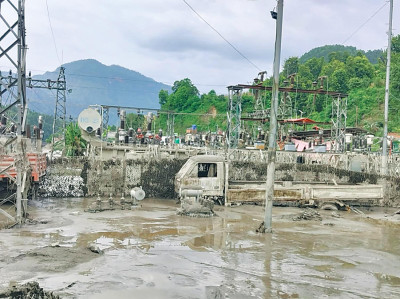
The Bhotekoshi flood and the Kaligandaki landslides exposed a grid that depends on a few valleys and on river flow. Winter evenings, when demand peaks and India’s imports stop, will show how much of Nepal’s power is dependable.
From village gatherings and tika from grandparents to the struggles of celebrating away from home, the festival remains a reminder of childhood joys and the family bonds that endure.
As families gather for Dashain, many are asking whether joy is insensitive when others are still searching, mourning and rebuilding. Psychology says joy and compassion can coexist.
Orwell feared a vocabulary too flat to think in. We managed it ourselves, for free, with filters.
The failure to expand electric cooking in Nepali kitchens shows how Nepal’s energy policies are failing its people.
Nepal’s shift to fewer, stronger maternal facilities is sound. The floods show those facilities also have to hold up in a disaster.
Dashain’s prominence in Nepali media is understandable, but how consistently do news outlets recognise the festivals of other religious and cultural communities?
Crime now arrives as a friend request, a familiar voice, a link too good to ignore. Policing it will take better machines, better-prepared personnel and a public that trusts us enough to talk.
Nepal pays billions a year for work it does not count and daughters it did not educate.
Stories from Nepal have become more common internationally in recent decades, although positive ones are rare.
A monitoring framework can count toilets built, but not whether people use them, they’re well located or work for women.
Recurring disasters in Nepal destroy crops, permanently erode farmland, displace families and worsen economic inequality.
The government must immediately secure clean water, enforce emergency sanitation and monitor emerging infections.
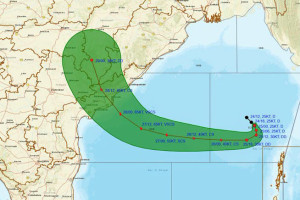
When a few hours’ notice can save lives, fragmented or missing cross-country information becomes dangerous.
Political parties’ historical contributions do not give them a license to control universities and student bodies.
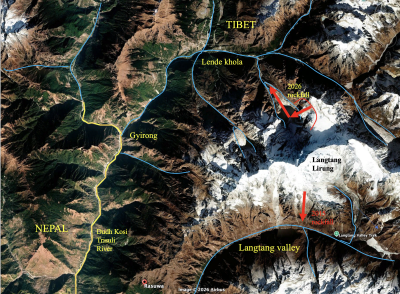
From the 51,000-year-old Tsergo Ri collapse to the 2015 Langtang landslide, rockfalls are part of the Himalayan ecosystem, and global warming is making them more dangerous.
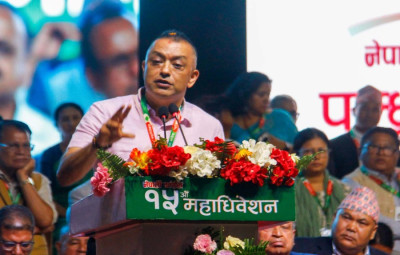
The Khula Manch offered a rare view of political leaders from different parties presenting their failed dreams and new ideas for the future.









.PNG&w=400&height=267)