Deuba camp divided over push to make Sanatan religion national identity
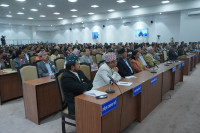
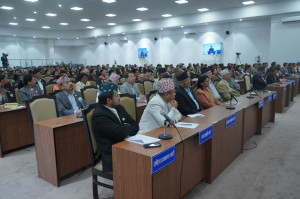
Disagreement over the proposal delays the Nepali Congress gathering’s conclusions and forces the postponement of a scheduled press conference. Post Photo
A proposal to make Sanatan religion a national identity has deepened divisions within the faction of the Nepali Congress led by Sher Bahadur Deuba, preventing the party’s national gathering from issuing its conclusions and forcing the postponement of a scheduled press conference on Monday.
Leaders opposed to the proposal argue that the Nepali Congress, which led the drafting and promulgation of the current constitution, should not adopt a new political line that could undermine the constitutional gains it helped establish.
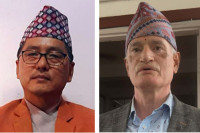
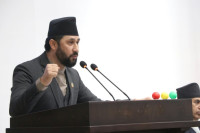
At Deuba’s urging, a five-point proposal calling for Sanatan Dharma to be promoted as Nepal’s national identity was passed by the closed session on Monday. Leaders including Krishna Prasad Sitaula, Bimalendra Nidhi, Prakash Man Singh and Min Bishwokarma opposed the move.
“The press conference was postponed because the lack of agreement on the religious issue delayed the preparation of the final document,” Bishwokarma said.
A 20-point set of conclusions had originally been prepared for adoption at the closing session. Leaders had agreed on all but point 16, which dealt with religion. Deuba objected to the wording of that provision, prompting the preparation of the separate five-point proposal.
The original 20-point draft was being finalised when the five-point proposal, which called for promoting Sanatan religion as a national identity, was passed. The original point 16 dealt only with protecting the religious freedom of all communities and did not call for Sanatan religion to be recognised as a national identity.
It stated: “As Nepal is a multi-ethnic, multilingual, multi-religious and multicultural country, the constitutional provisions guaranteeing all religious communities the freedom to practise and preserve their religions and cultures will be further clarified and strengthened to promote social harmony and religious and cultural tolerance.”
Deuba’s push for the new policy reflects his desire to replace the constitutional commitment to secularism with a Hindu state, according to leaders familiar with the discussions. Shashanka Koirala, Prakash Sharan Mahat, NP Saud and Shankar Bhandari were among those who supported the proposal. Bhandari has in recent years openly advocated both a Hindu state and a constitutional monarchy.
The third point of the five-point proposal commits the party to promoting Sanatan religion as Nepal’s national identity. It says Nepal’s longstanding religious and cultural traditions are part of its national identity and pledges to protect Hindu, Buddhist, Kirat and nature-based religious traditions while guaranteeing religious freedom and preserving the country’s tradition of religious tolerance and social harmony.
The decision to pass the five-point proposal without first presenting the original 20-point conclusions triggered a heated exchange among leaders on the stage.
Some leaders had argued that any change in the party’s position on religion should be discussed only after an internal party dispute currently before the courts is resolved. Bishwokarma said the focus on Hinduism had overshadowed all the other issues endorsed by the gathering.
Leaders from the Deuba camp, however, argue that there was strong support for Sanatan religion within the Nepali Congress even during the constitution-writing process. They say secularism was accepted as part of a political compromise when the constitution was promulgated.
Mahat said the issue of Sanatan religion had continued to surface at the party’s general convention and other formal forums after the constitution was promulgated, and described the national gathering’s decision as a significant “departure” in the party’s position.
According to Bishwokarma, the gathering had initially reached consensus on all 20 points. The dispute over whether and how to include the religious issue, however, prevented the conclusions from being finalised.




 29.12°C Kathmandu