Citizens link corruption to service delays and institutional effectiveness, survey finds
People’s Pulse 2026, conducted by Sharecast Initiative, in collaboration with The Kathmandu Post, shows citizens’ views on corruption are closely tied to their day-to-day experiences with public services, not just political narratives
Sharecast Initiative, in collaboration with The Kathmandu Post, conducted a face-to-face interview survey with 2,905 Nepalis on their perceptions regarding the country’s contemporary social, economic, and political situation.
Public debate on corruption in Nepal generally takes place at two levels. At one level, discussions focus on grand political narratives—policies, commissions, legal frameworks, speeches, and commitments.
At the other level, conversations centre on citizens’ lived experiences when accessing public services: delays in service delivery, demands for unnecessary documents, procedural hassles, or expectations of “extra” payments to expedite work.
Two questions from People’s Pulse 2026 bring these two strands of debate together for analysis.
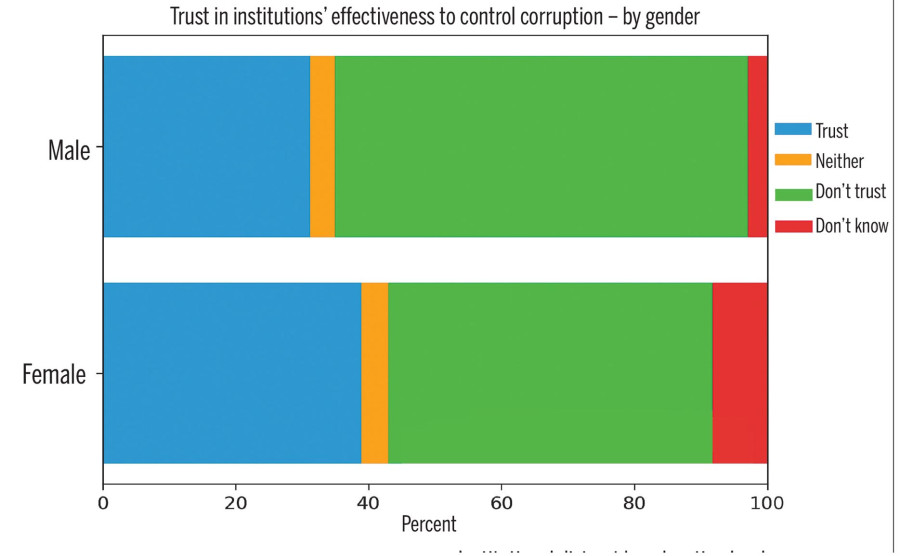
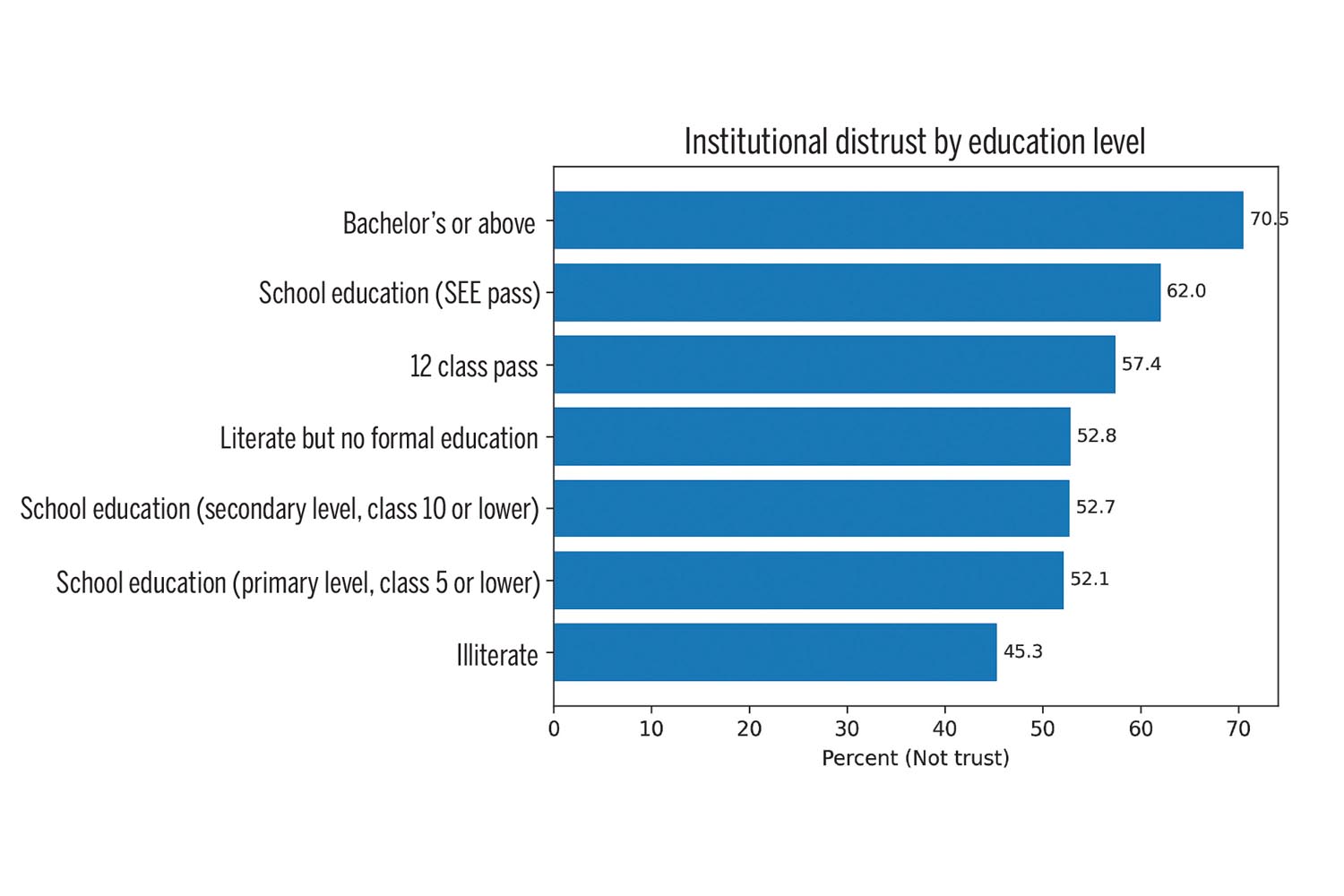
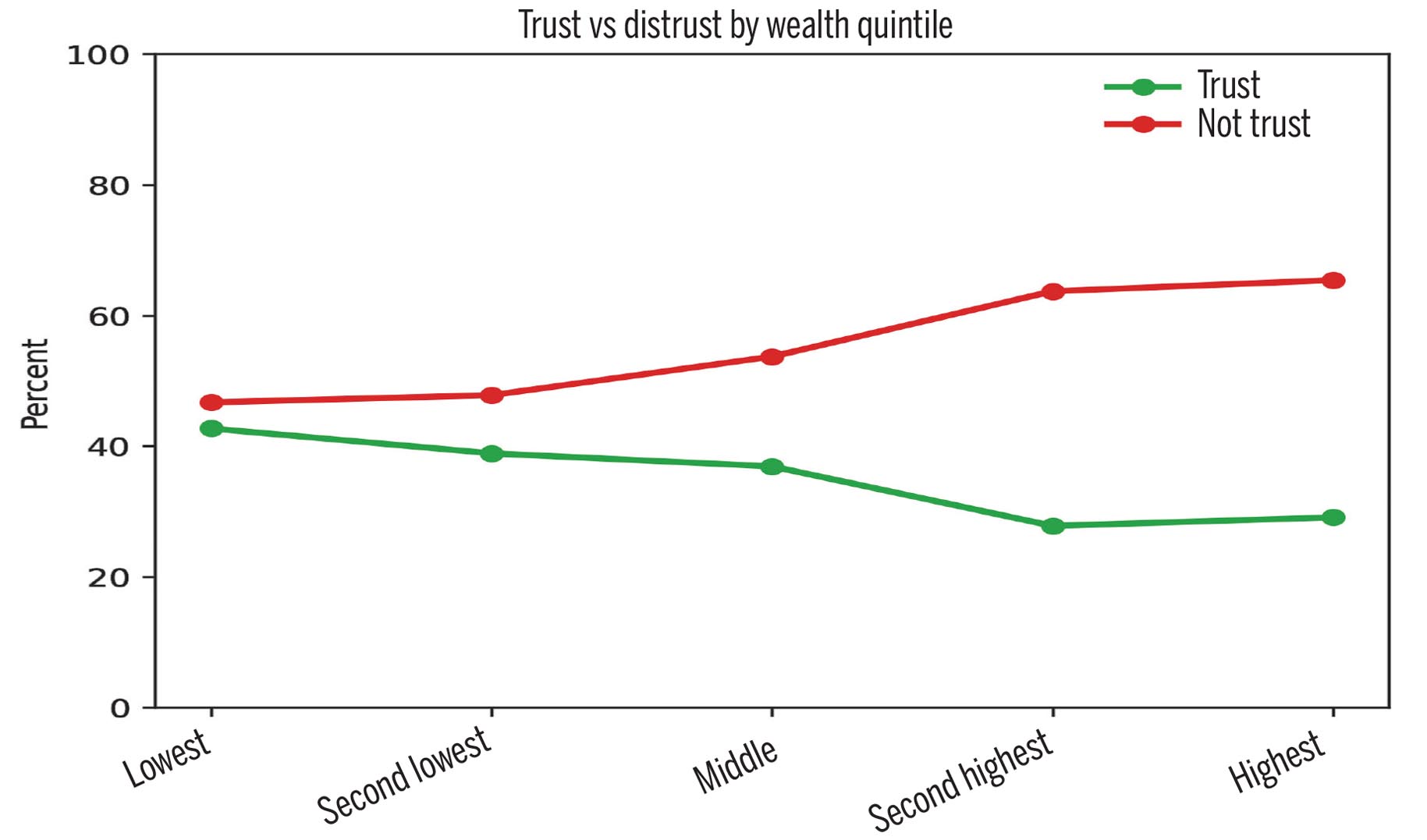
One question asks how much trust citizens have in the effectiveness of government institutions in controlling corruption. The other asks whom citizens consider primarily responsible when they fail to receive services on time, when additional benefits are expected during service delivery, or when they face unnecessary hassles or hardship in the process.
When examined together, these two findings suggest that citizens’ perceptions of corruption are not merely expressions of “political dissatisfaction” or “institutional criticism.” Rather, they also reflect layered evaluations closely tied to their direct experiences with public service delivery.
The survey was conducted through face-to-face interviews with 2,905 respondents across the country. The sample distribution accounted for all seven provinces, types of local governments (rural municipalities, municipalities, and metropolitan/sub-metropolitan cities), and household proportions.
Respondents were selected according to established sampling methods. Field data collection took place from Poush 17 to Magh 17, 2082 (Nepali calendar). The survey’s margin of error is ±5 percent.
For ease of analysis, some response options have been grouped together in this presentation. As a result, there may be slight differences in format between the original questionnaire options and the analytical groupings used here. Percentages have been rounded, so totals may not add up to exactly 100 percent.
Additionally, in analysing responses to the question about who is primarily responsible when citizens do not receive timely services or face hassles or hardship in public offices, responsibility has been linked to more than one potential actor. Consequently, when two response categories are combined, the total percentage may be slightly above or below 100 percent.




 26.19°C Kathmandu