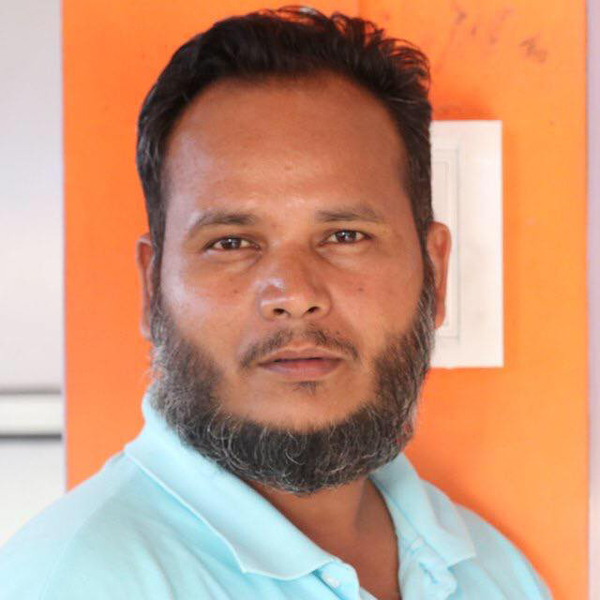
In Karaiya, ward 6 of Budhiganga Rural Municipality, Dilcharan Rishidev breaks green bamboo with a spade. Life here is a daily struggle for the 60 Musahar families living without land ownership certificates, clean drinking water, or proper schools.
“What can we do? If we don’t work, we don’t get to eat,” said Suresh Rishidev, shaking his head. “No one cares about poor labourers like us.”
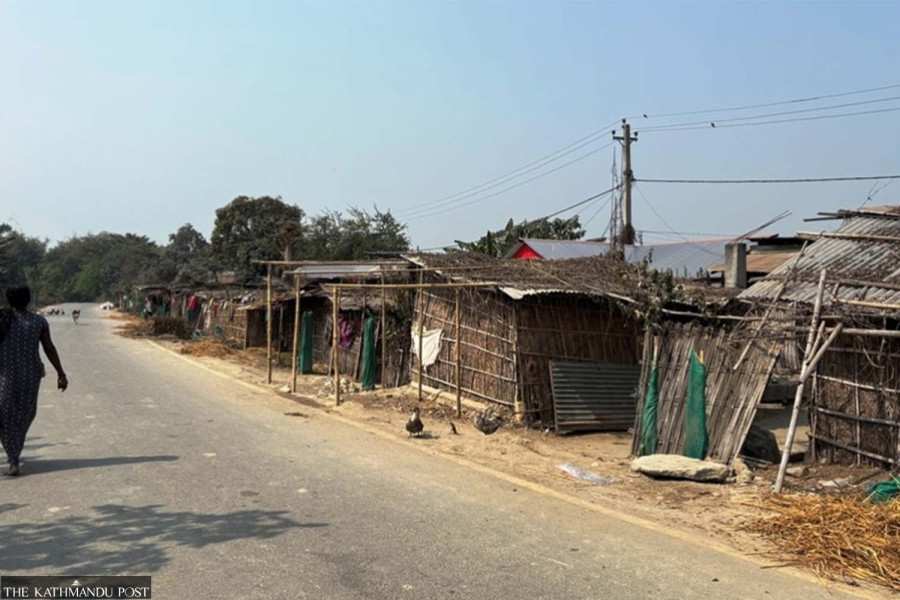
Until last year, winter dust choked the settlement. Roads around Karaiya had long been paved, but the stretch in front of their homes was blacktopped only this year. Shambha Kumari Rishidev, sitting on a bamboo stool with a child on her lap, laughed wryly when asked about the new road. “Before, the wind brought the dust; now it’s the vehicles.”
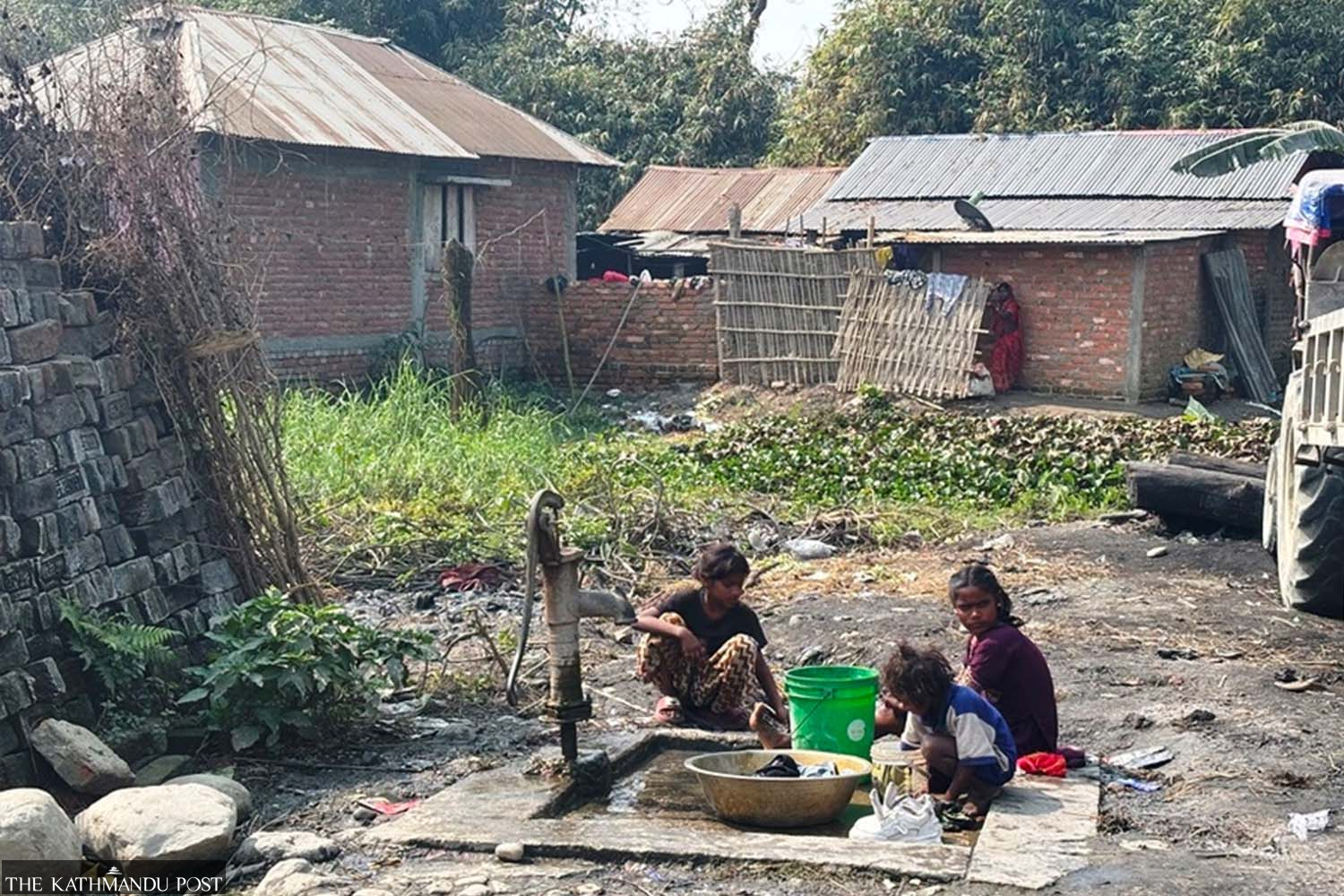
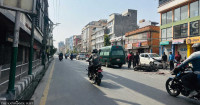
Traffic has increased, from motorcycles to cars and Indian trucks transporting goods to nearby factories. The road links to the East Highway and stretches up to Gachhiya in Sundar Haraicha Municipality. Despite the blacktopping, Karaiya has no drainage system. The community relies on a single tubewell for drinking water.
“We would have preferred proper drainage and a water tap over a temple and the road,” said Hemanti Devi Rishidev, referring to a political party-built temple dedicated to the Musahar deity, Dina–Bhadri.
Land and citizenship challenges
Most residents lack land ownership. Their ancestors cleared the forest and settled here, but local landowners, including Mohan Koirala of Biratnagar, assert ownership. “Owners threaten us to vacate immediately,” said Patri Rishidev. The community resists relocation, urging the government not to force them out.
Partbat Portel/TKP
Citizenship is another barrier. Some families reportedly paid bribes to obtain it, while others remain unrecognised despite generations of residence. “Our ancestors were born and died here, yet we aren’t recognised as Nepali,” said 60-year-old Bishunya Rishidev.
The situation is similar in Gokuwa, ward 4, where 16 Musahar households live on government land but lack land ownership certificates. Permanent houses built by the municipality for poor families excluded them due to land issues. “If we had land, we too would have received proper homes,” said 58-year-old Rita Rishidev. Ward member Chanudevi Rishidev confirmed that Musahar families were deprived of two-room concrete houses intended for the marginalised.
Early education lost
Musahar families are also losing access to early education. Two community-based early learning centres in Khajara, ward 1, which once served about 50 children aged three to five, were closed last year.
“The closure has deprived children of early learning,” said Bimala Rishidev, head of the Manokamana Centre. The settlement has around 30 households, with most parents illiterate. The centres were set up in 2009 and upgraded in 2017 by Maiti Nepal with a corrugated sheet-roofed building, chairs, fans, and cupboards to ease learning.
Budhiganga Rural Municipality Chair Jitnarayan Thapa Magar said the centres were closed as most children had started attending school, citing an education branch report.




 14.81°C Kathmandu