A Nepali man joined Russian army. He cleared his debt but did not return from Ukraine frontline alive
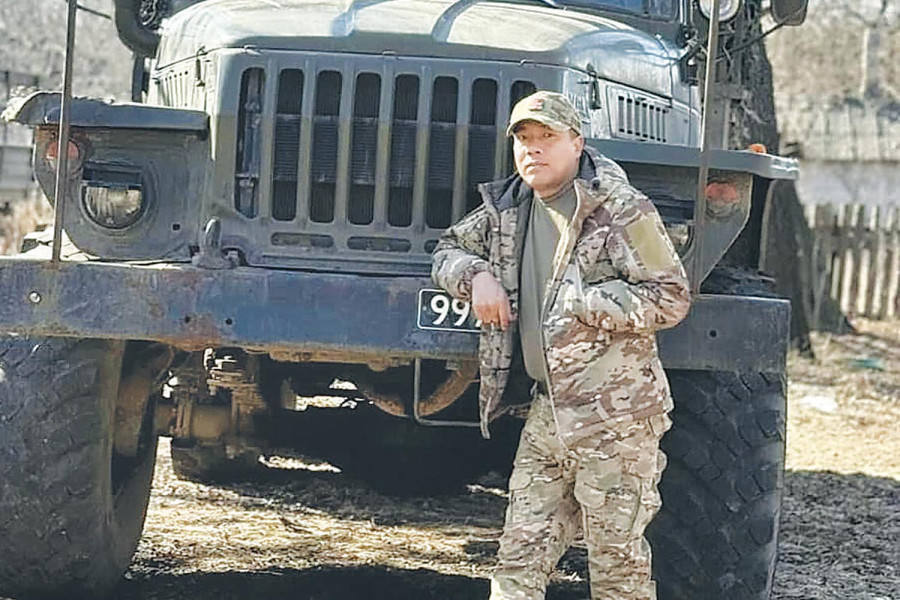
His death renews questions over the growing number of Nepalis lured to fight against Ukraine for money. Man Bahadur Tamang pictured in Russian combat fatigues. Photo provided to the Post
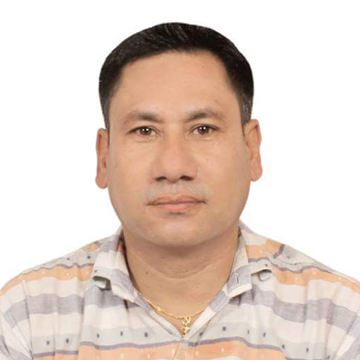
When Man Bahadur Tamang left his village in Gujara Municipality of Rautahat district for Russia late in 2023, he hoped overseas earnings would lift his family out of mounting debt.
Forty-five-year-old Tamang, a resident of Brahmatol in Gujara-2, had been running a poultry farm in his village before the Covid-19 pandemic.
The business, which started with loans amounting to nearly Rs1.5 million, failed to generate expected returns. Burdened by debt that later rose to around Rs2.5 million, he decided to seek work abroad.
According to Tamang's family, he travelled to Russia in November, hoping to earn enough to pay loans and secure a better future for his wife Shantu and their five-year-old daughter.
After reaching Russia, Tamang joined the Russian army and was eventually deployed to the frontlines of the war against Ukraine. According to the family members, he initially reassured them that conditions were manageable and that fighting had reduced in intensity compared to earlier phases. He regularly sent money home and, within two years, managed to clear most of his debt.
In recent months, however, communication had become irregular. Tamang told his wife that he was arranging documents for her to join him in Russia and stopped sending money home, saying expenses related to the process were increasing. Shantu said she had begun preparing mentally to move abroad when contact suddenly ceased about a week before news of his death arrived.
“I stopped receiving calls or messages and became anxious,” she said, breaking down while recounting the moment she learned about her husband’s death last week. Unable to reach him, she contacted a fellow Nepali soldier—Bibash Pangeni of Palpa, who had previously served with Tamang. He informed her that Tamang had been hit in a drone strike.
According to Pangeni, Tamang was killed on the evening of February 10 while stationed in a frontline post between Soledar and Siversk in Russia-occupied Ukraine. Information about the attack first surfaced in a battalion group chat, where soldiers were told that Tamang had been injured and needed evacuation.
“At first, I could not believe it. Later, we learned that he had already died. Only after receiving photographs from the recovery team was the news confirmed," said Pangeni.
Shantu learned of her husband’s death two days later, on February 12, after fellow soldiers verified the information to avoid causing panic in the family. The news has plunged the village into mourning, with neighbours describing Tamang as a hardworking and soft-spoken man who had struggled for years to sustain his business before leaving for foreign employment.
Shantu said that her husband came from a family of four brothers, all of them leading their families separately. Tamang had sold the nine katthas of land that fell under his share of the parental property and invested the money in a business venture. However, when the enterprise failed to generate returns, he decided to seek employment abroad in the hope of improving the family’s financial situation.
Tamang's elder brother, Babu, said the family would not perform the final funeral rites until the body is brought back to Nepal.
“The government must take an initiative to bring back his body as soon as possible. We will only perform the funeral rites after he comes home," he said.
The tragedy reflects a broader pattern that has emerged since the escalation of the Russia-Ukraine war. Dozens of Nepali men, many facing unemployment or debt, travelled to Russia on visit visas or through informal networks before being recruited into the military. Many have since been killed or injured, prompting calls for stronger government intervention and regulation of overseas recruitment channels.
Families and rights advocates have repeatedly urged the Nepal government to engage diplomatically with Russia to ensure the safety, repatriation and compensation of Nepali nationals involved in the conflict. The government has previously acknowledged the presence of Nepali citizens in the Russian army and announced efforts to verify casualties and facilitate returns, though families say progress has been slow.
Shantu travelled to Kathmandu following the incident, hoping to contact individuals who had allegedly assisted her husband’s travel arrangements. She said she had deposited Rs340,000 into a bank account in the name of Dinesh Bhattarai before his departure, but has since been unable to trace the agent involved. The uncertainty has added to the family’s distress as they struggle to navigate official procedures.
The places where Tamang and Pangeni were deployed are about 25 kilometres apart. Shortly after arriving in Russia, Tamang enlisted in the army in Moscow in November. It was during military training in Moscow that the two first met.
According to Pangeni, they were part of a group of 25 recruits who, after completing training, were deployed to the war zone. He said that more than ten Nepali nationals from their group later fled after being sent to the conflict zone. Even after Tamang’s death, five Nepalis are still stationed in the same area, he added.
Basic facilities were lacking on the frontline, Pangeni said, describing the harsh conditions for the recruits. “There is no electricity or water here. We have to rely on generators to get through both day and night,” he said.
The official instruction that soldiers may not be allowed to leave until the conflict ends diminishes the chances of those still fighting coming back alive.




 14.7°C Kathmandu