Bajhang voters say they don’t trust politicians anymore
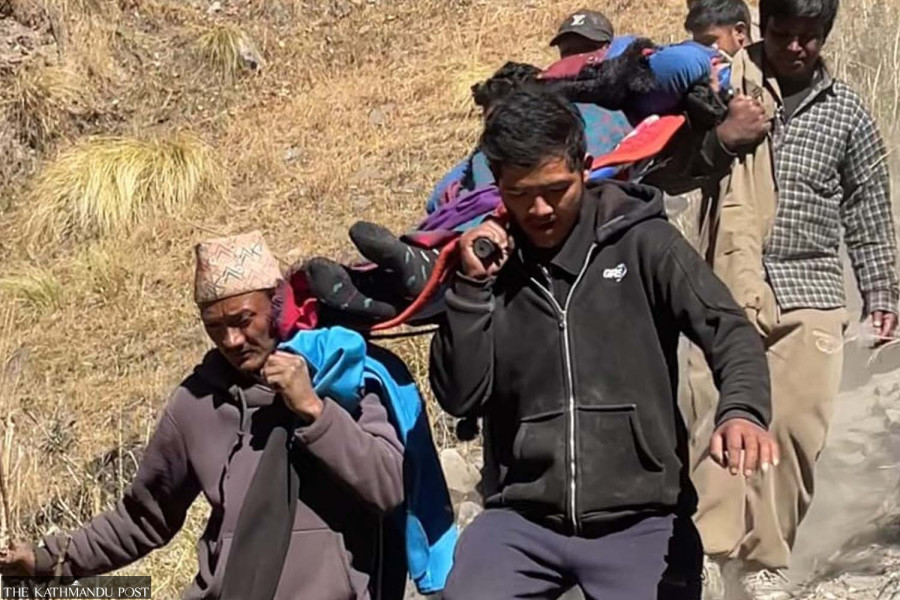
Irrigation, roads, and jobs remain top concerns in the farwestern district for decades as promises made by candidates remain unkept. People carrying a sick person to health post in Saipal in Bajhang in this recent photo. Basanta Pratap Singh/TKP
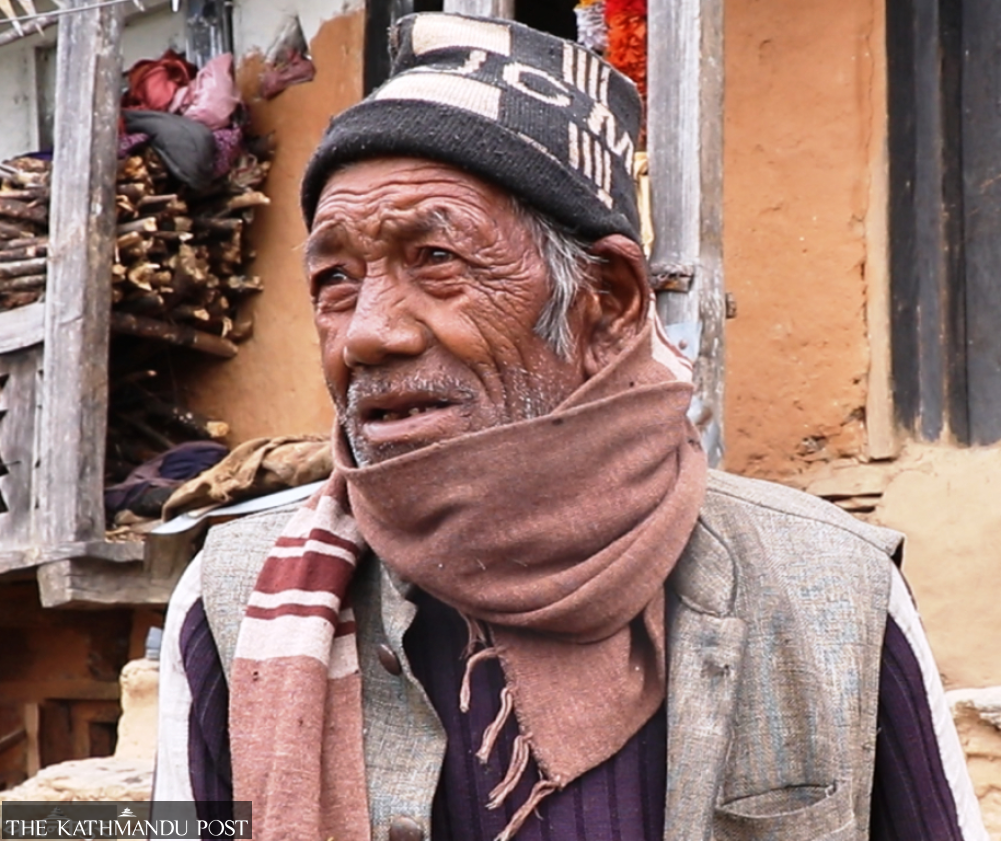
“Once we get elected, there will be no more divisions of caste or class. We will make everyone equal. Your suffering will not last much longer.” These words, spoken by a leader who had come canvassing votes during the 1991 general elections are still etched in the memory of Gadelo Sarki, a Dalit farmer of Gairigaun in ward 3 of Masta Rural Municipality, Bajhang.
Sarki, now 84, says he has never forgotten that moment. Recalling another striking detail from the encounter, he adds with a faint smile, “The leader greeted me respectfully, calling me ‘uncle’. Before that, no one from the so-called upper castes had ever greeted me first.”
Habituated to bowing in respect even to children from ‘higher caste families’, Sarki says he initially felt uncomfortable when the leader greeted him first. The promises that followed— land for the landless, an end to caste-based discrimination, employment for every household and an assurance that the suffering of ordinary people like him would finally end—left a deep impression. “Listening to him, it felt as if a god had come to bring us happiness and work for our welfare. I was very happy then,” he recalled.
Trusting those assurances, Sarki says the entire village voted for the same candidate. But the hope he once felt has, over the years, turned into frustration and disillusionment. Having heard similar pledges in every election since, he says he no longer believes what politicians say. “My eldest daughter had just been married then. Now she has grandchildren of her own, and I have seen great-grandchildren,” he said. “I have voted for different parties over the years, but no matter who wins, our situation remains the same. Every election they come with the same promises. Now, when I see politicians, I feel only anger.”
Sarki’s experience mirrors a wider sentiment across Bajhang, a remote hill district of Sudurpaschim province, where many voters say political rhetoric has remained unchanged despite shifting governments and political systems. From the partyless Panchayat era (1961-1990) to the federal republic, locals argue that basic problems such as drinking water shortages, unemployment and poor infrastructure continue to define everyday life.
Older residents say elections have become cyclical exercises in promise-making, with little accountability once votes are secured. “I have grown old listening to promises that drinking water will finally reach our village,” said 60-year-old Mahal Bahadur Singh of ward 1 of Jayaprithvi Municipality. He recalled that during the 2022 elections, candidates again sought votes by promising household taps for every family.
“Leaders come to villages carrying bundles of promises during elections, but once the polls are over, they forget everything they said. We have started to feel embarrassed listening to their false claims. They do not hesitate to seek votes for years with the same promises and the same faces,” said Singh.
According to the locals, the persistence of such unmet commitments has deepened political fatigue, particularly in remote settlements where development gains remain limited. Irrigation facilities, reliable roads and employment opportunities—issues raised repeatedly during previous elections—continue to dominate local concerns. Many voters say the repetition of identical campaign narratives has weakened trust in political leaders and reduced enthusiasm around elections.
Gadelo Sarki of Masto-3 complains the leaders hardly keep their promises. Basanta Pratap Singh/TKP
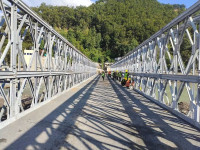
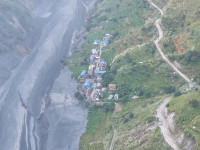
The sense of neglect is particularly strong in Saipal Rural Municipality, one of the district’s most remote regions. Locals complain candidates rarely reach the area, and when they do they just give assurances that are never fulfilled. “When they come, they say health services, roads and bridges will be built quickly. They even promise to make Saipal prosperous through tourism. But once they leave, everything is forgotten,” said Kamman Bohara, a 67-year-old involved in local politics.
For many residents, the consequences are immediate and tangible. Bohara said patients still have to be carried for three or four days to reach the district headquarters for treatment, a hardship that has remained unchanged across generations. Access to essentials such as salt and rice remains irregular in some villages, reinforcing the perception that political attention surfaces only during election campaigns. Locals argue that development discussions often fail to translate into implementation.
Analysts and political observers note that dissatisfaction in remote districts like Bajhang reflects a broader pattern: geographical isolation, weak state presence and inconsistent project execution have slowed development in far-western hill districts. Repeated announcements without follow-through have contributed to growing distrust, particularly among marginalised communities, who say they remain excluded from the benefits of federal restructuring.
Even leaders within political parties acknowledge the problem. Gajendra Sarki, a central committee member of the Nepali Communist Party [an amalgam of several leftist parties including the former CPN (Maoist Centre)] said the tendency to make unrealistic commitments during campaigns has damaged public confidence. “I have travelled to villages with leaders since the 1991 elections. The basic problems then and now are not very different,” he said, adding that exaggeration and false assurances during elections have distanced voters from politics itself.




 25.89°C Kathmandu