Experts on the second day of the Kantipur Conclave 2026 warned that public discourse in the digital age is increasingly chaotic. They said the rapid spread of information, much of it unverified, makes it difficult to separate truth from rumours, creating a challenging environment for meaningful dialogue.
Speakers urged journalists, politicians, and tech platforms to prioritise ethics, accountability, and critical engagement over chasing clicks, sensationalism, and unchecked algorithms. They emphasised that responsible practices are essential to ensure that digital spaces serve the public interest rather than exacerbate misinformation and social division.
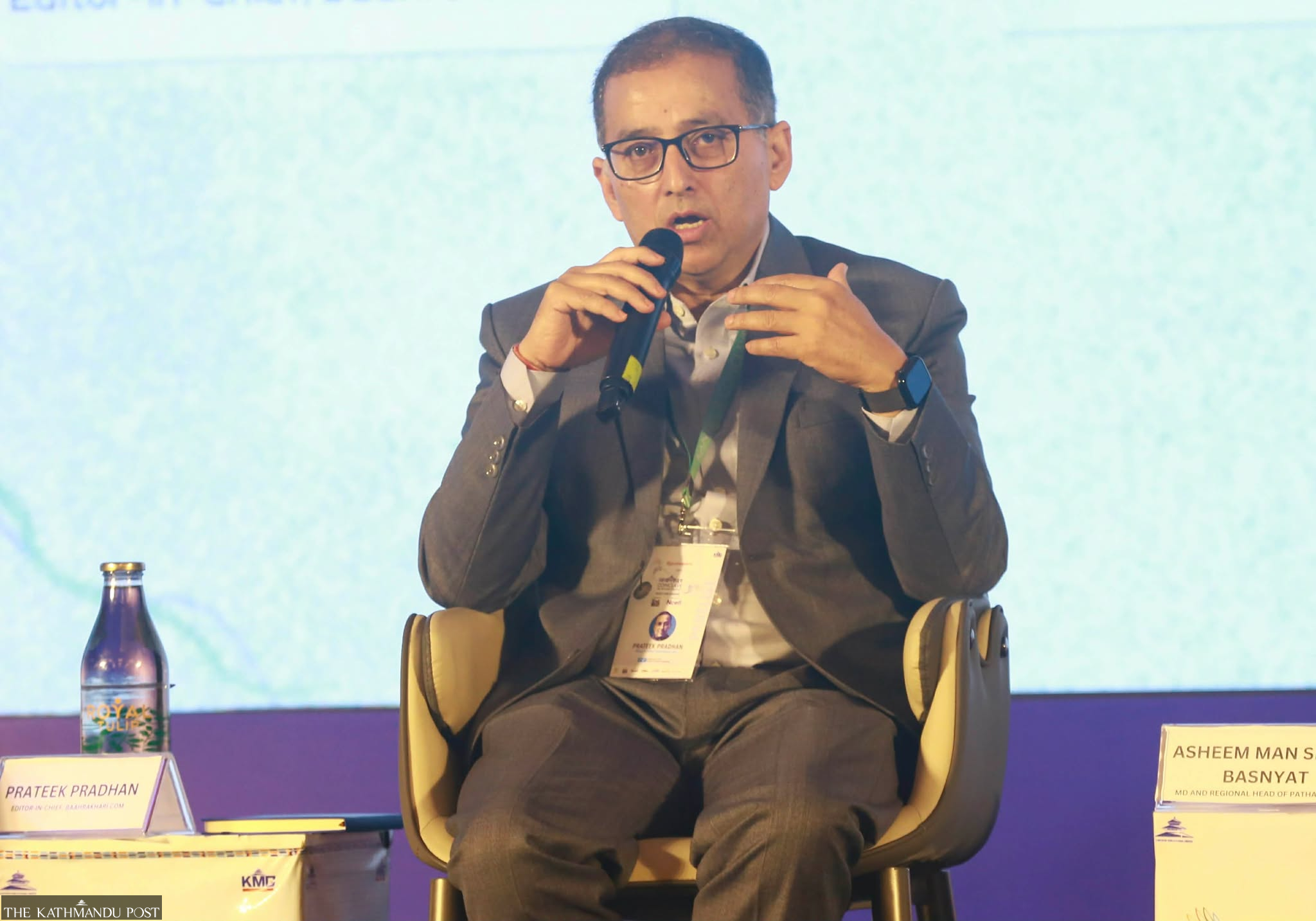
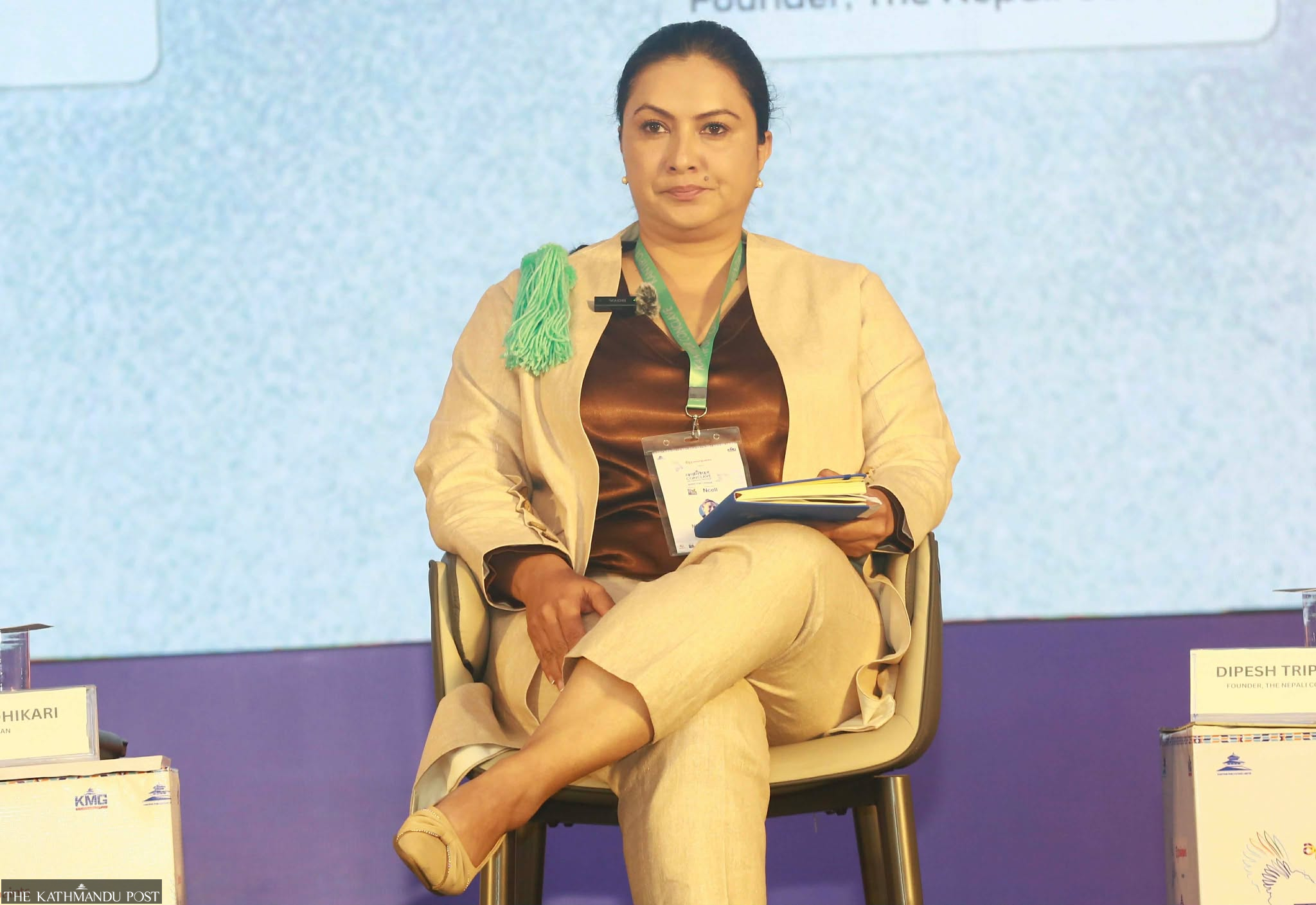
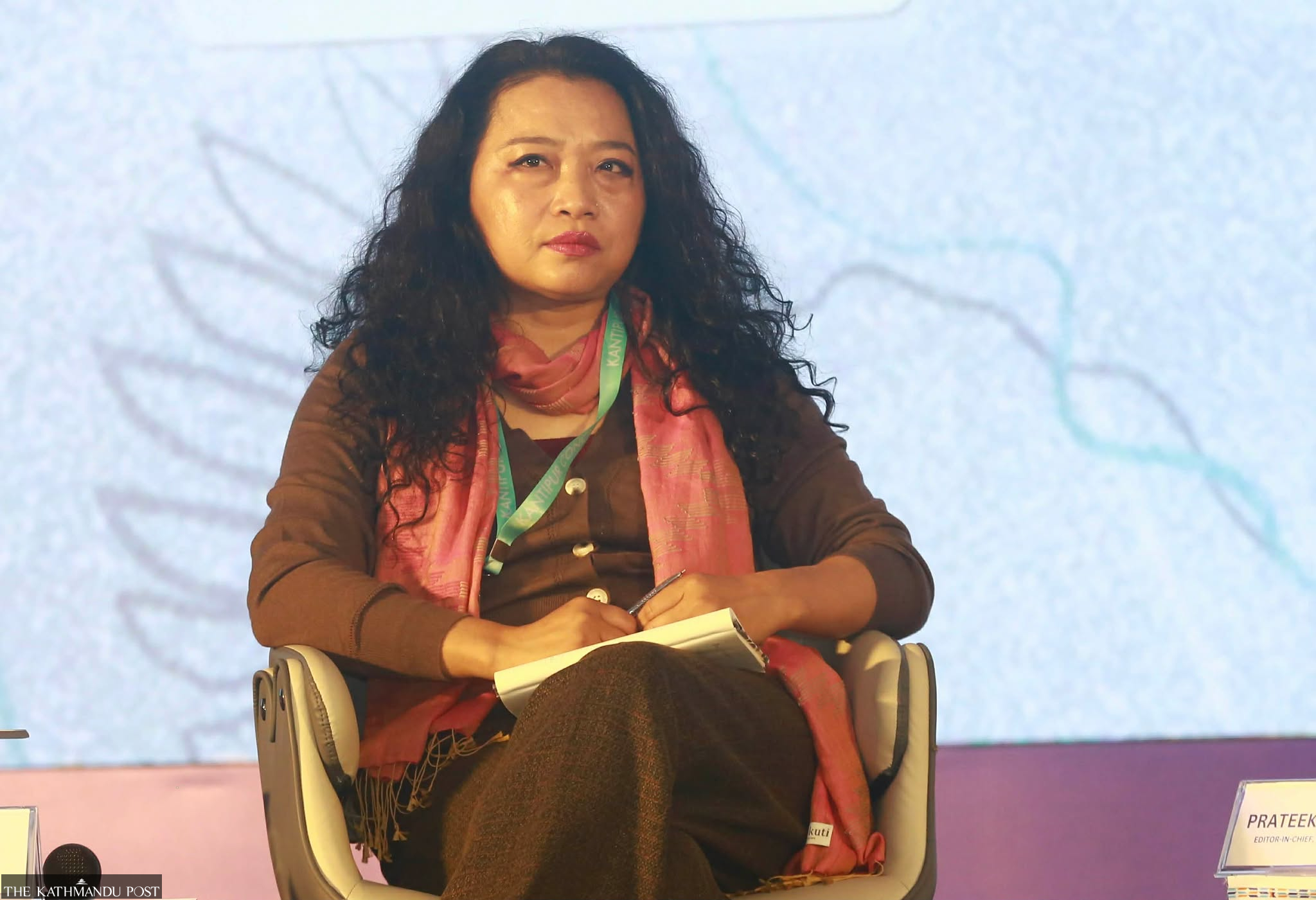
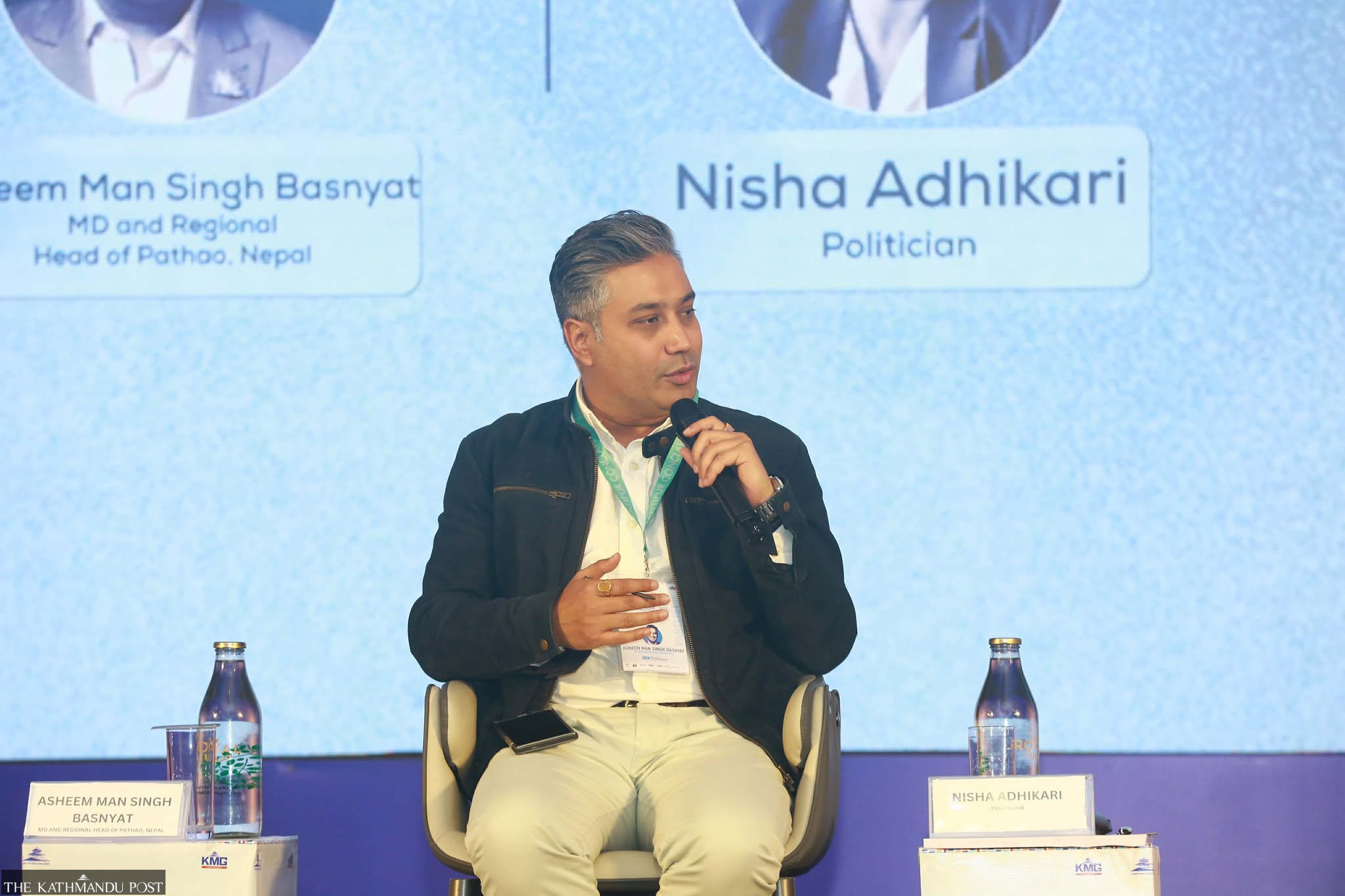
Dipesh Tripathi, founder of the YouTube channel The Nepali Comment, said distinguishing truth from misinformation in digital spaces has become difficult. “Here there is too much rumour,” he said while moderating the session titled “Public Discourse in the Age of Algorithms,” which included AI expert Dovan Rai, Bahaarkhari.com Editor-in-Chief Prateek Pradhan, Pathao Nepal Managing DirectorAsimman Singh Basnyat and political leader Nisha Adhikari.
Pradhan said journalism is no longer about content creation in the service of society. “Journalism is failing by chasing crowds instead of amplifying the public’s voice,” he said. He noted that traditional journalism, which led ideas and guided societal understanding, has shifted towards clickbait and follower-driven content.
“Algorithms have changed media across print, radio, television, and online platforms. Journalism should give voice to people and uphold freedom of expression, but institutions focused solely on content creation are failing,” he added.
Pradhan warned about the growing impact of deepfakes. “These days, social media influences people more than traditional media. Everyone focuses on the number of likes, comments, and shares, but even those can be manipulated,” he said. “For example, if a post gets 500,000 likes in just five minutes, it’s clearly fake. People need to recognise this.” He also emphasised the importance of staying alert to fake likes, comments, and shares.
Pradhan further said that journalism carries great responsibility and must provide the stories society needs, while being clear about what content to deliver and what to avoid.
“Journalism should be the institution that leads ideas,” he said. He noted that in the past, news reached the public and media moved forward based on audience feedback, but today it is trapped by algorithms.
“If everything seen online is turned into news, the profession and business of journalism will collapse. Media must decide what content to give citizens and set boundaries. It must be clear what media is. Press freedom is essential. Journalism drives social change,” he said, warning that indiscriminate coverage is weakening the profession.
Adhikari, from the Gatisheel Loktantrik Party, said politicians can reach voters effectively without stunts or flashy campaigns. “I am practising a campaign that communicates directly with the public without misleading tactics or over-the-top presentation,” she said. She also highlighted the need for social media policies to guide candidates on what they can and cannot post.
Political leader Nisha Adhikari Dipen Shrestha/TKP
Adhikari said the use of technology has become a challenge to national security, making it necessary to establish a separate ministry focused solely on information and technology. “These ministries should have more technical experts than politicians,” she said. “National security also requires technical expertise. Technology poses a security challenge and is closely linked to geopolitics.”
Rai said algorithms today are not what they were yesterday, and tomorrow’s will differ again. “We cannot assume current algorithms are fixed or ideal,” she said. She warned that digital space has become chaotic due to institutional failures and that social behaviour is being shaped more by fear than trust.
Rai added that big tech companies may become even more aggressive over the next five to six years, and the problem is not technological alone but also societal, psychological, and economic.
AI scientist Dovan Rai Dipen Shrestha/TKP
“Algorithms maximise engagement, often promoting anger or harmful content knowingly. Technology should increase access, but companies prioritise profit over responsible design,” she said.
Rai argued that institutional failures cannot simply be blamed on algorithms. “Sometimes people say an algorithm just reflects what it does, while other times it is made the scapegoat for everything. The real issue is institutional failure,” she said. “Because of these failures, people lose trust in institutions or individuals, which in turn fuels disorder.”
Basnyat cautioned that the current race for views and emotional responses on social media can create long-term problems. “If we focus only on views or sentiments today, it may create issues tomorrow. You can design content for engagement, but if the discussion or views are not grounded, it becomes impractical later,” he said.
Pathao Nepal Managing Director Asimman Singh Basnyat




 16.12°C Kathmandu