Veteran election policeman plans to retire after serving 10 polls
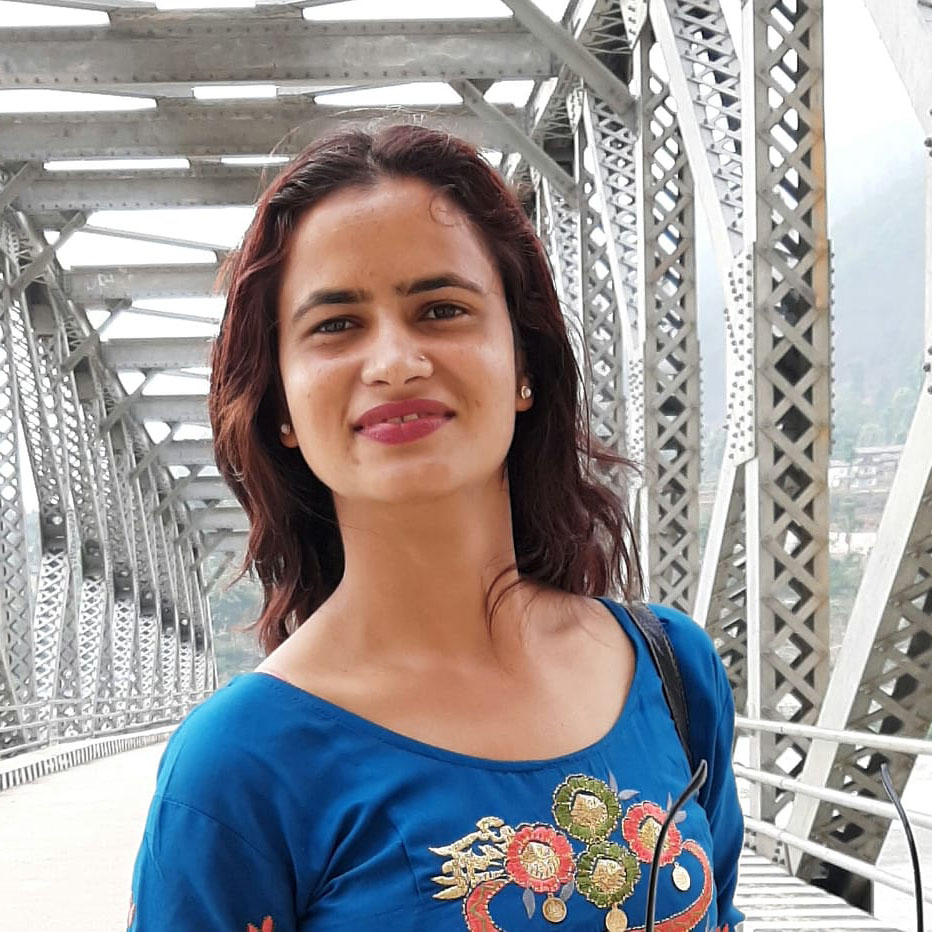
Tanka Prasad Dhungana, 54, has been on duty at elections ever since the 1991 elections, and he’s back for March 5 polls. Tanka Prasad Dhungana, pictured outside the District Police Office, Achham, this week. Menuka Dhungana/TKP
When Tanka Prasad Dhungana, a resident of ward 5 of Mangalsen Municipality in Achham, first donned the temporary police uniform in 1991, he was just 18. His parents applied tika on his forehead and fed him yoghurt—a ritual of blessing—before he left for duty.
He has been recruited as election police officer for the upcoming March 5 polls almost after 34 years.
As he prepares for what he says will be his final election duty, three grandchildren have sent him off with a lighter request: “bring us sweets when you come back, Grandpa”.
Dhungana is known locally as a “myadi baje”—the veteran temporary policeman. He has served as a member of the temporary election police, now called election police, ten times since the 1991 general elections, witnessing the country’s turbulent political journey from the first multiparty election after the restoration of democracy to the current federal republic.
“Back then, we were called myadi (temporary election police). Now they say election police,” said Tanka during a training break at the district police office. “That change in words reflects everything I have seen from the multiparty democracy era to today’s Gen Z politics,” he said.
Dhungana is serving again for poll security because the rules allow temporary recruitment until the age of 54. “This will be my last stint. I have taken risks many times to protect ballot boxes. How much the country remembers people like us—that only time will tell,” he said.
Dhungana has a wife, two sons and two daughters. One son has completed his studies and stays at home, while the younger is studying engineering. His daughters have three children. “My children ask me not to go anymore during elections. Even my grandchildren say I don’t need to serve as myadi police anymore,” he said.
After the restoration of the multiparty democracy following the 1990 People’s Movement, the interim government led by Krishna Prasad Bhattarai had conducted general elections on May 12, 1991. Tanka had been first appointed during that election. “My duty was to guard polling stations and ballot boxes. Many people were voting for the first time. There was excitement, fear and curiosity—what would happen next?” he recalled.
The then prime minister Girija Prasad Koirala had dissolved the House of Representatives and held mid-term elections in 1994. Tanka, serving for the second time, felt different this time. “That was when I first saw real tension. Political instability and allegations of ballot-rigging created a hostile atmosphere. My family pressured me not to join the election police, saying it was unsafe, but I didn’t stop,” Tanka said. “Slogans were louder, hostile rivalries among party activists, tempers shorter and protecting polling centres became increasingly difficult.”
In 1997, during local elections, he served for the third time. “This time, the candidates were people from our own villages. Some asked me not to become myadi police and instead join their campaign,” he said. According to him, it was when the development agendas—roads, irrigation canals and drinking water—began to dominate conversations during election campaigns.
The 2008 Constituent Assembly election was, for Dhungana, the most historic—and the most frightening. He joined again after a decade-long hiatus. “People were voting to write a new constitution through their representatives. There was excitement, but also fear because the country had just come out of an armed conflict,” he remembered the polls held after the decade-long Maoist insurgency formally ended with the signing of the Comprehensive Peace Accord.
Dhungana’s family tried hard to stop him from joining the election police, especially after Maoist rebels had destroyed the Achham Palace near his home during the war, killing hundreds in the district. “They told me the election was dangerous, that I was still young and could earn a living elsewhere,” he recalled. “But I felt that in difficult times, someone had to protect the democratic process.”
He served again in the second Constituent Assembly election in 2013, which paved the way for the 2015 constitution. “Standing at the polling station, I felt I was witnessing history being written,” he said. He was also deployed during the 2017 local elections and federal elections. He followed the suit in the 2022 local, provincial and federal polls.
This time, he is assigned to provide security for the March 5 elections. “The name has changed to election police now. But the political instability I’ve seen since the 1990s feels much the same. Very little has changed,” he lamented.
As Dhungana undergoes training for the final time, he smiles when younger recruits call him “baje.” “In my myadi life, I’ve made friends the age of my sons and grandsons. After this election, I will retire. But I will carry these memories for the rest of my life,” he said.




 28.33°C Kathmandu