



 17.57°C Kathmandu
Fri, Oct 16, 2026
National
With past winners out, Rupandehi–1 voters weigh new political choices
In the last general election in 2022, UML leader Chhabilal Bishwakarma won the seat with 24,882 votes, defeating independent candidate Ghanashyam Bhusal, who secured 21,318 votes.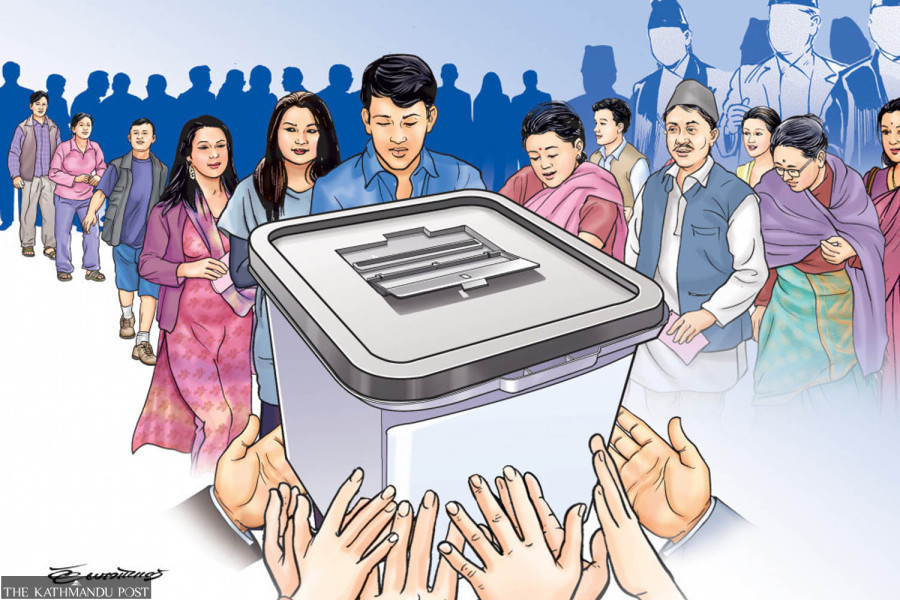
bookmark
Ghanashyam Gautam
Published at : January 31, 2026
Updated at : January 31, 2026 19:51
Butwal
Electioneering has begun across Rupandehi district for the House of Representatives election scheduled for March 5, though the atmosphere remains markedly subdued compared to previous polls.
Across the district’s five constituencies, both established and newly formed parties have fielded candidates, with veterans attempting to retain their base while newcomers seek to introduce themselves with promises of change.
Rupandehi–1, in particular, has emerged as a constituency with a distinct dynamic. None of the previous winners are in the fray this time, and campaigning so far has been calm and restrained, with no aggressive rallies or showy publicity. Most candidates have prioritised door-to-door outreach and social media engagement.
The seat has a long electoral history, having alternated between the Nepali Congress and the CPN-UML over the decades. However, the political landscape has shifted following the deaths, retirements or withdrawals of earlier dominant figures.
The main contenders now include Hirabahadur Khatri of Congress, Dadhiram Neupane of the UML, Sunil Lamsal of the Rastriya Swatantra Party (RSP), Ramchandra Bhattarai of the CPN (Unified), and Prajwal Bohara of the Rastriya Prajatantra Party (RPP).
Khatri, a former mayor of Devdaha Municipality, and Neupane, a former provincial assembly member, are both well known locally and are banking on their past public service records. The RSP has fielded engineer Sunil Lamsal, the party’s general secretary and a former adviser at the Kathmandu Metropolitan City mayor’s office, aiming to capitalise on its support base from the 2022 election and the appeal of political reform.
In the last general election in 2022, UML leader Chhabilal Bishwakarma won the seat with 24,882 votes, defeating independent candidate Ghanashyam Bhusal, who secured 21,318 votes. Bhusal is not contesting this time. Proportional representation votes in the constituency then showed a fragmented electorate, with significant shares going to the Congress, UML, RPP and RSP.
The constituency has 146,824 registered voters, including 73,854 men, with 31 candidates—20 of them independents—competing. There are 45 polling stations and 159 polling centres. Alongside major parties, smaller outfits such as Ujyalo Nepal Party, Aam Janata Party and Nepal Workers and Peasants Party have also fielded candidates.
Local residents say voters are largely silent and observant. “No candidate has resorted to flashy or aggressive campaigning so far,” said social activist Hari Bahadur Kunwar, noting that the absence of loud rallies has kept the election environment peaceful. Devdaha ward member Laxmi Devi BK said voters were carefully weighing the promises of new faces while holding older parties accountable for past commitments.
Rupandehi–1 comprises Devdaha Municipality, Rohini Rural Municipality, wards 7, 8, 9, 10, 11, 12, 15, 16 and 17 of Tilottama Municipality, and wards 1, 3, 4, 5 and 6 of Omsatiya Rural Municipality.
As polling day approaches, the contest remains open, with the UML, Congress and RSP emerging as the principal rivals in an election marked more by quiet calculation than overt excitement.
Ghanashyam Gautam
Ghanashyam Gautam is the Butwal correspondent for Kantipur Media Group.

Most Read from National

Flood sweeps away houses, bridges in Gorkha
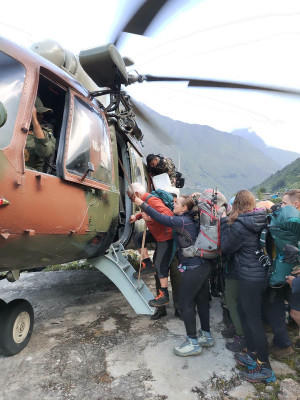
Torrent of black mud and rocks engulfs settlements along Budhigandaki

From blankets to handmade dolls, two foreign women bring comfort to flood survivors
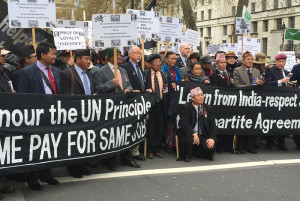
British Gurkha veterans issue ultimatum to Nepal government over long-standing grievances
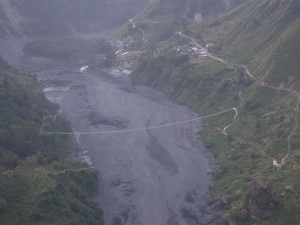
Budhi Gandaki flood washes away three bridges in Gorkha
Editor's Picks

Constitutional Bench caught in seniority, ‘pick and choose’ dispute

A Dom boy’s long road to becoming a doctor
From blankets to handmade dolls, two foreign women bring comfort to flood survivors

News Analysis: When institutional defence exposes institutional fault lines

It’s a bird … it’s a plane … it’s the Indian ambassador’s farewell tweets
E-PAPER | October 16, 2026

×