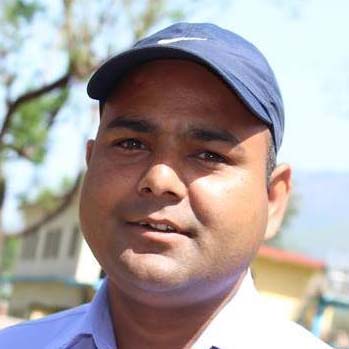
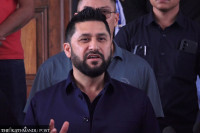
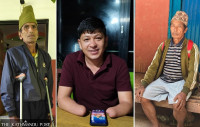
Humla has 60 polling stations and 64 polling centres, with a total of 34,502 registered voters. From left Jayapati Rokaya,Dipendra Rokaya Tashi Lhozam, Dal Phadera
A fierce electoral contest has emerged in the Himalayan district of Humla, where four first-time parliamentary candidates from major political parties are vying for victory in the House of Representatives election scheduled for March 5.
The race features Jayapati Rokaya of the Nepali Congress, Dal Phadera of the CPN-UML, Dipendra Rokaya of the Nepali Communist Party (NCP), and 26-year-old Tashi Lhazom of the Rastriya Swatantra Party (RSP). All candidates are new to federal parliamentary elections, adding to the intensity and unpredictability of the contest.
Congress has fielded former district party president Jayapati Rokaya, a long-time party organiser who began his political career with the Nepal Students’ Union in 1983. A member of the party’s Karnali provincial committee, Rokaya said his candidacy aims to amplify the voice of a historically marginalised district and promote Humla’s development.
UML candidate Phadera, a central committee member, previously served as chair of Adanchuli Rural Municipality and has held key positions in sports administration. Stressing organisational strength and development-oriented policies, he claimed only UML leadership could ensure Humla’s long-term progress. Phadera had earlier lost the provincial assembly election in Humla to a Maoist candidate.
The Nepal Communist Party (NCP) has nominated Dipendra Rokaya, a former district coordinator of Maoist Centre and ex-member of the Karnali Provincial Planning Commission. Contesting a parliamentary election for the first time, he said his focus would be on addressing Humla’s geographical, social and economic challenges through result-oriented politics.
Representing the RSP, Tashi Lhazom has drawn national attention as a young candidate with an international academic and professional background. Born in Limy of Namkha Rural Municipality, she studied political science at Delhi University and has worked with the political and economic section of the US Embassy in Nepal.
A documentary filmmaker and climate activist, she has won multiple national and international awards, including for her film No Monastery No Village. She said good governance, development and prosperity remain her party’s core agenda.
In the previous House of Representatives election, former Maoist candidate Chhiring Damdul Lama won with 14,371 votes. Local elections have shown a divided political landscape, with major parties sharing victories across Humla’s seven local units.
Bijay Lama, a civic leader, said established parties are seeking to retain their legacy, while newer forces aim to break it. “Whoever wins must raise Humla’s long-standing issues of remoteness and deprivation in Parliament,” he said.
For the upcoming election, the district has 60 polling stations and 64 polling centres, with a total of 34,502 registered voters.
Tek Kumar Regmi, chief district officer of Humla, said election preparations are under way and security personnel have been deployed across the district.




 14.81°C Kathmandu