Here are some of the top stories from The Kathmandu Post (August 28, 2019).
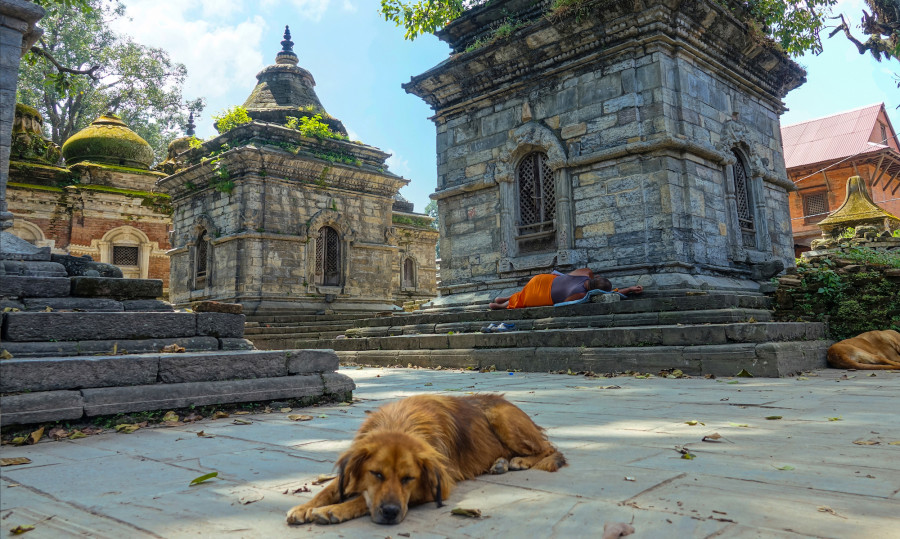
Kathmandu’s latest dilemma: What to do with owners who don’t scoop their dogs’ poop?
Canine faeces are a foul public problem worldwide, but in many cities, pet owners and city authorities have come up with regulations to deal with it. Some cities have anti-dog waste campaigns, while others simply put strict pooper-scooper laws in place to keep parks and public places clean.
However, most Nepalis are yet to recognise this lack of dog etiquette as a problem.
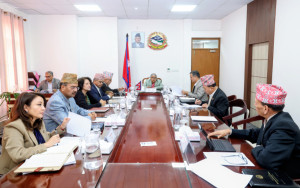
Federal government’s reluctance to devolve power is reflected in small development projects
Even four years after the promulgation of the constitution that ensured federalism—the form of governance that devolves power to sub-national governments—the unitary mindset in Kathmandu continues to rule the roost, which experts say defeats the entire purpose of the federal design.
One example among many are projects handled by the Department of Roads, an agency under the Ministry of Physical Infrastructure of the federal government.
A teenager in Okhaldhunga killed herself after she was bullied online
It was mid-June and 16-year-old Goma Karki was waiting for her SEE results. On one of those days, Goma, the youngest in the family, received a call from her older brother in Kathmandu.
“Who is it posting your photos and writing nonsense on Facebook?” he asked Goma over the phone. Goma said she was unaware about the photos or the post. The phone cut off.
“Repeated attempts to call her again went in vain, her phone was switched off,” Goma’s brother later told the Post, requesting anonymity for privacy reasons. “I learned in the evening that Goma had committed suicide.”
Over recent years, more and more young people are becoming vegans—for many reasons—and Nepali society is slowly responding to a vegan person’s dietary and overall lifestyle demands.
Veganism, by definition, refers to a solely plant-based diet and product consumption, abstaining from the consumption of products or foods containing animal products. Nepal has long been a vegetarian-friendly nation, with a fasting culture that, at times, encourage meat-eaters to become vegetarian briefly. But given most of the vegetarians here follow a lacto-ovo-vegetarian diet, where one’s meal includes dairy products and eggs, complete abstention from animal products has never been a norm.




 14.24°C Kathmandu