



 15.89°C Kathmandu

Thu, Oct 22, 2026
Money
Nepal Rastra Bank to distribute new notes ahead of Dashain
The central bank dropped its previous practice of announcing a fixed period for exchanging new banknotes for Dashain, with notes now available through its offices and commercial banks.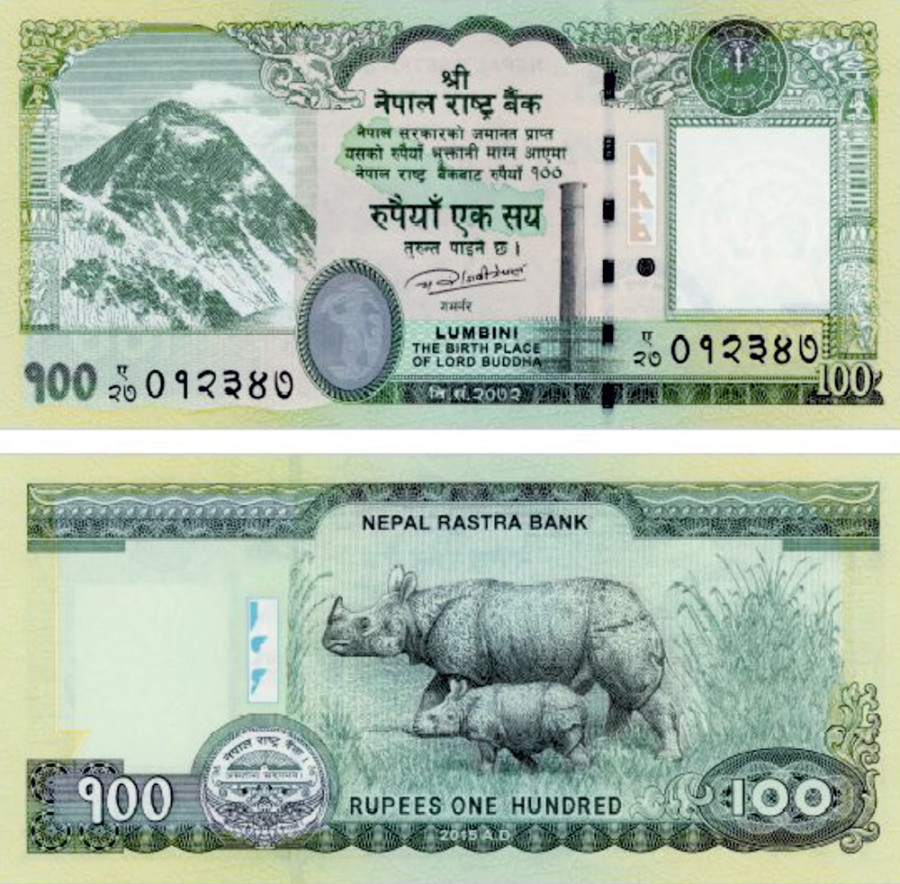
bookmark![]()
Demand rises sharply around Dashain, Tihar and Chhath, however, prompting the bank in previous years to set a specific exchange period close to Dashain and turn the distribution into an annual festive exercise. File Photo
Yagya Banjade
Published at : September 30, 2026
Updated at : September 30, 2026 21:36
Kathmandu
Nepal Rastra Bank has done away with its practice of announcing a fixed period for exchanging new banknotes ahead of Dashain, making the notes available through its offices and branches of banks and financial institutions instead.
The central bank said the facility is already available. Unlike the previous two years, when it provided only clean, previously circulated notes instead of freshly printed ones, it is distributing new banknotes this year.
People can exchange notes on all days except public holidays, according to the central bank.
In Kathmandu Valley, new currency notes are being distributed from Nepal Rastra Bank’s central office in Thapathali. The bank has also supplied new notes to banks and financial institutions so that they can offer the exchange service through their branches, said Anuj Dahal, head of the Currency Management Department at the central bank.
People can therefore visit a branch convenient to them to exchange new notes, Dahal said. Banks and financial institutions have already collected additional new notes from the central bank for distribution to their customers.
“This year, we do not plan to issue a public notice announcing a special period for exchanging new banknotes,” Dahal said. “Anyone who comes to exchange notes is being given one or two sets of new notes.”
However, those seeking larger quantities will not necessarily receive all the notes in new condition, Dahal said. “For such requests, we provide clean notes,” he added.
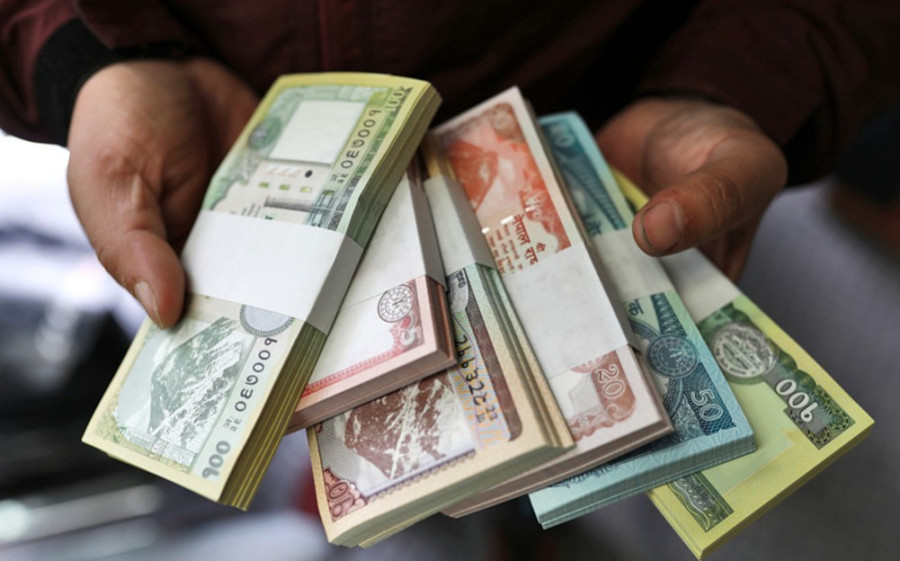
In previous years, the central bank provided each person with one bundle each of Rs5, Rs10, Rs20, Rs50 and Rs100 notes, equivalent to Rs18,500 in total. This year, people can exchange more than one bundle. Dahal said the central bank has sufficient stocks of new notes and is currently providing one or two sets to those who request them.
The central bank regularly provides new or clean notes throughout the year. Demand rises sharply around Dashain, Tihar and Chhath, however, prompting the bank in previous years to set a specific exchange period close to Dashain and turn the distribution into an annual festive exercise.
This year, the central bank has opted for a regular exchange facility without the special arrangements and publicity of previous years.
“People have been exchanging new notes regularly for the past few days. There is no major crowd as in previous years; the situation is normal,” Dahal said. “Demand from consumers has also been lower, which is why the central bank has not organised new-note distribution as a special event.”
On average, Rs60 billion to Rs70 billion worth of new banknotes leave the central bank’s vaults every year during Dashain and Tihar. In the past two financial years, however, only clean notes were made available for exchange.
Of the money released during the Dashain-Tihar period, around Rs12 billion to Rs15 billion goes directly to the public, while the remainder is used by banks and financial institutions for banking purposes.
The central bank did not distribute new banknotes during the year of the Covid-19 pandemic.
Individuals generally seek smaller denominations, particularly notes of Rs100 and below. Banks and financial institutions, meanwhile, make greater use of higher denominations, particularly Rs500 and Rs1,000 notes, according to the central bank. The figures do not include coins.
Demand for coins also rises during Dashain and Tihar. Alongside ordinary coins, the central bank sells silver commemorative coins and gold coins known as asarfis during the festive season.
Demand for new notes for Dashain and Tihar has been increasing. Last year, however, the central bank did not distribute asarfis, citing a shortage of gold of the required quality.
The release of large amounts of cash from the central bank during Dashain and Tihar increases the supply of money circulating in the market. More cash in people’s hands can encourage spending, raising demand for goods and services. Increased demand can, in turn, put upward pressure on prices and contribute to inflation.
Economists have therefore cautioned against excessive growth in the money supply, arguing that a rapid rise in prices reduces the purchasing power of money. The distribution of new banknotes has consequently become a challenge for the central bank.
The growing use of digital banking has also reduced cash transactions in recent years. Experts say the decline in demand for new notes this year is partly attributable to the expansion of digital payments, alongside the economic effects of natural disasters in the country.
Nepal Rastra Bank spends around Rs3 billion annually on printing, distributing and managing banknotes. The cost rises as demand for notes increases, adding to the state’s financial burden. Investment in this area is generally regarded as relatively unproductive because banknotes do not directly generate economic output.
The central bank does not assign a fixed lifespan to banknotes, as banknotes can remain in circulation for many years if handled carefully. New notes distributed this year will eventually return to the central bank as worn currency, requiring the bank to spend substantial resources replacing notes and meeting public demand.
Yagya Banjade
Banjade covers government finance, banking, capital markets, and the economy for Kantipur Daily.

Most Read from Money

Nepal travel agents threaten to stop selling Thailand trips over visa rules

Why does an hour long flight to Dhangadhi cost more than a flight to New Delhi?
Malaysia rejects Nepal’s demand to open recruitment to all manpower agencies

No school, but a graduation cap for women dairy farmers
Nepal arrests four medical service providers as Malaysia recruitment row deepens
Editor's Picks




E-PAPER | October 22, 2026

×