West Asia tensions hit Nepal’s tourism hard as bookings tumble
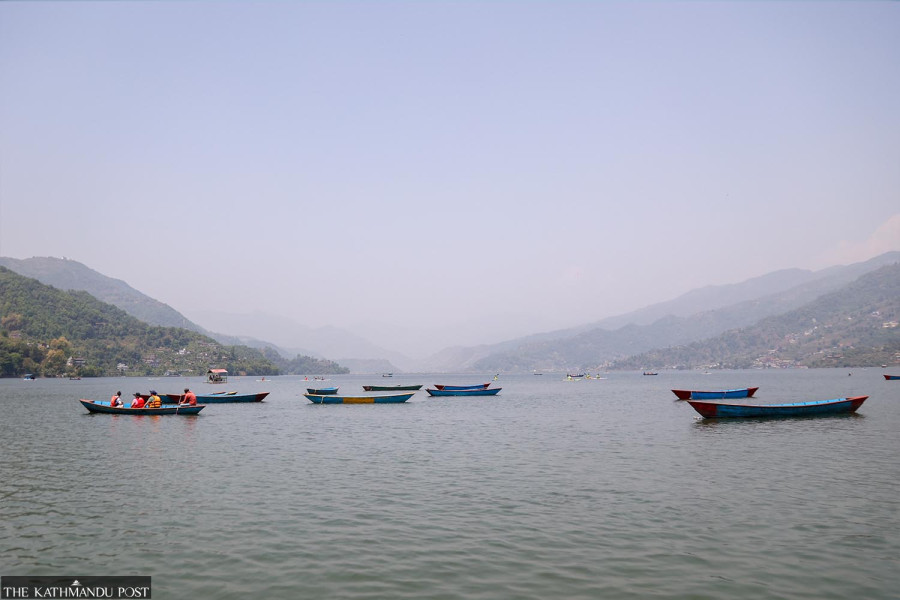
Hotels across Pokhara, Chitwan and Lumbini report sharp cancellations from Western travellers, with Indian and domestic tourists now keeping the sector afloat amid rising uncertainty. Pokhara hotels report a drop in occupancy even during the peak spring season. Suryams Upreti/TKP
Escalating tensions in West Asia are taking a visible toll on Nepal’s tourism industry, with international travellers cancelling bookings in large numbers across major destinations.
Hotels and tourism operators in Pokhara, Chitwan and Lumbini report a sharp rise in cancellations, particularly among visitors from Europe and the US. Industry observrs say travel disruptions through Gulf transit hubs, higher airfares and safety concerns have made trips to Nepal less certain.
In Pokhara, the country’s main tourist city, occupancy has dropped significantly during the peak spring season. Pokhara Grande, the city’s only five-star hotel, said occupancy has fallen to around 50 percent this year, down from about 80 percent in previous spring seasons.
Between 30 and 40 percent of bookings from Europe and the US have been cancelled, while others have been put on hold. New bookings from these markets have nearly stopped. Indian tourists now account for roughly half of hotel occupancy, followed by domestic travellers. Hotel operators also report a gradual increase in Chinese arrivals.
“Indian tourists are sustaining the business for now,” a hotel official said, noting that weekend holidays and school closures have boosted domestic travel.
Hotels have launched promotional campaigns targeting Indian visitors to offset losses from Western markets.
At Temple Bell Boutique Hotel and Spa in Lakeside, about 30 percent of international bookings have been cancelled this season. Most cancellations are from American, European and Canadian travellers, said operator Bhishmaraj Paudel, also secretary of the Restaurant and Bar Association Nepal (Rewan) Pokhara chapter.
He said disruptions at airports in Dubai and Qatar, increased travel risks and rising airfare have directly affected Nepal’s tourism.
“The positive side is the noticeable increase in Indian tourists,” Paudel said, adding that religious travellers heading to Muktinath have grown significantly. “Their arrival has provided some relief to Pokhara’s tourism.”
He added that Lakeside becomes busy from Friday as weekend travellers arrive. Chinese tourist numbers have also increased slightly compared to previous periods.
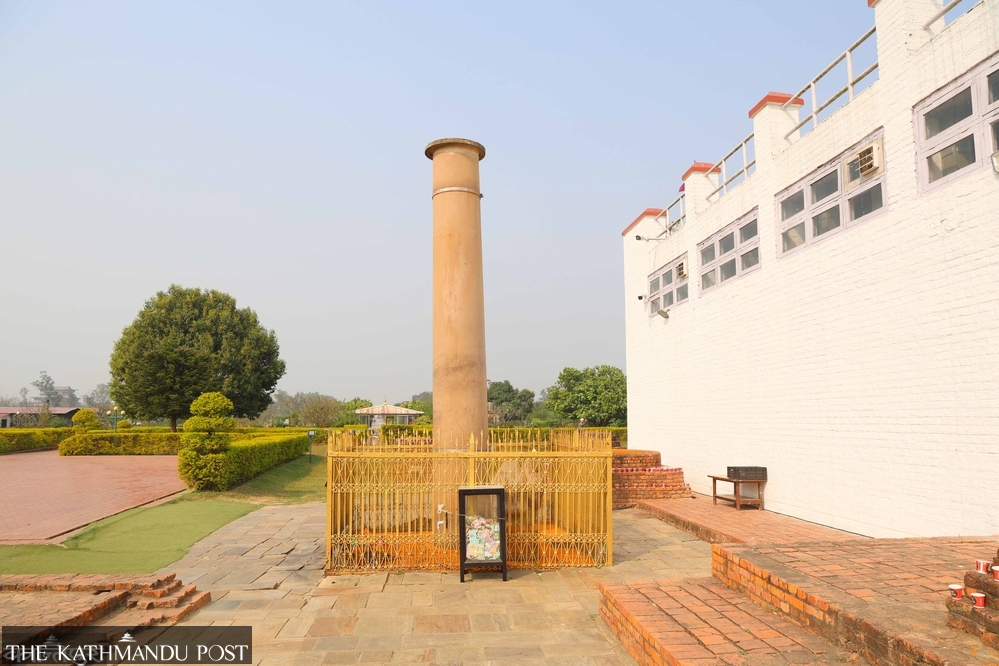
In Lumbini, the birthplace of Buddha, the downturn is equally evident. At Hokke Lumbini Hotel, a three-star property, bookings equivalent to 200 nights were cancelled in mid-March to mid-April alone, said operations manager Bhawishwor Adhikari.
“Bookings have almost stopped. Even during the peak season, the hotel is nearly empty,” he said.
At another Lumbini hotel, Lumbini Hotel Kasai, 500 out of 1,200 foreign bookings made for mid-March to mid-April were cancelled, according to manager Prajjwal Karki.
“Foreigners usually arrive around Buddha Jayanti, but as West Asian tensions escalated, their numbers have dropped sharply,” he said, warning that difficult days for tourism may be beginning.
In Chitwan, tour operators report that even confirmed bookings are failing to materialise. Manesh Limbu, president of the Meghauli Ghatgai Nature Guide Association, said groups from Germany and Spain cancelled at the last moment.
“They were supposed to arrive on March 21 but cancelled at the last stage,” he said. “Foreign tourist arrivals remain low even in peak season.”
Around 20 to 25 percent of bookings have been cancelled this season in Sauraha. Ramesh Kumar Paudel/TKP
Om Pandey, president of the Regional Hotel Association Sauraha, said 20 to 25 percent of bookings have been cancelled this season. Even among those who did not formally cancel, many did not show up.
“Groups that booked for 20 people often arrive with only 10,” he said.
Spring is the second busiest tourist season after autumn, with large numbers of international trekkers heading to the Annapurna region and Indian pilgrims visiting Muktinath. Tourists typically stay in Pokhara before and after trekking, while domestic travellers also fill hotels during school holidays.
Laxman Subedi, president of Hotel Association Pokhara, said occupancy now hovers around 60 percent, compared to up to 80 percent in normal years.
He said the West Asia conflict is the main driver behind declining arrivals, while fuel price increases have had a limited direct impact so far.
“If fuel shortages had occurred, the impact would have been severe,” he said. “Tourists travelling for leisure are generally willing to spend, so fuel price increases alone are not decisive.”
Travel costs from India remain relatively low, allowing Indian tourists to drive to Pokhara in private vehicles. Tour operators are able to offer competitive packages, helping divert some travellers who might otherwise have gone to destinations such as Dubai.
In Chitwan, tourism linked to wildlife safaris has also been affected. Hoteliners say foreign bookings have declined and interest from overseas visitors has weakened.
Nature guide Samjhana Tiwari said she has been busy guiding tourists in recent weeks, but most are domestic.
“About 80 percent of recent visitors were Nepali, with Indians and other foreign tourists making up roughly 10 percent each,” she said. “In previous years, domestic tourists accounted for around 60 percent.”
Conservationist and tourism entrepreneur Basu Dhungana said arrivals via Gulf routes have nearly stopped due to the conflict involving Iran, Israel and the US.
“Bookings began to decline after tensions escalated,” he said. “Domestic visitors have provided some relief.”
According to Chitwan National Park, 197,136 tourists visited the park between mid-July and mid-April of the current fiscal year. This includes 119,200 domestic visitors, 12,179 from SAARC countries and 65,757 other foreign tourists.
Lumbini has seen one of the sharpest declines, with up to 60 percent of foreign hotel bookings cancelled, said Lila Mani Sharma, president of the Lumbini Hotel Association.
“Tourists travelling via transit points in West Asia are unable to arrive due to flight disruptions and security concerns,” he said. “If the situation persists, the impact could resemble the Covid-19 period.”
Lumbini has seen one of the sharpest declines, with up to 60 percent of hotel bookings cancelled. Manoj Paudel/TKP
The wider Lumbini area, including Kapilvastu, Niglihawa, Gotihawa, Devdaha and Ramgram, has also grown quiet. The region hosts 82 hotels and restaurants.
Tourism officials said Nepal receives visitors from around 100 countries each year, and a prolonged global conflict could require a shift in promotion strategies.
In Bardiya, another key tourist destination, business owners say the downturn has been compounded by rising fuel prices, which have discouraged travel.
“Domestic tourism has declined due to higher costs, while foreign arrivals are only sporadic,” said Mohanlal Chaudhary, president of Hotel Association Nepal Bardiya chapter.
Safari costs have increased sharply, with a one-day jeep safari now costing around Rs18,500 for domestic tourists, up from Rs12,500 previously. Prices for foreigners are even higher.
Tourism entrepreneurs say spending by visitors has also declined.
“There is a shortage of high-spending quality tourists,” Chaudhary said.
According to Bardiya National Park, 13,047 domestic tourists, 819 from SAARC countries and 5,249 foreign tourists visited between mid-July and mid-April.
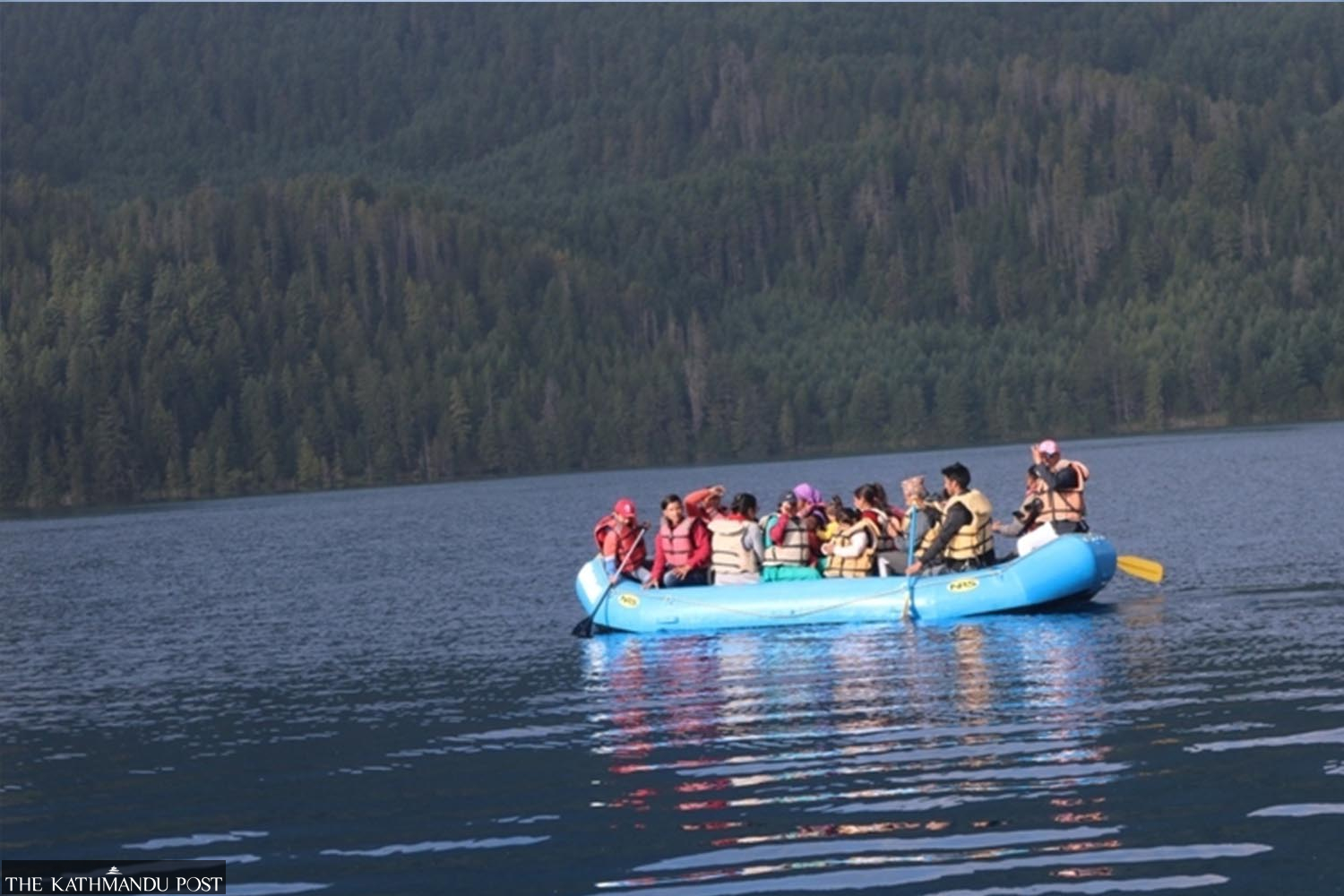
In Karnali, rising fuel prices have also reduced tourist movement. Roads that once saw steady traffic of travellers heading to Rara Lake via the Karnali Highway are now largely empty.
Hoteliers in Karnali say rising fuel prices have reduced tourist movement. DB Budha/TKP
In Jumla headquarters, Khalanga, businesses report a sharp drop in visitors over the past week. Local trader Raju Bohora said daily sales of organic products have fallen from around Rs100,000 to below Rs15,000.
“Tourists are reluctant to travel, citing rising costs,” he said. “With fewer visitors, business has slowed significantly.”
Flights transporting tourists have also shifted towards eastern routes, further reducing arrivals in Karnali.
Local officials said temples and markets that once saw hundreds of daily visitors are now nearly deserted. At the Chandannath temple, daily visitors have dropped from around 500 to fewer than 20, according to committee chairman Amar Bahadur Thapa.
Tourists visiting the region typically purchase local products such as apples, beans, buckwheat and traditional woollen goods, but demand has fallen sharply.
Across Nepal, industry stakeholders warn that unless geopolitical tensions ease and air connectivity stabilises, the tourism sector could face prolonged disruption reminiscent of the pandemic period.




 23.32°C Kathmandu
.jpg)
1.jpg)