Clean air framework unveiled to cut industrial pollution
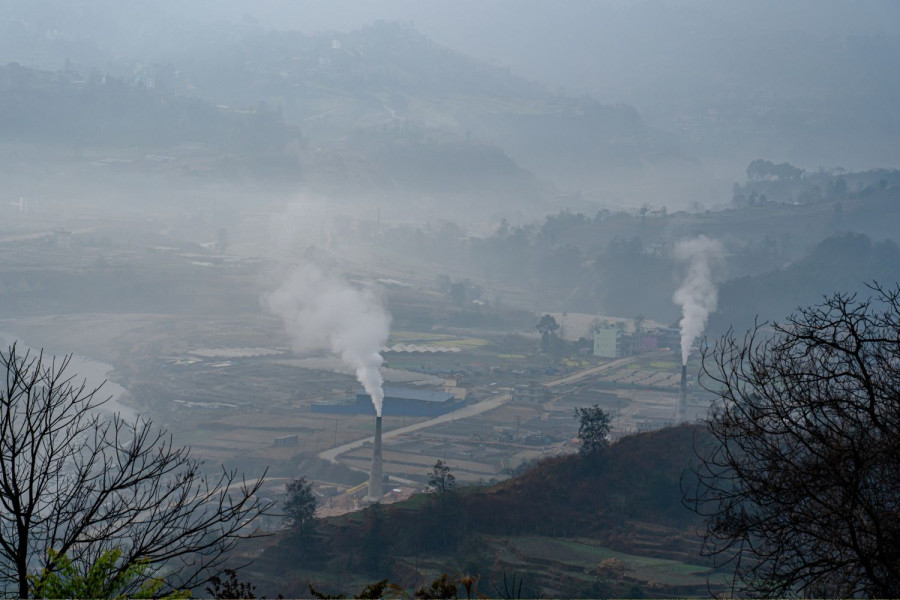
New draft plan targets fossil-fuel-dependent enterprises, but experts warn tax policies on clean energy remain contradictory. The initiative focuses on reducing PM2.5 emissions from key polluting sectors by promoting cleaner technologies and improving compliance with emission standards. Shutterstock
Nepal has unveiled a draft environmental and social management framework to implement the Nepal Clean Air for Prosperity project, a major initiative aimed at reducing industrial air pollution and strengthening air quality governance.
The blueprint was jointly released by the Forest and Environment Ministry and the Industry, Commerce and Supplies Ministry with support from the World Bank.
Nepal’s industrial sector remains heavily dependent on coal, diesel and furnace oil, releasing high levels of particulate matter, sulfur dioxide, nitrogen oxides, and greenhouse gases—including black carbon.
Through the new framework, the government aims to cut reliance on these polluting fuels and shift industries towards clean energy, primarily electricity from domestic renewables.
According to the draft released on November 24, the project seeks to accelerate and cost-effectively reduce emissions from major industrial and commercial sources that contribute to severe air pollution in Kathmandu Valley and the Tarai region.
It also aims to strengthen monitoring, enforcement, and air quality governance nationwide.
The initiative focuses on reducing PM2.5 emissions from key polluting sectors by promoting cleaner technologies and improving compliance with emission standards.
Small and medium enterprises operating fossil-fuel-based boilers and furnaces—particularly those in food and beverage, textile, chemical, pharmaceutical, steel, hospitality and healthcare—are the project’s primary targets.
Experts have welcomed the framework but caution that contradictory tax policies risk undermining its goals.
Former environment minister Ganesh Shah said the government must exempt clean energy systems from taxes if it is serious about transitioning industries away from fossil fuels.
“The government talks about clean energy, yet it imposes VAT and excise duty on goods like biomass pellets,” he said. “These taxes discourage industries from adopting cleaner options.”
Biomass pellets, used widely in many countries as a renewable fuel, offer long-term cost savings and support cleaner production. India, for example, mandates that certain coal-dependent industries blend 5 to 10 percent pellets with conventional fuels.
Shah said Nepal needs similar incentives and better coordination among ministries to implement its plans effectively. “The environment ministry promotes clean energy while the finance ministry taxes it. Without policy alignment, these projects remain only on paper,” he added.
Air pollution in Nepal regularly reaches hazardous levels during the dry season, driven by outdated technologies, traditional fuels, industrial emissions, and waste burning. Kathmandu Valley and cities in the Tarai are among the hardest hit, with cross-border pollution from northern India further exacerbating the crisis.
The draft framework notes that nine of the world’s most polluted cities are in South Asia, with Kathmandu frequently ranking among the worst. In 2019, Kathmandu’s average PM2.5 concentration reached 88 micrograms per cubic metre—far above the WHO safe limit of 5 micrograms.
Industrial boilers and furnaces remain key sources of harmful emissions. Of the 9,519 enterprises operating as of the fiscal year 2023–24, the majority rely on polluting biomass fuels, especially rice husk and firewood.
Data shows that 68 percent of firms use biomass, while only 0.38 percent use cleaner briquettes. Daily fuel use patterns reflect the same trend: rice husk and wood logs account for nearly 9,000 tonnes a day, compared to just 47 tonnes of briquettes.
The framework outlines support for factories unable to immediately switch to electric or pellet boilers due to cost or technical constraints.
These industries will receive assistance to install emission-control systems such as bag filters and wet scrubbers, along with improved chimney designs. Strengthening compliance with emission standards will require industries to internalise pollution-control costs, making cleaner technology more cost-competitive.
The project also recognises the broader sources of pollution, including vehicle emissions, brick kilns, construction dust, and garbage burning.
Industrial clusters in the Tarai—where cement, brick, and steel factories are located near urban areas—remain major contributors of CO2, CO, SOx, NOx, and PM2.5. Regional wind patterns also transport pollution from India into the southern plains and even the Pokhara Valley.
The Health Effects Institute estimates that 98 percent of Nepal’s population lives in areas where PM2.5 levels exceed even the least stringent WHO interim guidelines. Lumbini, Kathmandu Valley, and Tarai cities consistently record dangerous air quality levels.
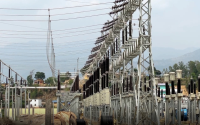
To support electrification, the project plans to upgrade feeder lines, transformers, and backup supplies in dense industrial zones in coordination with the Nepal Electricity Authority.
The framework also proposes allowing industries within Industrial Districts and Special Economic Zones to install rooftop solar systems to ensure energy security during outages.
As part of regulatory reforms, the industry ministry has recommended that environmental assessment requirements for industrial upgrades be based on risk profile rather than project cost thresholds. This shift aims to fast-track cleaner technology adoption.
The government is also considering a mix of incentives and penalties to reduce coal and husk use.
Under current provisions of the Industrial Enterprise Act, customs duty on machinery using cleaner fuels is set at one percent. The ministry plans to propose additional exemptions for equipment imported for energy conversion in the next fiscal year.
While the Clean Air for Prosperity project offers a comprehensive roadmap, experts say Nepal’s success will depend on coherent tax policies, reliable energy supply and strong institutional coordination—without which the country’s long-promised transition to cleaner industry may remain out of reach.
Krishana Prasain is a business reporter for The Kathmandu Post covering markets. Before joining The Kathmandu Post in 2018, she spent 3 years in New Business Age magazine covering business.




 24.65°C Kathmandu