Months-long mental health awareness drive starts today
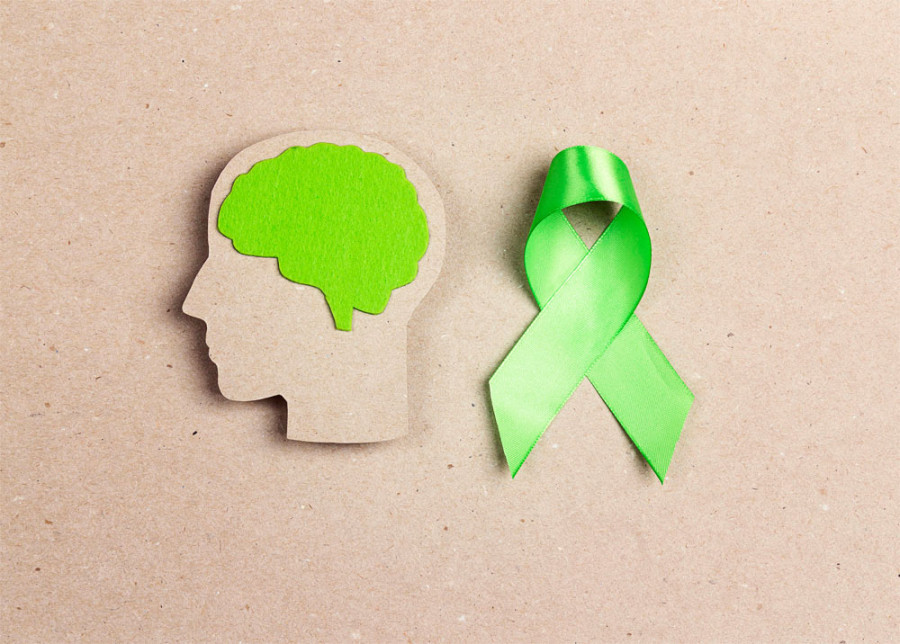
The campaign aims to address mental health issues among youths that, officials say, have flared up in the aftermath of the Gen Z uprising. Shutterstock
In a bid to address growing mental health problems, especially among youths, the Ministry of Health and Population is preparing to launch a three-month long awareness drive from Wednesday.
Officials say that the campaign was necessary to address the mental health issues that have spiked in the aftermath of the Gen-Z protest.
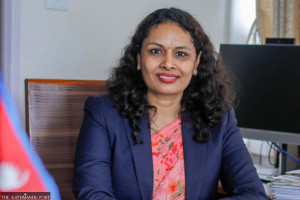
“Many Nepalis may have been feeling that there is no future in this country, and even those who are already settled worry that their children do not have a future here,” said Dr Radhika Thapaliya, director at the National Health Education Information and Communication Center under the Department of Health Services.
“During the campaign, we will tell people that they are not alone in their problems, and encourage them to speak openly about their worries, which can help them cope with the problems and reduce stress.”
The youth-led anti-corruption protests on September 8 and 9 caused unprecedented damage to public and private property in Nepal and forced out the KP Oli-led coalition government. Seventy-six people, mostly youths, were killed.
Nepal is among the countries with highest suicide rate.
The National Mental Health Survey Nepal-2020 shows that the prevalence of mental disorders among adolescents was 5.2 percent that year, and the neurotic and stress-related disorders were the most prevalent at 2.8 percent.
Likewise, the prevalence of current suicidal thoughts among adolescents was around four percent, while suicidal attempt in the same age group was 0.7 percent. The same report also shows that 0.6 percent of children and adolescents were found to have been suffering from depression.
The prevalence of suicidality, including current suicidal thoughts, lifetime suicidal attempts and future likelihood of suicidal thoughts, was found to be prevalent in the 7.2 percent population.
Experts say that mental health problems in children and adolescents could be several times more than what the survey portrays. They say that around 10 to 15 percent of the total children and adolescent population could have been suffering from various types of mental health issues, and due to methodological problems, the survey could not portray actual problems.
Multiple studies including a study carried out by the Nepal Health Research Council in the past shows that about 13 percent of Nepalis suffer from some form of mental disorder. This means around one in eight Nepalis have mental health issues.
Studies show the magnitude of suffering, the burden and costs for individuals, families and societies arising from mental health disorders are alarming in Nepal.
Nepal Police’s data shows that 7055 people have commited suicide in fiscal year 2081/082, which is 19 suicide cases everday. Police data shows that suicide cases have increased by 63 percent in the past one decade—4,332 suicides in the fiscal year 2071/072 and 7055 cases in the fiscal year 2081/082.
“Despite the problems, people generally do not tell about their problems openly due fear of stigmatisation and isolation from the society,” said Upendra Dhungana, senior public health administrator at the Center. “We will try to convince people that mental health problems are like any other health issues and anyone could suffer from these problems at any time.”
Officials say that during the campaign, health workers will work to make people aware about mental health problems, promote healthy coping skills and stress management practices and raise awareness about misconception and discrimination related to people suffering from mental health problems.
They will also mobilise community leaders, religious figures, teachers, health workers, community workers, female community health volunteers.
Mental health experts have been urging authorities concerned for long to work for disease prevention along with providing curative services to the patients.
“Despite the rise in mental health problems, our focus is only in the curative services,” said Dr Basudev Karki, a consultant psychiatrist. “The awareness campaign will help in identifying the problems in the initial stage, address the problems in the initial stage and prevent the problems from getting exacerbated.”
Experts say the youth-led protest of September was an outburst of frustration against the country’s politics and how it has been unable to address the longstanding socio-economic problems.
Nepal has committed to reducing one-third of premature mortality from non-communicable diseases through prevention, treatment and promotion of mental health and well-being to meet the UN-backed Sustainable Development Goals (SDGs).
Experts say the suicide rate is an indicator of premature mortality within the SDGs, which are a follow-up to the Millennium Development Goals (MDGs).
When the government committed to the SDGs in 2015, around 16 people took their own lives every 24 hours. The government had committed to reducing the suicide rate to 9.7 per 100,000 each year by 2022, but this number rose to 24 in 2023.
The government aims to reduce the suicide rate to 4.7 per 100,000 population by 2030 to meet the SDG targets, which experts say is impossible based on the ongoing trend of suicides.




 22.44°C Kathmandu