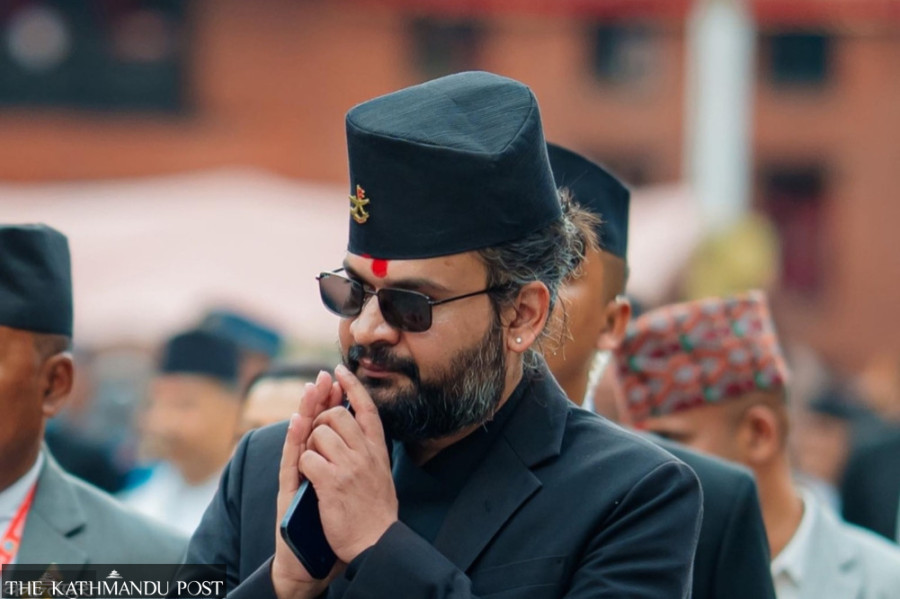
The Balendra Shah government’s first 100 days have been eventful. Shah came into office promising a clean break from the past. To change people’s perception of government, something that had steadily worsened under successive administrations, he vowed to quickly act against corrupt politicians and officials and speed up service delivery. Some signs of this urgency are already evident. After Shah entered office, of the 2.9 million backlog of driving licences, the Department of Transport Management printed around 2.4 million copies. Previous governments had trotted out long lists of excuses for why such quick printing of licence copies was not possible. People visiting government offices these days also note faster service-delivery, and how work gets done without the payment of any bribe. Hundred days on, the belief that this government can do the vital stuff in which many of its predecessors failed is still strong. This optimism is justified too as the March elections brought into office a new cohort of young and energetic lawmakers who didn’t feel weighed down by the kind of baggage that older leaders of older parties like the Nepali Congress and CPN-UML appeared to be saddled with.
This group of technocrats appears determined to push through their agenda of developmentalism—and the quicker it is done, the better. But in their haste, they also seem inclined to brush aside due process, which they see as a hurdle to meeting people’s desire for quick delivery. Over the past three months or so, there have been many instances of the government bulldozing due process, be it during the hasty arrest of opposition politicians in corruption-linked cases or the rushed eviction of squatters from riverside settlements in Kathmandu. Of late, the way the office of the prime minister has interfered with the CIAA’s investigation into the delay in the procurement of passport copies has also sent a troubling message. Expressing their dismay at the seemingly slow investigation, the PMO had summoned the officials of an autonomous constitutional body and questioned them for five long hours. PM Shah later said his government would not resist from questioning the same officials for five years if need be.
Instead of making a case for the indispensability of due process for a democratically elected government, it has taken the populist course of quick delivery at any cost. Again, to quote the prime minister, the government is on an expressway and it will not hit the brakes until it reaches its destination. Yet even on an expressway, it only takes one missed turn to meet with an accident. With its overwhelming mandate and five nearly guaranteed years in office, the government should be working to build robust systems and institutions that survive long after the tenure of the current prime minister ends. And there are no shortcuts to doing so. Even at its seemingly break-neck speed, a Kantipur investigation shows that only 38 of the 100 commitments the Shah government made when coming to office have been honoured. In other words, the rush does not seem to be helping anyone’s cause: not the government, not the people, and certainly not the democratic system whose fate is now in the hands of the ruling Rastriya Swatantra Party.




 18.34°C Kathmandu