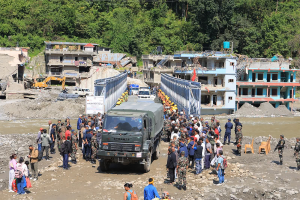
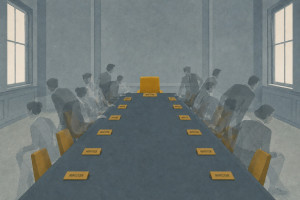
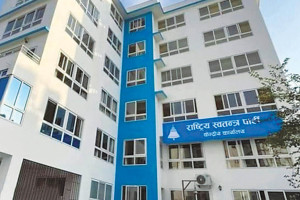
In a sweeping overhaul of Nepal’s public services, nearly 1,600 political appointments have been terminated. This follows President Ramchandra Paudel’s endorsement on Saturday of the “Ordinance on special provisions relating to the removal of public officials from office, 2026”. All appointments made prior to March 26 have been cancelled, disrupting the regular functioning of public administration, as well as educational and health services. This decision is in keeping with the ‘act first’ mindset of the Rastriya Swatantra Party government, which now runs the country with nearly two-thirds parliamentary majority. As soon as it came to power following the March 5 elections, the government had asked all political appointees to voluntarily resign. Just as the Nepali electorate opted for a sea-change in the country’s governance, the RSP reckoned the time was right for a revamp of government services. That might be the case. Yet removing so many public officials at one fell swoop without a clear plan to replace them risks making things worse than better for the very people these reforms aim to benefit.
Even at the earliest, it could take months to fill these vacant positions. The problem is that it is not just top officials of vital institutions who have been removed—even board members and other policy-level officials have been dismissed. Such an abrupt change will have a direct bearing on people’s day to day life. For instance, the government has revoked the appointments of the chair, member-secretary and nominated members of the National Examinations Board. Right now, if someone needs an education certificate, they won’t be able to do so as there will be no one to sign the document. The removal of top officials of the Civil Aviation Authority of Nepal (CAAN) means that there could be no one to authorise the urgent repairs of a Nepal Airlines aircraft on international duty that has been grounded since April 29—thousands of travellers could be affected. More importantly, the disruption in the management of vital healthcare institutions like the BP Koirala Institute of Health Sciences and the National Academy of Medical Sciences (a trauma centre) will have a direct bearing on the health and well-being of hundreds of thousands of Nepalis.
We wholeheartedly support the initiative to appoint competent leaders in vital state institutions that have long been hobbled by incompetent and politically inclined leaders. Yet the Shah government could have gone about the job in a more systematic way so as not to disrupt vital service delivery. How can so many people in decision-making positions be dismissed without having any plan for their replacement? Also, what is the guarantee that the new officials who will replace the old ones won’t also be political appointees close to the ruling parties? This is because fear of a public backlash will put pressure on the government to quickly make the replacements, and shortcuts could be taken. These changes enacted through an ordinance—when the parliament could easily have been summoned for the same purpose—make the government’s intent doubtful. People will now closely watch how—and how quickly—Prime Minister Balendra Shah fills these vacancies.




 14.69°C Kathmandu