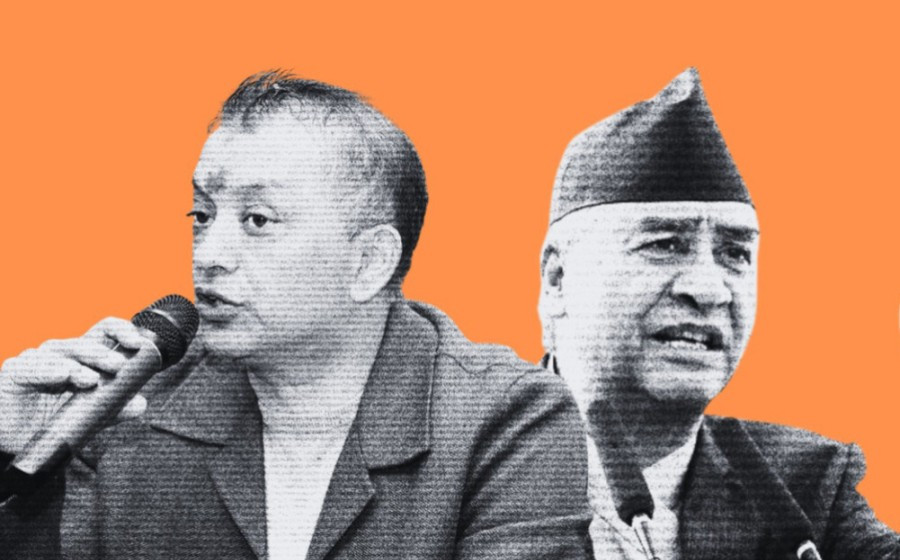
Following the Gen Z uprising last September, the Gagan Thapa-Biswha Prakash Sharma faction of the Nepali Congress courageously revolted (albeit a little too late, in the reckoning of some). It then successfully organised the Congress special general convention—just around a month before the March 5 polls. The convention unanimously picked Thapa as the new party president and the party went into the polls under his leadership. Yet the election results were nothing but disastrous for the Congress. The party shrunk from 89 seats that it had secured in the 2022 federal elections to 38 seats in the 275-member—in what was easily the party’s worst electoral performance ever. As Thapa had taken up party leadership on election-eve, he rightly accepted responsibility for the party’s drubbing and stepped down as its president. Yet the new central working committee elected by the special convention refused to accept his resignation, arguing that the electoral setback represented a collective failure of the ‘old’ Congress rather than of Thapa as its leader. In their view, the Congress brand had been greatly damaged under the previous party president Sher Bahadur Deuba—and there was only so much Thapa could do to resurrect the party’s image in the little time he had before the national elections.
Thapa is thus back at the helm of the Congress. The old establishment faction, previously under Deuba and now under Purna Bahadur Khadka, Deuba’s self-designated vice president, has been in denial from the start. Even after the epoch-defining uprising in September, it refused to believe that much had changed in the country. It wanted to give continuity to the leadership of Deuba, someone who had been repeatedly discredited as party leader and the leader of the country. It protested when the Election Commission recognised the Thapa-led Congress as the legitimate party. Now, even the Supreme Court has established the legitimacy of the special convention and the new leadership it elected. Yet the likes of Prakash Man Singh, Krishna Prasad Situala and Bimalendra Nidhi continue to stick to their guns and argue that it is better for the Congress to split rather than continue under Thapa’s leadership. In their calculation, if they split now, they will be in a better position to bargain when they eventually decide to rejoin the mother party.
Thankfully, the majority of this faction seems to be in favour of staying with the Congress through some kind of accommodation with party president Thapa. This is a more reasonable position. At a time when the Congress party is already at its historical nadir, it is fantastical for some of its old leaders to believe they will gain anything by breaking away. If they refuse to accept the new reality that prevails in both the party and the country at large, they deserve to be sidelined. Thapa, for his part, has said he is willing to do everything in his power to rebuild a strong, united party. The two sides would be wise to find a middle-way out. With the ruling RSP commanding a near two-thirds parliamentary majority, the country has never needed a party with strong democratic credentials in the opposition more than it does today.




 20.58°C Kathmandu