



 14.81°C Kathmandu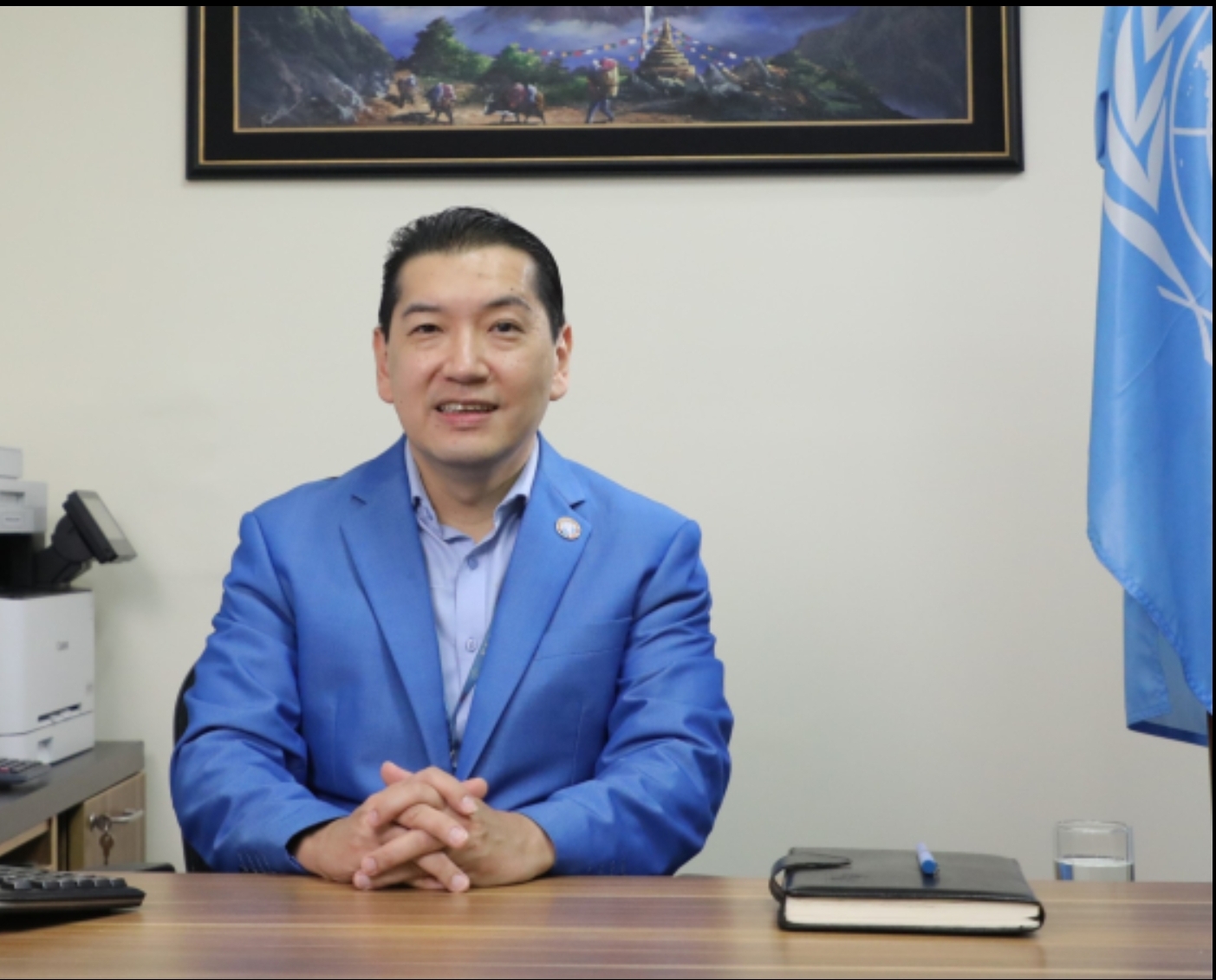

Sat, Oct 24, 2026
Columns
Empowering rural women
Rural women farmers must be recognised as rights-holders with equal claim to opportunities and resources.
bookmark
Ken Shimizu
Published at : March 7, 2026
Updated at : March 8, 2026 07:45
International Women’s Day, observed every year on March 8, is a powerful reminder that rights must be defended and actions must be accelerated. This year, as the world marks International Women’s Day 2026 under the theme ‘Rights. Justice. Action. For All Women and Girls’, the message resonates strongly with the International Year of the Woman Farmer and the International Year of Rangelands and Pastoralists—both global initiatives led by the Food and Agriculture Organisation of the United Nations (FAO). Together, these observances underscore a simple truth: Empowering women is fundamental to building resilient, inclusive and sustainable societies.
Nowhere is this reality more evident than in Nepal. Women represent 52 percent of Nepal’s population and account for nearly 70 percent of the agricultural labour force. Rural women carry a substantial share of the country’s food and livelihood responsibilities and keep local economies functioning. Nepal remains primarily agrarian. Despite ongoing efforts on economic diversification, agriculture continues to underpin rural livelihoods, and women are central to this sector.
The National Census 2021 shows that only 23.8 percent of households report land or housing (or both) in the name of a female household member, and only 11.8 percent report both land and housing in women’s names in Nepal. This highlights gaps where FAO, in collaboration with the Government of Nepal and other stakeholders, can contribute to affirming women’s rightful role in economic decision‑making.
This gap matters because it shapes everything: access to services, adoption of technology, the ability to invest, and resilience in the face of shocks. Climate change is deepening existing inequalities. More frequent climate shocks, including droughts, landslides, and floods, are increasing women’s workloads and exposing them to heightened vulnerability through lost harvests, reduced water availability, and food and nutrition stress.
Global research is unequivocal: When women farmers have equal access to land, technology, finance, and extension services, farm yields can increase by 20 to 30 percent, leading to reductions in hunger and malnutrition. In other words, closing the gender gap is a matter of justice and a strategic imperative for food security, climate resilience, and inclusive economic growth.
Building resilient agri-food systems in Nepal requires confronting these persistent gender inequalities. A 2025 study published in Frontiers in Sustainable Food Systems highlights that women farmers in Nepal face significantly reduced access to mechanisation, credit and formal agricultural advisory services. These disparities hinder productivity and restrict women’s participation in decision-making, limiting their ability to adopt innovative climate-smart practices.
Addressing these inequities is essential for food security, climate resilience and rural livelihoods. Gender-responsive strategies, including equitable access to resources, inclusive extension services, and formal recognition of women’s knowledge and decision-making roles, can strengthen the adaptive capacity of communities across Nepal. By empowering women farmers, the FAO contributes both to individual resilience and to the collective strength of agricultural systems, enabling communities to withstand climate-related shocks more effectively through innovation, collaboration and inclusion.
Across Nepal, rural women are at the forefront of diversifying crops, developing micro-enterprise models, building cooperatives, leading community groups, and driving sustainable innovation in fields, forests, markets and communities. Empowering women through access to knowledge, technology and inclusion in value chains improves household incomes, strengthens community resilience and nutrition, and demonstrates practical pathways for rural transformation.
FAO Nepal is committed to ensuring that this transformation is supported, sustained and scaled. Through gender-transformative approaches that challenge entrenched norms, power imbalances and unequal practices, FAO supports women to become leaders and change-makers within the food system. Across all three tiers of government, and in partnership with communities, cooperatives and the private sector, FAO is strengthening women’s access to skills, land, finance, climate-smart technologies and market opportunities, while engaging men and boys as allies in reshaping norms.
In Nepal, FAO’s flagship initiatives collectively advance women’s resilience, agency and economic opportunities through integrated, climate-responsive and market-oriented interventions. These programmes strengthen women’s access to climate-smart agriculture, sustainable forest and watershed management, diversified nutrition-sensitive production, and inclusive value chains. They promote women-led producer groups and cooperatives, improve financial literacy and access to services, support entrepreneurship in high-value commodities, and facilitate data-driven investment targeting in underserved regions.
By linking grassroots capacity building with policy support and market systems development, these initiatives enable rural women to withstand climate and economic shocks and to exercise decision-making power, increase incomes, and lead transformative change within their households and communities. By December 2025, FAO Nepal’s programmes had reached more than 800,000 people, including 430,000 women, through initiatives that collectively strengthen economic opportunities.
In the changing global context, the moment demands measurable, transformative action at scale. Priorities must include secure rights to land and assets, extension and climate information services that match women’s realities, expanded access to finance and insurance, labour-saving technologies, and nutrition-sensitive interventions with an equity lens that reaches the most marginalised.
As we observe International Women’s Day alongside the International Year of the Woman Farmer and the International Year of Rangelands and Pastoralists, the world must capture this moment to shift from commitments to measurable, transformative action. Rural women farmers in Nepal and beyond can no longer remain invisible within the systems they sustain. They must be recognised as innovators, leaders, and rights-holders with equal claim to opportunities and resources.
At FAO, our commitment is clear: To accelerate progress, scale up proven solutions, translate policy intent into action, and work with the Government of Nepal, development partners, rural communities, and stakeholders to ensure that women farmers are fully recognised, equitably resourced, and meaningfully represented. Empowering rural women is key to Nepal’s development and essential to building a sustainable and food-secure future for all.
Ken Shimizu
Shimizu is the FAO Country Representative for Bhutan and Nepal.


Most Read from Columns


Editor's Picks





E-PAPER | October 24, 2026

×